Tannuk, Memorial Ensign leads a focused Gruul landfall strategy built to turn routine land development into repeatable table-wide damage and card advantage. Tannuk deals 1 damage to each opponent whenever a land enters under your control, then draws a card when that ability resolves for the second time in a turn, making additional land drops, fetch lands, and land recursion central to the deck's engine.
Rather than relying only on conventional ramp, the list treats lands as an active resource. Lands are played, sacrificed, recovered, and replayed to repeatedly trigger Tannuk alongside a dense collection of landfall payoffs. The resulting play pattern combines steady resource growth with token production, direct damage, and substantial late-game inevitability.
Deck Overview
This build operates as a Gruul Landfall and Lands-Recursion engine, with Tannuk functioning as both a damage source and a reliable source of incremental card advantage. Dryad of the Ilysian Grove, Mina and Denn, Wildborn, Explore, Summer Bloom, Courser of Kruphix, and Prismatic Undercurrents increase the number of lands the deck can deploy, allowing Tannuk's second landfall trigger to become a routine part of each turn.
The deck then converts those land entries into multiple forms of value. Lotus Cobra, Tireless Provisioner, Tireless Tracker, Valakut Exploration, Seer's Sundial, Scute Swarm, Rampaging Baloths, Avenger of Zendikar, Omnath, Locus of Rage, and Sapling Nursery ensure that additional lands translate into mana, cards, creatures, or damage rather than simply advancing the mana base.
A secondary lands-from-the-graveyard package gives the strategy additional depth. Life from the Loam, Conduit of Worlds, Aftermath Analyst, Lumra, Bellow of the Woods, Mole Man, Moloid Master, Eternal Witness, Timeless Witness, and Will of the Sultai allow sacrificed and milled lands to remain productive resources throughout longer games.
Key Strategic Elements
Additional Land Drops and Landfall
Tannuk is at his most efficient when the deck can consistently produce at least two land entries each turn. Dryad of the Ilysian Grove, Mina and Denn, Wildborn, Explore, Summer Bloom, and Prismatic Undercurrents provide additional land plays, while Fabled Passage, Evolving Wilds, Scalding Tarn, Harrow, Crop Rotation, and Lotus Field create multiple land movements from individual cards.
This structure allows the deck to repeatedly access Tannuk's built-in draw trigger while simultaneously advancing every other landfall permanent on the battlefield.
Land Sacrifice and Recursion
The graveyard functions as an extension of the hand rather than a final destination. Life from the Loam repeatedly recovers lands, while Conduit of Worlds and Mole Man, Moloid Master allow them to be played directly from the graveyard. Aftermath Analyst, Lumra, Bellow of the Woods, and Will of the Sultai provide larger-scale recovery effects capable of returning multiple lands at once.
Cards such as Zuran Orb, Harrow, Crop Rotation, Lotus Field, Nahiri's Lithoforming, Fabled Passage, and Evolving Wilds deliberately move lands to the graveyard, where the recursion package can convert them into additional landfall triggers later.
Landfall Payoffs and Token Production
The list contains multiple threats that scale rapidly with repeated land entries. Scute Swarm can develop an extensive creature presence, while Rampaging Baloths and Sapling Nursery convert landfall into substantial bodies. Avenger of Zendikar provides both a large token base and additional scaling from subsequent land drops.
Omnath, Locus of Rage adds another major payoff by producing Elementals and turning their eventual deaths into additional damage. These cards ensure the deck can transition naturally from resource development into a dominant battlefield without abandoning its primary game plan.
Card Advantage and Damage Conversion
Tannuk already provides card selection through repeated landfall, but the deck compounds that advantage with Tireless Tracker, Valakut Exploration, Courser of Kruphix, Seer's Sundial, and Abundance.
Keen Sense and Snake Umbra are particularly effective when placed on Tannuk. Because Tannuk deals damage directly to opponents through landfall, those effects can convert his repeated damage triggers into additional cards.
The damage package also extends beyond the commander. Spitfire Lagac and Tunneling Geopede provide additional landfall-based pressure, while Torbran, Thane of Red Fell substantially increases the damage produced by red sources such as Tannuk.
Interaction and Resilience
The deck includes a broad interaction suite without compromising its primary engine. Beast Within, Chaos Warp, Decimate, and Blasphemous Act answer problematic permanents and crowded boards, while Pyroblast, Red Elemental Blast, Deflecting Swat, and Veil of Summer provide efficient stack interaction.
Heroic Intervention protects established boards, and Hexing Squelcher helps insulate the deck's spells and creatures from opposing countermagic and targeted interaction. Endurance supplies additional graveyard control while remaining a useful creature within the deck's green framework.
Closing the Game
Tannuk allows the deck to apply pressure without entering combat, and repeated landfall triggers gradually reduce opposing life totals throughout normal development. Torbran, Thane of Red Fell can accelerate this clock considerably when paired with Tannuk or the deck's other red damage sources.
When direct damage is not enough, Avenger of Zendikar, Rampaging Baloths, Scute Swarm, Sapling Nursery, Titania, Protector of Argoth, and Omnath, Locus of Rage create enough battlefield presence to close through combat. Finale of Devastation functions as both a creature tutor and a late-game finishing mechanism once sufficient mana is available.
Build Philosophy
This Tannuk build is constructed around making nearly every stage of land development strategically relevant. Ramp spells do more than accelerate mana, fetch lands generate additional triggers, sacrificed lands become recursion targets, and late-game land recovery can rebuild both resources and battlefield pressure simultaneously.
The deck maintains a deliberate balance between extra land effects, recursion, payoff permanents, interaction, and protection. Its Gruul mana base combines a substantial basic-land foundation with carefully selected utility and fixing lands, while conventional ramp and mana acceleration support consistent early sequencing.
Every major package contributes directly to the same underlying engine: put lands onto the battlefield repeatedly, extract value from each entry, and recycle those lands when possible.
Technical Details
100-card singleton Commander deck, legal for EDH
All cards in Near Mint to Lightly Played condition
Professionally sleeved and ready to play
Built for consistent performance and strategic depth
Ideal For Players Who:
Enjoy landfall strategies built around repeated land drops, sacrifice, and graveyard recursion
Prefer Gruul decks that generate value through both direct damage and scalable creature production
Appreciate cohesive Commander builds with layered engines and multiple paths to closing a game
Tannuk, Memorial Ensign leads a focused Gruul landfall strategy built to turn routine land development into repeatable table-wide damage and card advantage. Tannuk deals 1 damage to each opponent whenever a land enters under your control, then draws a card when that ability resolves for the second time in a turn, making additional land drops, fetch lands, and land recursion central to the deck's engine.
Rather than relying only on conventional ramp, the list treats lands as an active resource. Lands are played, sacrificed, recovered, and replayed to repeatedly trigger Tannuk alongside a dense collection of landfall payoffs. The resulting play pattern combines steady resource growth with token production, direct damage, and substantial late-game inevitability.
Deck Overview
This build operates as a Gruul Landfall and Lands-Recursion engine, with Tannuk functioning as both a damage source and a reliable source of incremental card advantage. Dryad of the Ilysian Grove, Mina and Denn, Wildborn, Explore, Summer Bloom, Courser of Kruphix, and Prismatic Undercurrents increase the number of lands the deck can deploy, allowing Tannuk's second landfall trigger to become a routine part of each turn.
The deck then converts those land entries into multiple forms of value. Lotus Cobra, Tireless Provisioner, Tireless Tracker, Valakut Exploration, Seer's Sundial, Scute Swarm, Rampaging Baloths, Avenger of Zendikar, Omnath, Locus of Rage, and Sapling Nursery ensure that additional lands translate into mana, cards, creatures, or damage rather than simply advancing the mana base.
A secondary lands-from-the-graveyard package gives the strategy additional depth. Life from the Loam, Conduit of Worlds, Aftermath Analyst, Lumra, Bellow of the Woods, Mole Man, Moloid Master, Eternal Witness, Timeless Witness, and Will of the Sultai allow sacrificed and milled lands to remain productive resources throughout longer games.
Key Strategic Elements
Additional Land Drops and Landfall
Tannuk is at his most efficient when the deck can consistently produce at least two land entries each turn. Dryad of the Ilysian Grove, Mina and Denn, Wildborn, Explore, Summer Bloom, and Prismatic Undercurrents provide additional land plays, while Fabled Passage, Evolving Wilds, Scalding Tarn, Harrow, Crop Rotation, and Lotus Field create multiple land movements from individual cards.
This structure allows the deck to repeatedly access Tannuk's built-in draw trigger while simultaneously advancing every other landfall permanent on the battlefield.
Land Sacrifice and Recursion
The graveyard functions as an extension of the hand rather than a final destination. Life from the Loam repeatedly recovers lands, while Conduit of Worlds and Mole Man, Moloid Master allow them to be played directly from the graveyard. Aftermath Analyst, Lumra, Bellow of the Woods, and Will of the Sultai provide larger-scale recovery effects capable of returning multiple lands at once.
Cards such as Zuran Orb, Harrow, Crop Rotation, Lotus Field, Nahiri's Lithoforming, Fabled Passage, and Evolving Wilds deliberately move lands to the graveyard, where the recursion package can convert them into additional landfall triggers later.
Landfall Payoffs and Token Production
The list contains multiple threats that scale rapidly with repeated land entries. Scute Swarm can develop an extensive creature presence, while Rampaging Baloths and Sapling Nursery convert landfall into substantial bodies. Avenger of Zendikar provides both a large token base and additional scaling from subsequent land drops.
Omnath, Locus of Rage adds another major payoff by producing Elementals and turning their eventual deaths into additional damage. These cards ensure the deck can transition naturally from resource development into a dominant battlefield without abandoning its primary game plan.
Card Advantage and Damage Conversion
Tannuk already provides card selection through repeated landfall, but the deck compounds that advantage with Tireless Tracker, Valakut Exploration, Courser of Kruphix, Seer's Sundial, and Abundance.
Keen Sense and Snake Umbra are particularly effective when placed on Tannuk. Because Tannuk deals damage directly to opponents through landfall, those effects can convert his repeated damage triggers into additional cards.
The damage package also extends beyond the commander. Spitfire Lagac and Tunneling Geopede provide additional landfall-based pressure, while Torbran, Thane of Red Fell substantially increases the damage produced by red sources such as Tannuk.
Interaction and Resilience
The deck includes a broad interaction suite without compromising its primary engine. Beast Within, Chaos Warp, Decimate, and Blasphemous Act answer problematic permanents and crowded boards, while Pyroblast, Red Elemental Blast, Deflecting Swat, and Veil of Summer provide efficient stack interaction.
Heroic Intervention protects established boards, and Hexing Squelcher helps insulate the deck's spells and creatures from opposing countermagic and targeted interaction. Endurance supplies additional graveyard control while remaining a useful creature within the deck's green framework.
Closing the Game
Tannuk allows the deck to apply pressure without entering combat, and repeated landfall triggers gradually reduce opposing life totals throughout normal development. Torbran, Thane of Red Fell can accelerate this clock considerably when paired with Tannuk or the deck's other red damage sources.
When direct damage is not enough, Avenger of Zendikar, Rampaging Baloths, Scute Swarm, Sapling Nursery, Titania, Protector of Argoth, and Omnath, Locus of Rage create enough battlefield presence to close through combat. Finale of Devastation functions as both a creature tutor and a late-game finishing mechanism once sufficient mana is available.
Build Philosophy
This Tannuk build is constructed around making nearly every stage of land development strategically relevant. Ramp spells do more than accelerate mana, fetch lands generate additional triggers, sacrificed lands become recursion targets, and late-game land recovery can rebuild both resources and battlefield pressure simultaneously.
The deck maintains a deliberate balance between extra land effects, recursion, payoff permanents, interaction, and protection. Its Gruul mana base combines a substantial basic-land foundation with carefully selected utility and fixing lands, while conventional ramp and mana acceleration support consistent early sequencing.
Every major package contributes directly to the same underlying engine: put lands onto the battlefield repeatedly, extract value from each entry, and recycle those lands when possible.
Technical Details
100-card singleton Commander deck, legal for EDH
All cards in Near Mint to Lightly Played condition
Professionally sleeved and ready to play
Built for consistent performance and strategic depth
Ideal For Players Who:
Enjoy landfall strategies built around repeated land drops, sacrifice, and graveyard recursion
Prefer Gruul decks that generate value through both direct damage and scalable creature production
Appreciate cohesive Commander builds with layered engines and multiple paths to closing a game


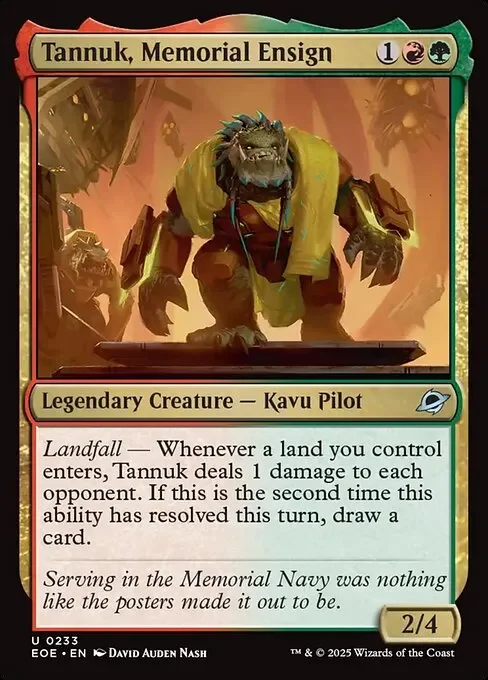 Image 1 of 7
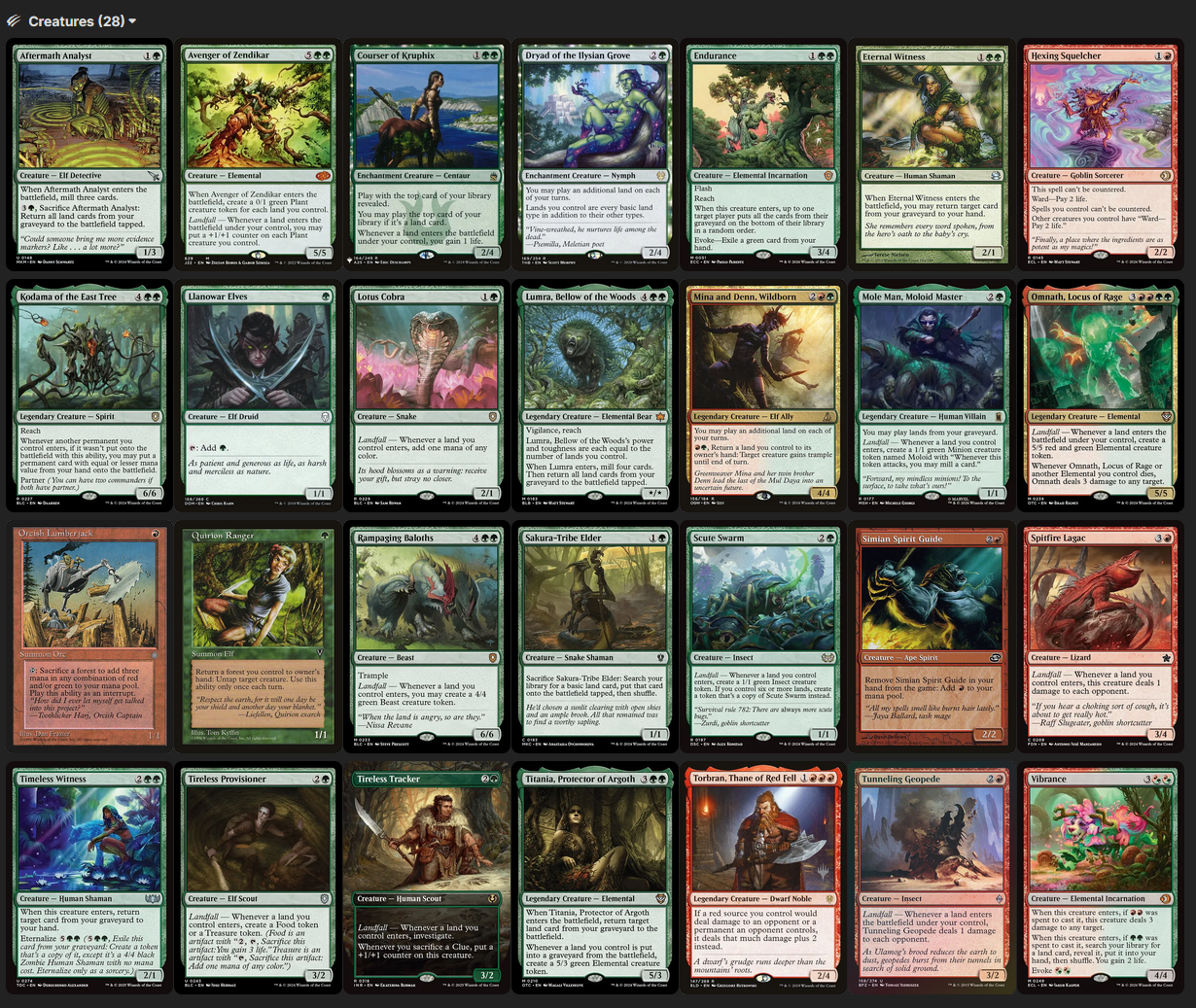 Image 2 of 7
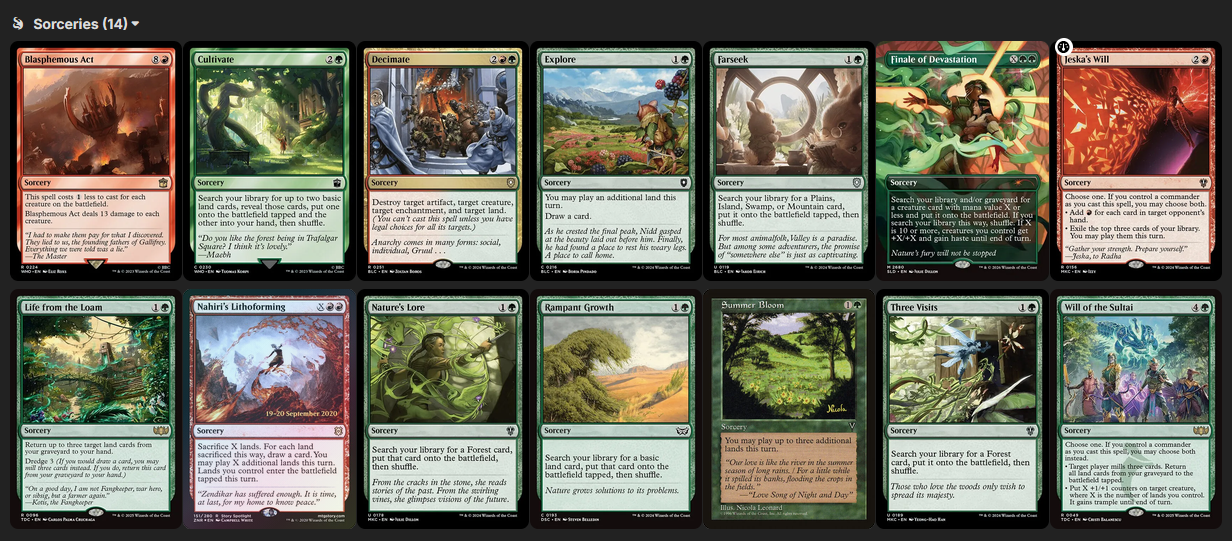 Image 3 of 7
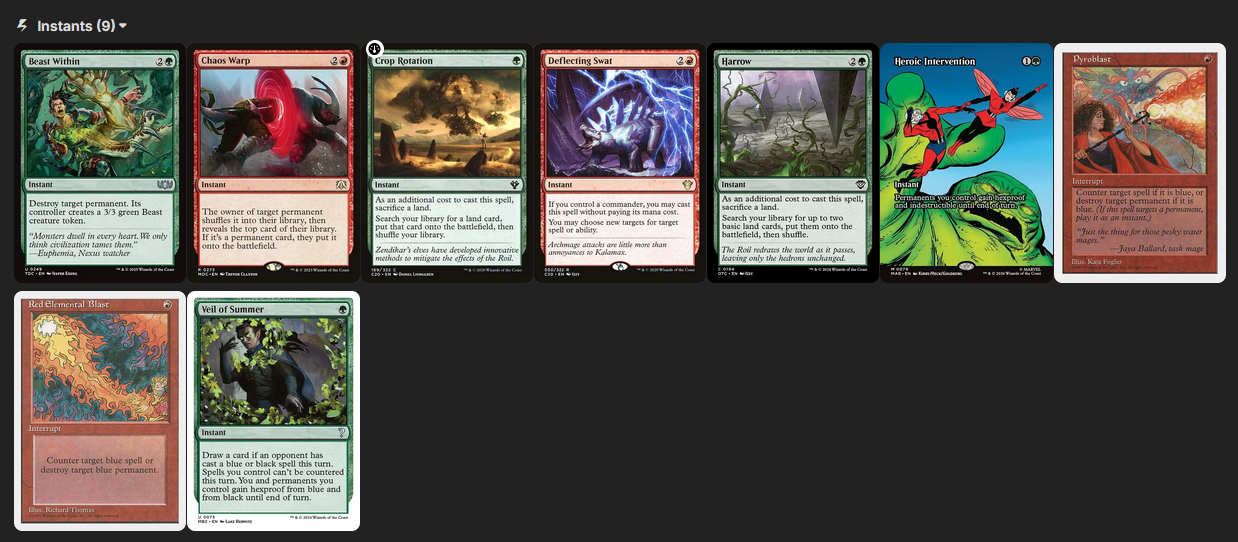 Image 4 of 7
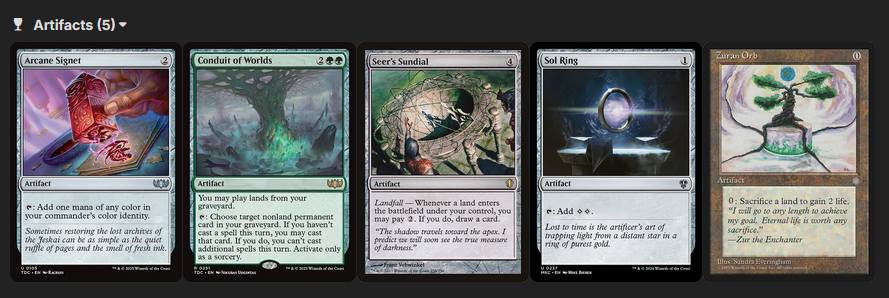 Image 5 of 7
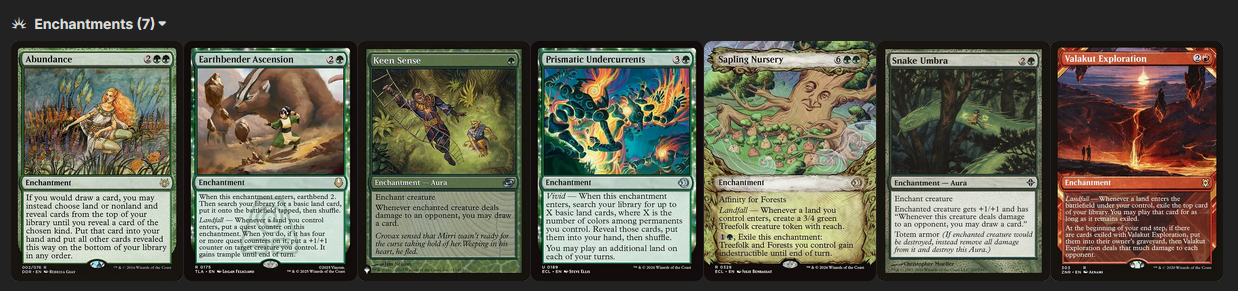 Image 6 of 7
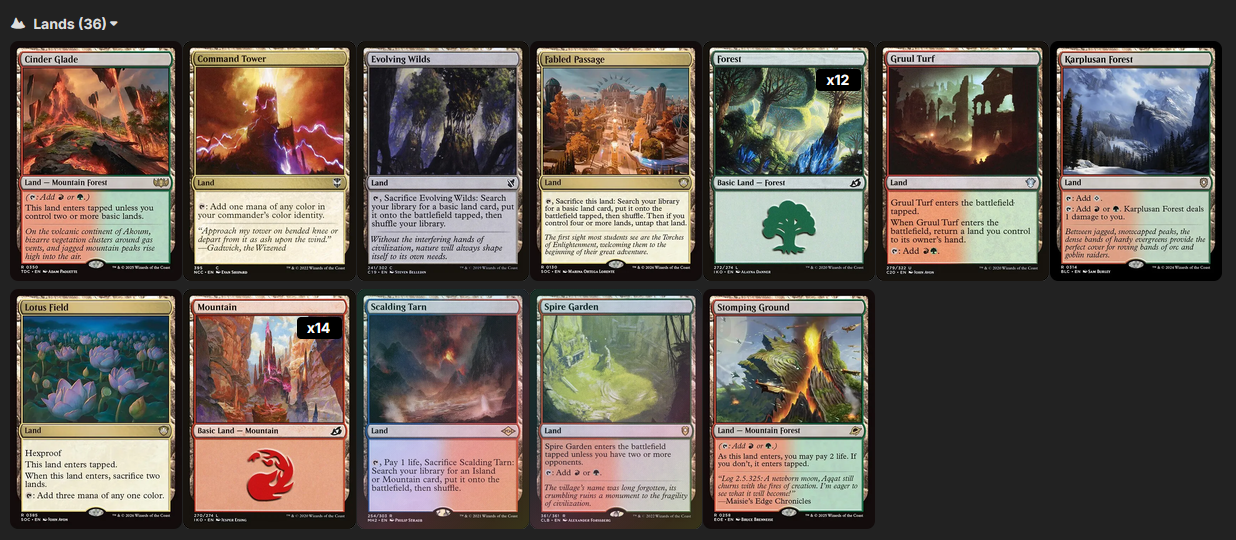 Image 7 of 7