Muldrotha, the Gravetide leads a permanent-focused Sultai graveyard engine built to turn self-mill, sacrifice effects, and routine interaction into repeatable value. Rather than treating the graveyard as simple recursion, the deck uses it as an extension of the hand, repeatedly converting creatures, lands, artifacts, enchantments, and planeswalkers into reusable resources.
The build combines self-mill and land recursion with a dense package of permanents designed to generate value both when they enter the battlefield and when they are sacrificed. This gives Muldrotha a flexible, attrition-oriented play pattern capable of developing its own board while steadily exhausting opposing resources.
Deck Overview
The deck centers on filling the graveyard efficiently and then extracting value from cards that remain useful after being milled or sacrificed. Hermit Druid, Stitcher's Supplier, Satyr Wayfinder, Hedron Crab, Perpetual Timepiece, Teval, the Balanced Scale, and Deadbridge Chant steadily stock the graveyard, while Buried Alive and Gifts Ungiven provide more deliberate setup.
Once Muldrotha is established, disposable permanents become recurring tools. Sakura-Tribe Elder, Haywire Mite, Insidious Fungus, Seal of Doom, Seal of Primordium, Seal of Removal, Plaguecrafter, Shriekmaw, and Reclamation Sage can repeatedly provide ramp, removal, or disruption while supplying additional permanent types to replay each turn.
The result is a graveyard deck that can shift naturally between development, control, and long-game inevitability rather than relying on a single recursion line.
Key Strategic Elements
Self-Mill and Graveyard Development
A broad self-mill package ensures the deck can establish its primary resource quickly. Stitcher's Supplier, Satyr Wayfinder, Hermit Druid, Hedron Crab, Skull Prophet, Teval, the Balanced Scale, Tamiyo, Collector of Tales, and Perpetual Timepiece move cards into the graveyard while continuing to advance the board.
Buried Alive provides targeted setup for creature recursion, while Deadbridge Chant combines additional milling with ongoing recovery. These effects make the graveyard deep enough that Muldrotha consistently has meaningful options across several permanent types.
Land Recursion and Mana Development
The land package functions as part of the graveyard engine rather than merely supporting it. Fabled Passage, Lotus Field, Cephalid Coliseum, Crop Rotation, Springbloom Druid, Sakura-Tribe Elder, and Aftermath Analyst create opportunities for lands to enter or leave the graveyard throughout the game.
The Gitrog Monster rewards lands moving into the graveyard, while Tatyova, Benthic Druid converts recurring land drops into cards and life. Hedge Shredder further connects self-mill to mana development by turning milled lands into battlefield resources.
Traditional acceleration from Sol Ring, Arcane Signet, Fellwar Stone, Talisman of Dominance, Wild Growth, Farseek, Three Visits, and Llanowar Elves helps Muldrotha enter play early enough for the recursion engine to matter.
Repeatable Interaction and Board Control
Muldrotha is especially effective with permanents that sacrifice themselves for useful effects. Seal of Doom, Seal of Primordium, Seal of Removal, Haywire Mite, Insidious Fungus, Reclamation Sage, Shriekmaw, Accursed Marauder, and Plaguecrafter provide interaction that can later be replayed from the graveyard.
That recursive removal package is backed by efficient standalone answers including Assassin's Trophy, Counterspell, Swan Song, and Culling Ritual. Ashiok, Dream Render, Dauthi Voidwalker, and Bojuka Bog add graveyard disruption against opposing recursion strategies while limiting opposing resource development.
Recursion, Card Advantage, and Resilience
The deck contains several value engines that specifically reward operating from the graveyard. River Kelpie and Secrets of the Dead generate additional cards as spells and permanents are played from the graveyard, allowing Muldrotha's normal game plan to replenish the hand rather than simply exchange one resource for another.
Eternal Witness, Reanimate, Animate Dead, Victimize, Tamiyo, Collector of Tales, and Deadbridge Chant provide recursion independent of the commander, preventing the deck from becoming entirely reliant on keeping Muldrotha in play. Lightning Greaves protects the commander once deployed, while Command Beacon provides additional resilience when repeated removal makes commander tax restrictive.
Graveyard Payoffs and Closing the Game
The same graveyard activity that fuels the value engine also supplies the deck's finishing pressure. Syr Konrad, the Grim converts creatures moving through graveyards into direct damage, while Sidisi, Brood Tyrant and Teval, the Balanced Scale turn graveyard development into additional battlefield presence.
Lord of Extinction can become an exceptionally large threat as graveyards accumulate cards, and Uro, Titan of Nature's Wrath supplies recurring pressure, life, cards, and additional land development.
When the deck has established sufficient resources, Finale of Devastation converts accumulated mana and board presence into a decisive finishing sequence, allowing the deck to transition cleanly from incremental advantage into a game-ending attack.
Build Philosophy
This Muldrotha build is constructed around permanent density, ensuring that the commander's ability consistently has meaningful targets across multiple card types. Creatures and enchantments have been selected not only for their immediate effects but also for their ability to be sacrificed, milled, recast, or otherwise reused as part of a larger resource loop.
The mana base combines 36 lands with artifact, creature, enchantment, and spell-based acceleration, supporting smooth access to all three colors while preserving a high concentration of graveyard-relevant cards. Land-sacrifice effects and graveyard recursion are intentionally integrated into the mana package so that normal development continues to contribute to the deck's primary strategy.
Every major function has overlapping support: self-mill feeds recursion, recursion fuels card advantage, sacrificed permanents provide interaction, and land movement generates additional value. The result is a cohesive Sultai engine designed for sustained performance through longer multiplayer games.
Technical Details
100-card singleton Commander deck, legal for EDH
All cards in Near Mint to Lightly Played condition
Professionally sleeved and ready to play
Built for consistent performance and strategic depth
Ideal For Players Who:
Enjoy graveyard strategies built around recursion, self-mill, and resource management
Prefer interactive Commander decks that generate value through reusable permanents
Appreciate layered Sultai engines with multiple overlapping paths to card advantage and board control
Muldrotha, the Gravetide leads a permanent-focused Sultai graveyard engine built to turn self-mill, sacrifice effects, and routine interaction into repeatable value. Rather than treating the graveyard as simple recursion, the deck uses it as an extension of the hand, repeatedly converting creatures, lands, artifacts, enchantments, and planeswalkers into reusable resources.
The build combines self-mill and land recursion with a dense package of permanents designed to generate value both when they enter the battlefield and when they are sacrificed. This gives Muldrotha a flexible, attrition-oriented play pattern capable of developing its own board while steadily exhausting opposing resources.
Deck Overview
The deck centers on filling the graveyard efficiently and then extracting value from cards that remain useful after being milled or sacrificed. Hermit Druid, Stitcher's Supplier, Satyr Wayfinder, Hedron Crab, Perpetual Timepiece, Teval, the Balanced Scale, and Deadbridge Chant steadily stock the graveyard, while Buried Alive and Gifts Ungiven provide more deliberate setup.
Once Muldrotha is established, disposable permanents become recurring tools. Sakura-Tribe Elder, Haywire Mite, Insidious Fungus, Seal of Doom, Seal of Primordium, Seal of Removal, Plaguecrafter, Shriekmaw, and Reclamation Sage can repeatedly provide ramp, removal, or disruption while supplying additional permanent types to replay each turn.
The result is a graveyard deck that can shift naturally between development, control, and long-game inevitability rather than relying on a single recursion line.
Key Strategic Elements
Self-Mill and Graveyard Development
A broad self-mill package ensures the deck can establish its primary resource quickly. Stitcher's Supplier, Satyr Wayfinder, Hermit Druid, Hedron Crab, Skull Prophet, Teval, the Balanced Scale, Tamiyo, Collector of Tales, and Perpetual Timepiece move cards into the graveyard while continuing to advance the board.
Buried Alive provides targeted setup for creature recursion, while Deadbridge Chant combines additional milling with ongoing recovery. These effects make the graveyard deep enough that Muldrotha consistently has meaningful options across several permanent types.
Land Recursion and Mana Development
The land package functions as part of the graveyard engine rather than merely supporting it. Fabled Passage, Lotus Field, Cephalid Coliseum, Crop Rotation, Springbloom Druid, Sakura-Tribe Elder, and Aftermath Analyst create opportunities for lands to enter or leave the graveyard throughout the game.
The Gitrog Monster rewards lands moving into the graveyard, while Tatyova, Benthic Druid converts recurring land drops into cards and life. Hedge Shredder further connects self-mill to mana development by turning milled lands into battlefield resources.
Traditional acceleration from Sol Ring, Arcane Signet, Fellwar Stone, Talisman of Dominance, Wild Growth, Farseek, Three Visits, and Llanowar Elves helps Muldrotha enter play early enough for the recursion engine to matter.
Repeatable Interaction and Board Control
Muldrotha is especially effective with permanents that sacrifice themselves for useful effects. Seal of Doom, Seal of Primordium, Seal of Removal, Haywire Mite, Insidious Fungus, Reclamation Sage, Shriekmaw, Accursed Marauder, and Plaguecrafter provide interaction that can later be replayed from the graveyard.
That recursive removal package is backed by efficient standalone answers including Assassin's Trophy, Counterspell, Swan Song, and Culling Ritual. Ashiok, Dream Render, Dauthi Voidwalker, and Bojuka Bog add graveyard disruption against opposing recursion strategies while limiting opposing resource development.
Recursion, Card Advantage, and Resilience
The deck contains several value engines that specifically reward operating from the graveyard. River Kelpie and Secrets of the Dead generate additional cards as spells and permanents are played from the graveyard, allowing Muldrotha's normal game plan to replenish the hand rather than simply exchange one resource for another.
Eternal Witness, Reanimate, Animate Dead, Victimize, Tamiyo, Collector of Tales, and Deadbridge Chant provide recursion independent of the commander, preventing the deck from becoming entirely reliant on keeping Muldrotha in play. Lightning Greaves protects the commander once deployed, while Command Beacon provides additional resilience when repeated removal makes commander tax restrictive.
Graveyard Payoffs and Closing the Game
The same graveyard activity that fuels the value engine also supplies the deck's finishing pressure. Syr Konrad, the Grim converts creatures moving through graveyards into direct damage, while Sidisi, Brood Tyrant and Teval, the Balanced Scale turn graveyard development into additional battlefield presence.
Lord of Extinction can become an exceptionally large threat as graveyards accumulate cards, and Uro, Titan of Nature's Wrath supplies recurring pressure, life, cards, and additional land development.
When the deck has established sufficient resources, Finale of Devastation converts accumulated mana and board presence into a decisive finishing sequence, allowing the deck to transition cleanly from incremental advantage into a game-ending attack.
Build Philosophy
This Muldrotha build is constructed around permanent density, ensuring that the commander's ability consistently has meaningful targets across multiple card types. Creatures and enchantments have been selected not only for their immediate effects but also for their ability to be sacrificed, milled, recast, or otherwise reused as part of a larger resource loop.
The mana base combines 36 lands with artifact, creature, enchantment, and spell-based acceleration, supporting smooth access to all three colors while preserving a high concentration of graveyard-relevant cards. Land-sacrifice effects and graveyard recursion are intentionally integrated into the mana package so that normal development continues to contribute to the deck's primary strategy.
Every major function has overlapping support: self-mill feeds recursion, recursion fuels card advantage, sacrificed permanents provide interaction, and land movement generates additional value. The result is a cohesive Sultai engine designed for sustained performance through longer multiplayer games.
Technical Details
100-card singleton Commander deck, legal for EDH
All cards in Near Mint to Lightly Played condition
Professionally sleeved and ready to play
Built for consistent performance and strategic depth
Ideal For Players Who:
Enjoy graveyard strategies built around recursion, self-mill, and resource management
Prefer interactive Commander decks that generate value through reusable permanents
Appreciate layered Sultai engines with multiple overlapping paths to card advantage and board control


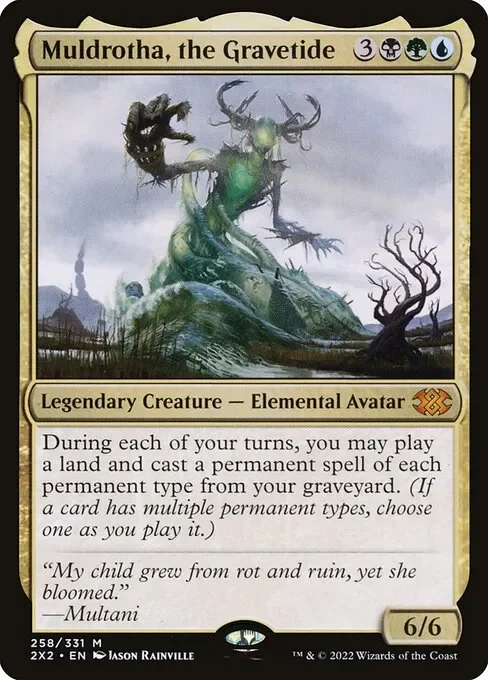 Image 1 of 9
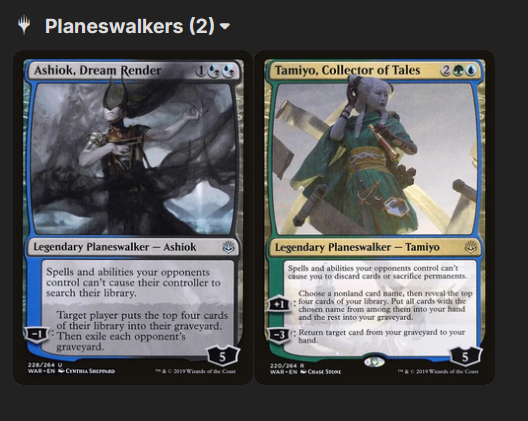 Image 2 of 9
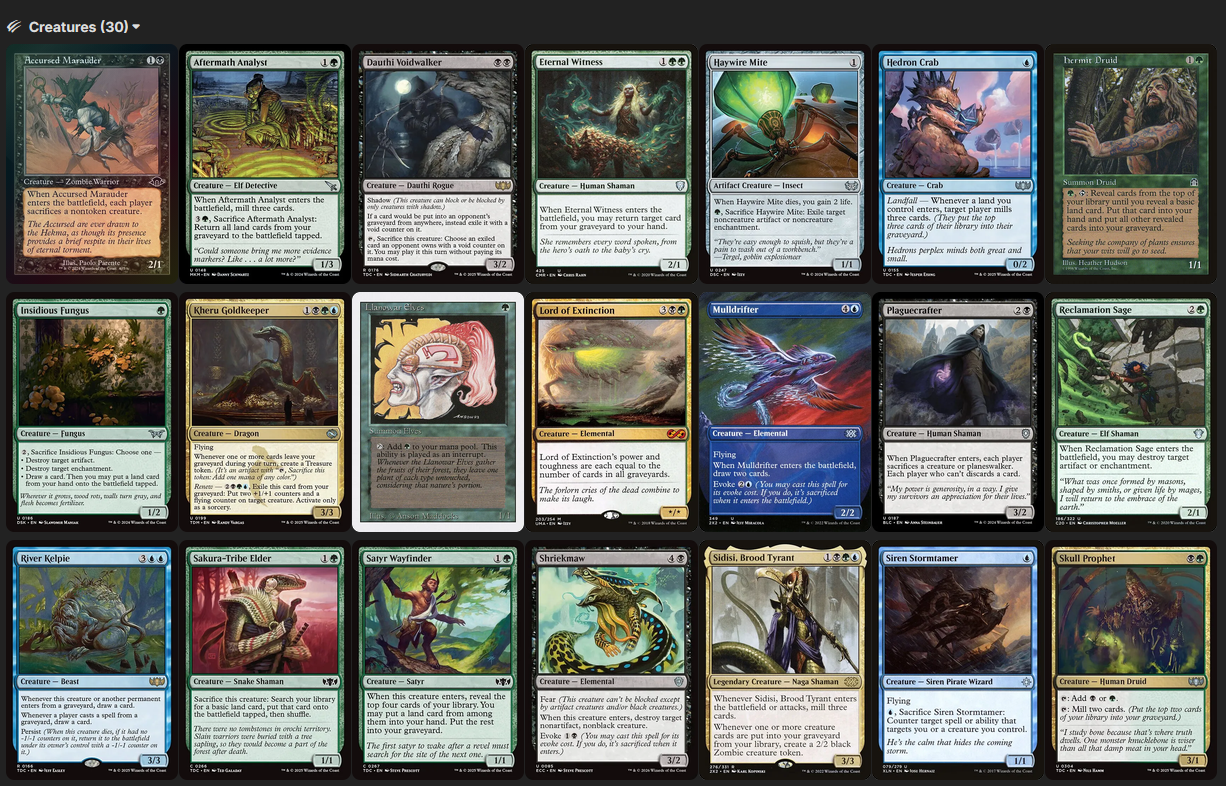 Image 3 of 9
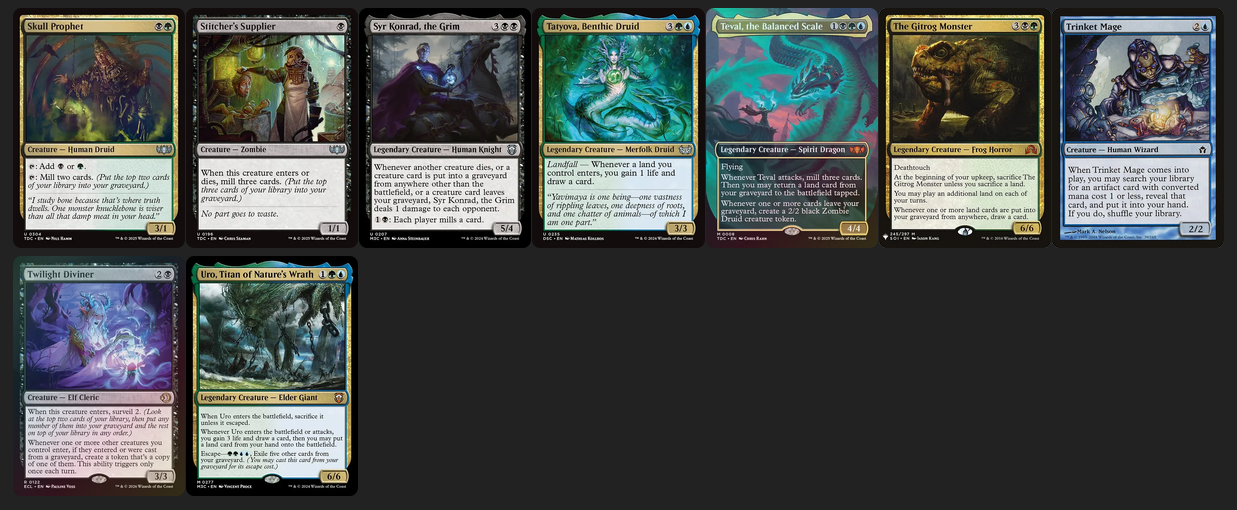 Image 4 of 9
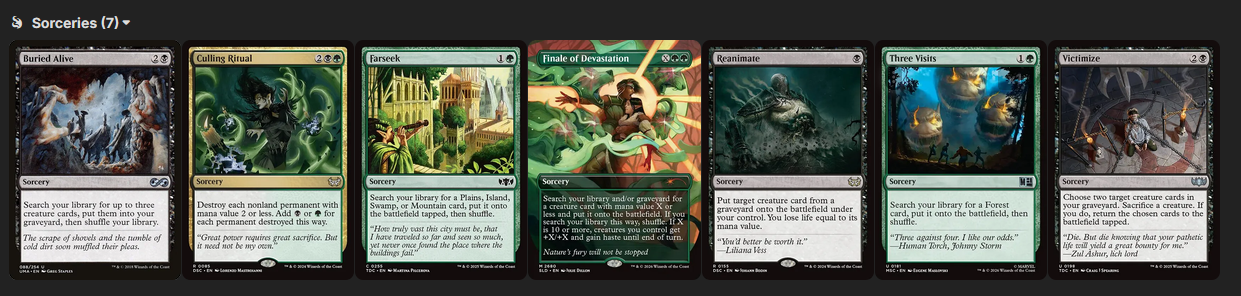 Image 5 of 9
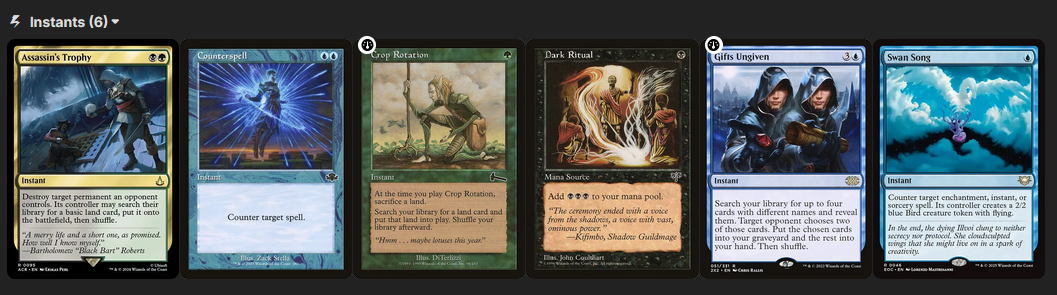 Image 6 of 9
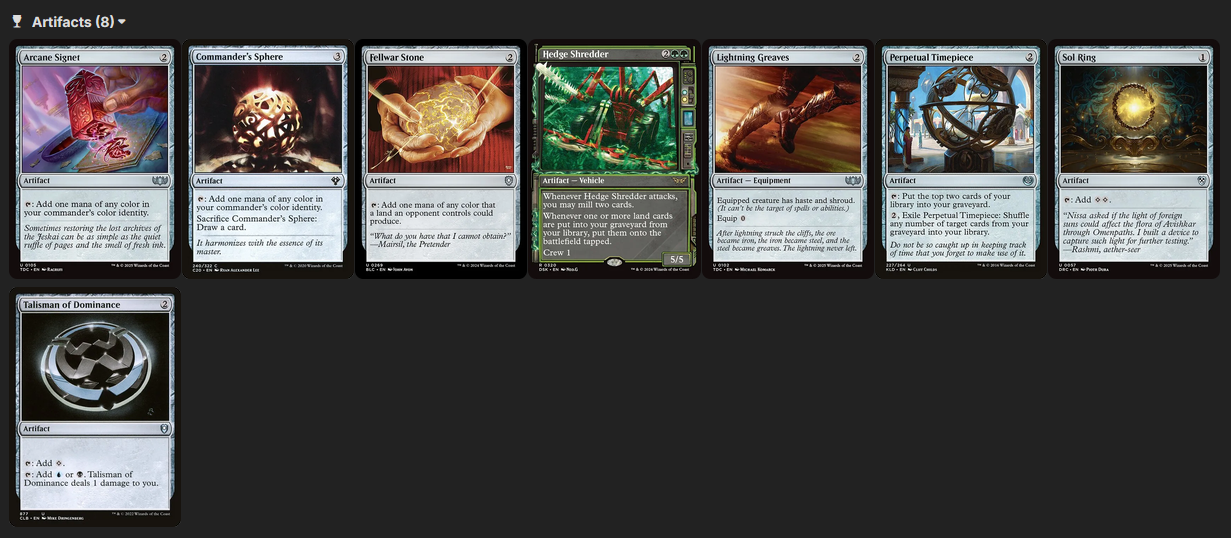 Image 7 of 9
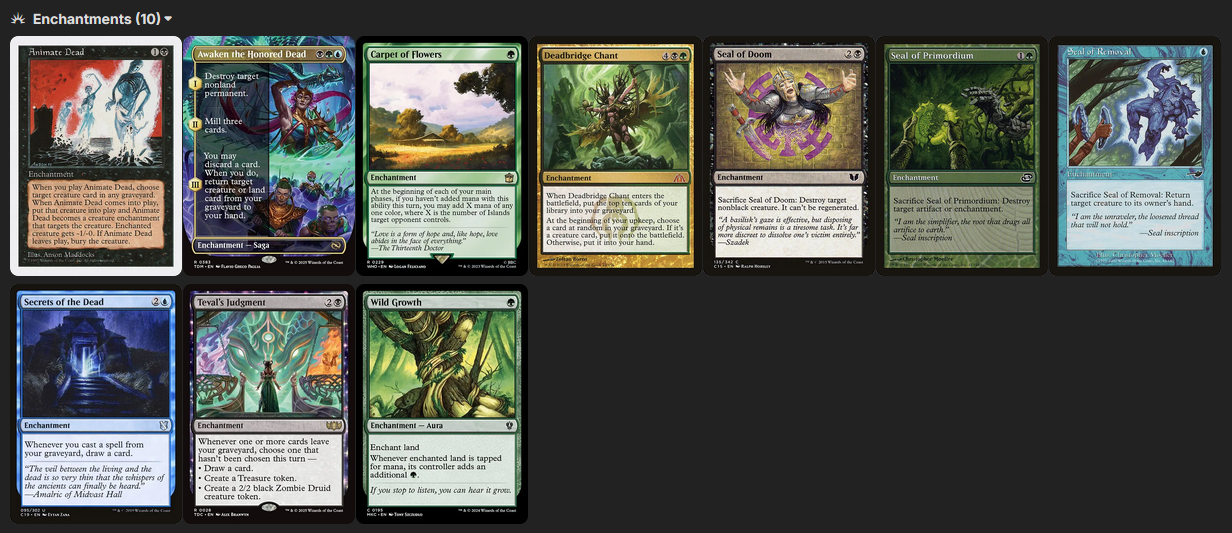 Image 8 of 9
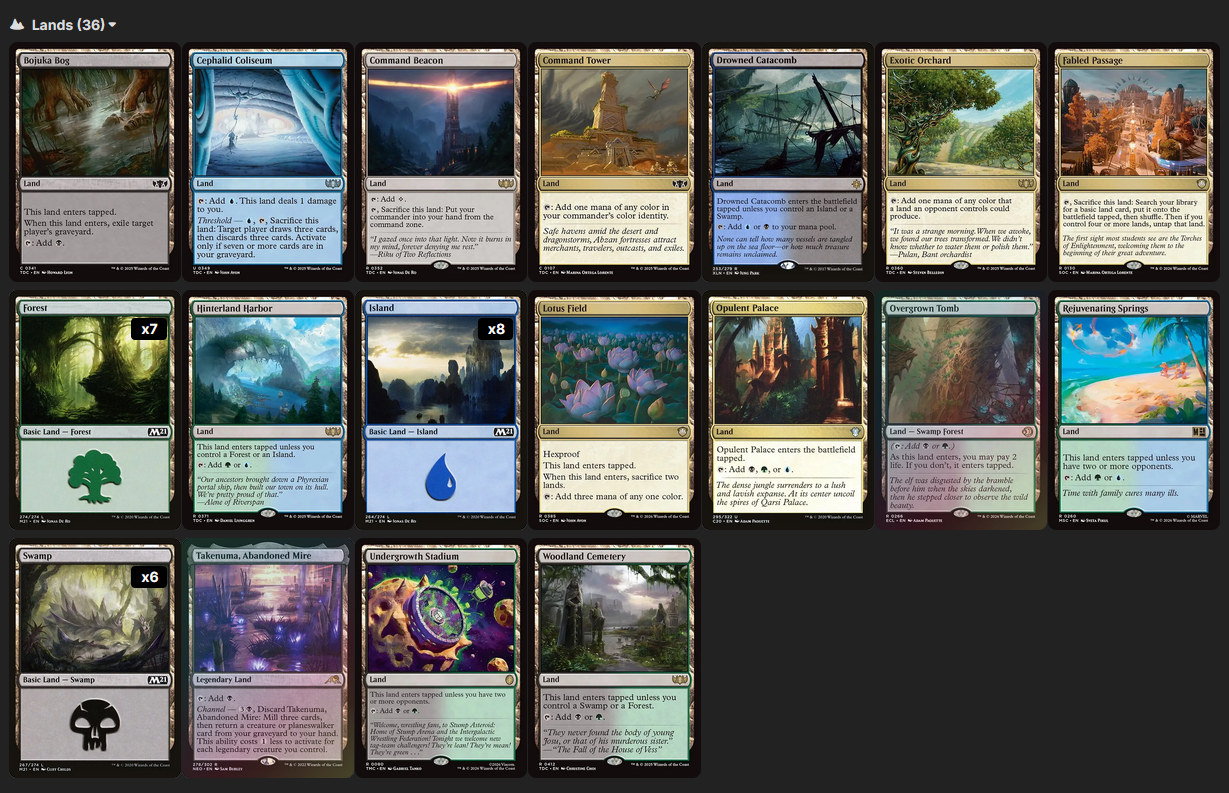 Image 9 of 9