

Evergreen
Filters
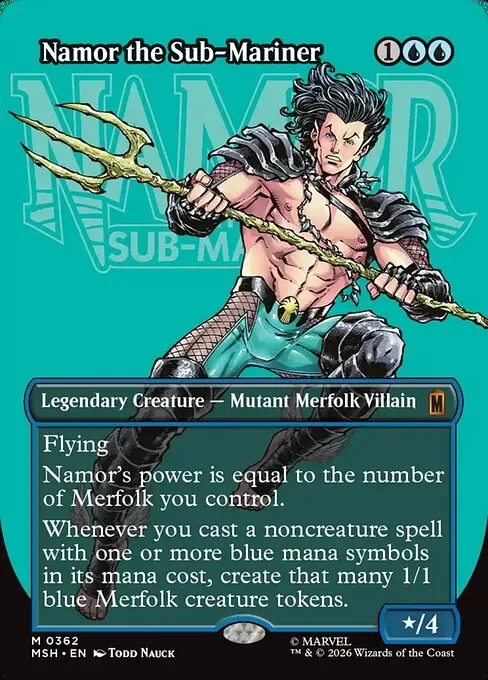
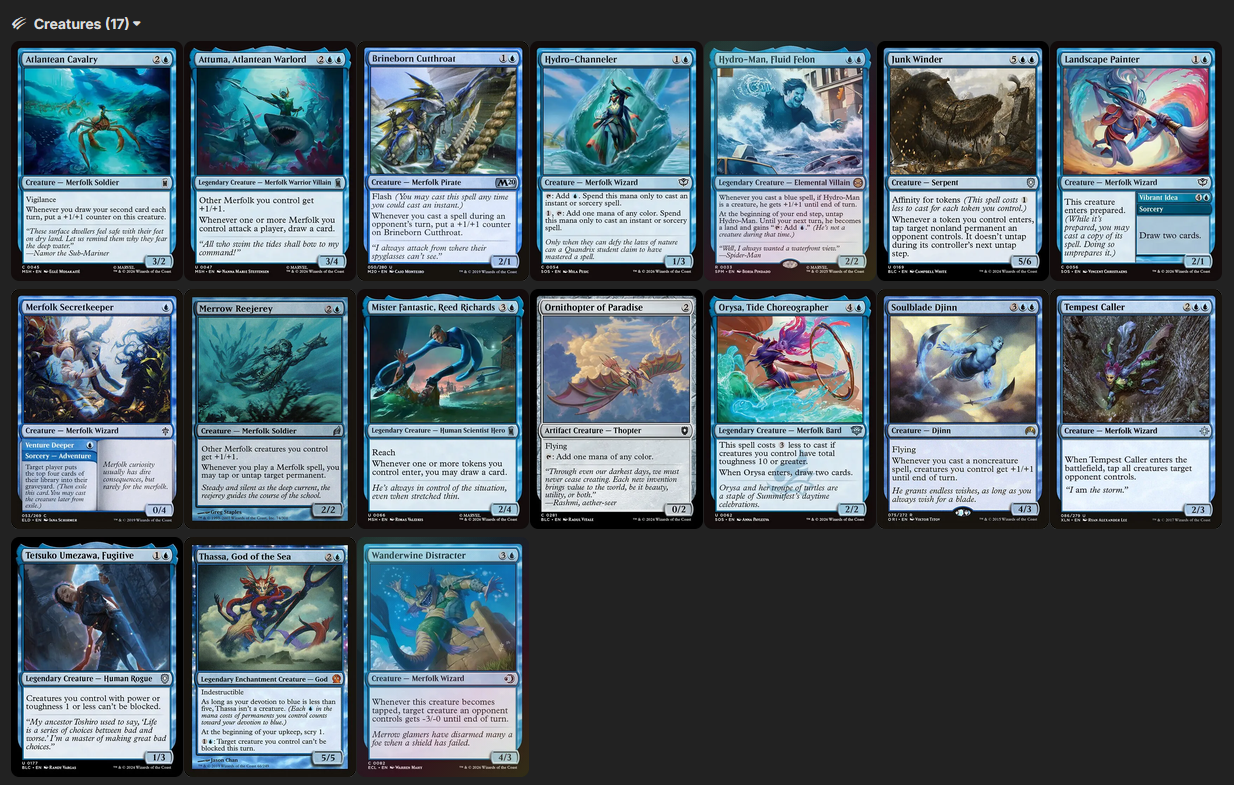
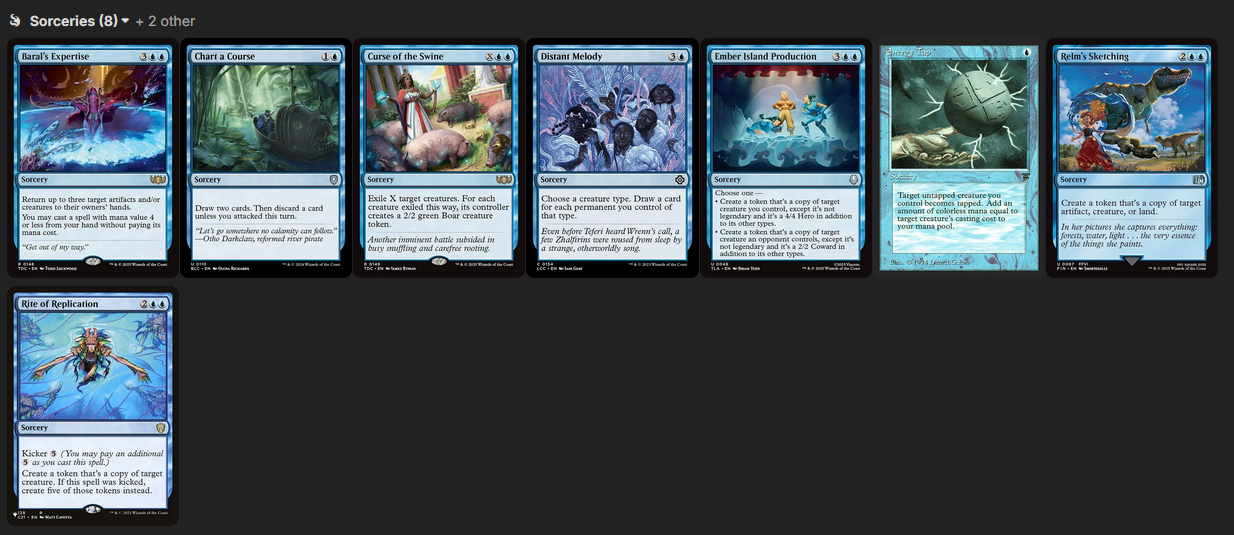
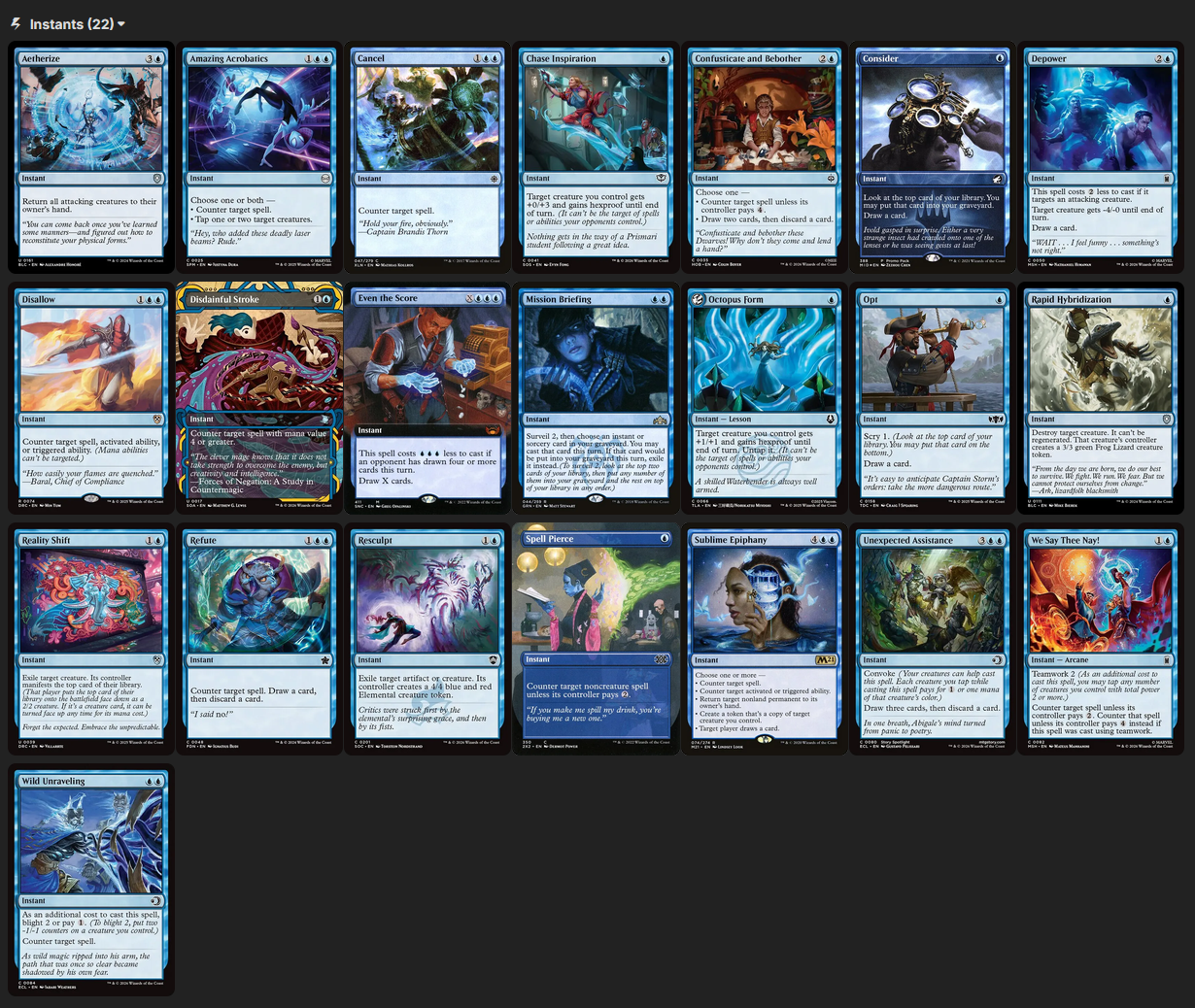
Namor the Sub-Mariner leads a mono-blue Merfolk deck that blends tribal development with a dense instant-and-sorcery control shell. Rather than choosing between committing creatures to the battlefield and holding mana for interaction, Namor converts blue noncreature spells into 1/1 Merfolk tokens while increasing his own power as the Atlantean force grows.
The result is a deliberately reactive deck that develops much of its board presence through normal spellcasting. Countermagic, removal, card selection, and tempo plays all contribute toward a widening Merfolk battlefield, allowing the deck to maintain interaction while steadily establishing a combat clock.
Deck Overview
The deck operates as a Merfolk Tokens and Spells-Control hybrid, using Namor as both its principal token engine and a scalable evasive threat. The unusually high concentration of blue noncreature spells ensures that many routine actions also produce additional creatures, making the deck less dependent on resolving traditional creature-based token generators.
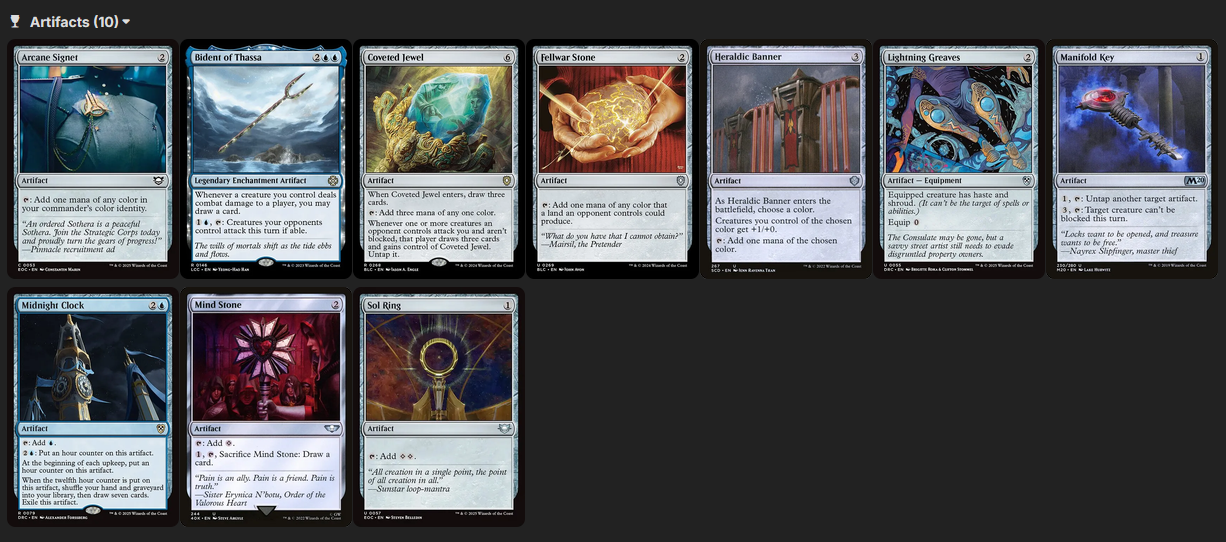
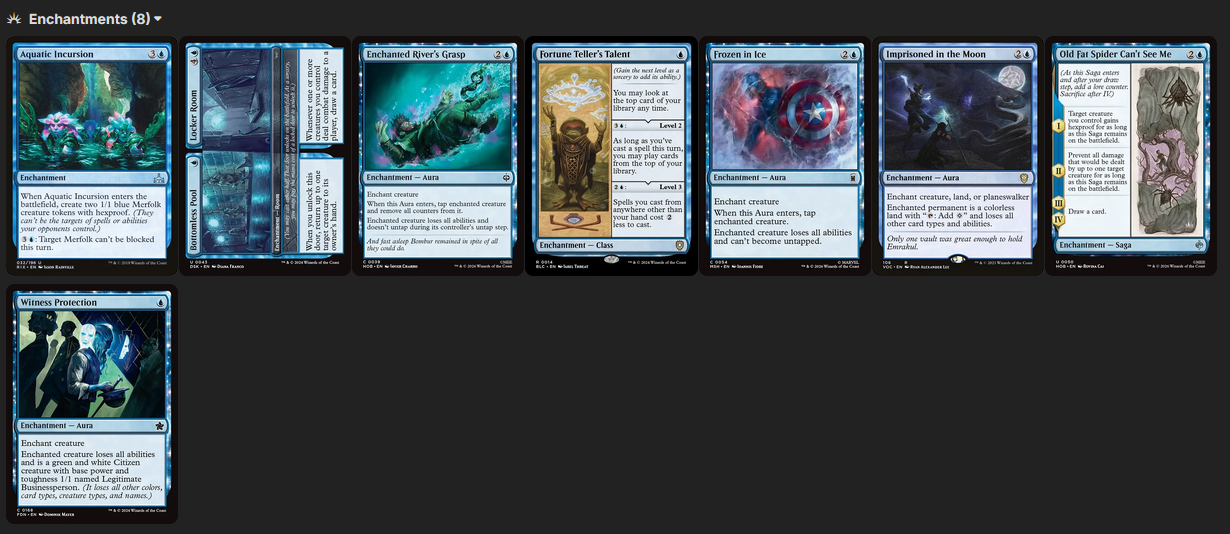
Traditional Merfolk support from Merrow Reejerey, Attuma, Atlantean Warlord, Atlantean Cavalry, Orysa, Tide Choreographer, Wanderwine Distracter, and Aquatic Incursion reinforces that spell-driven core. Meanwhile, cards such as Junk Winder, Soulblade Djinn, Bident of Thassa, Distant Melody, and Mister Fantastic, Reed Richards convert the resulting token production into tempo, combat pressure, and additional cards.
Marvel and Atlantean elements remain mechanically integrated rather than functioning solely as thematic inclusions, giving the deck a recognizable Namor identity without compromising its underlying Commander structure.
Key Strategic Elements
Merfolk Generation and Tribal Scaling
Namor turns the deck's extensive noncreature package into a repeatable creature engine. Blue-heavy spells can generate multiple Merfolk from a single cast, allowing interaction and card advantage to simultaneously increase battlefield presence.
Those tokens directly increase Namor's power while providing additional value for cards such as Merrow Reejerey, Distant Melody, Bident of Thassa, Junk Winder, and Mister Fantastic, Reed Richards. Aquatic Incursion and other dedicated Merfolk cards supplement the commander's production when additional board development is required.
Card Advantage and Spell Velocity
The deck contains multiple layers of card selection and sustained draw. Opt, Consider, Chart a Course, Chase Inspiration, Distant Melody, Bident of Thassa, Even the Score, Coveted Jewel, and Midnight Clock help maintain sufficient resources for an interaction-heavy game.
Namor makes even inexpensive cantrips strategically significant. A simple card-selection spell can replace itself while adding another Merfolk, meaning the deck can continue developing without abandoning its reactive posture.
Mission Briefing adds further value by allowing important spells to be reused as the game develops.
Control and Tempo
A broad interaction suite gives the deck answers across multiple permanent and spell types. Disallow, Refute, Disdainful Stroke, Spell Pierce, Cancel, We Say Thee Nay!, and Wild Unraveling provide countermagic at different stages of the game.
Permanent-based threats can be addressed through Reality Shift, Rapid Hybridization, Resculpt, Curse of the Swine, Imprisoned in the Moon, Witness Protection, Frozen in Ice, and Depower. Aetherize and Baral's Expertise provide larger tempo swings when opponents commit heavily to the battlefield.
Because many of these answers contain blue mana symbols, Namor allows defensive play to continue advancing the deck's primary board state.
Token Utility and Combat Access
The Merfolk tokens are more than additional attackers. Junk Winder converts repeated token entry into opposing permanent suppression while benefiting from the deck's expanding creature count. Soulblade Djinn turns continued noncreature casting into temporary team-wide offensive growth.
Combat access is provided through several complementary effects. Thassa, God of the Sea can make important attackers unblockable, Tetsuko Umezawa, Fugitive gives unmodified 1/1 creatures a path through larger defenses, and Tempest Caller can remove an opponent's blockers for a decisive combat step.
Bident of Thassa then rewards successful attacks by converting creature connections into additional cards.
Closing the Game
The deck wins primarily by transforming incremental spell value into overwhelming creature density. Each new Merfolk increases Namor's power while expanding the number of bodies available for combat, card-draw triggers, and tribal effects.
Merrow Reejerey and Heraldic Banner strengthen the creature base, while Soulblade Djinn can produce substantial combat turns from a sequence of noncreature spells. Tempest Caller, Thassa, God of the Sea, and Aquatic Incursion help bypass established defenses when the deck is ready to convert its accumulated advantage into damage.
Namor himself provides a secondary pressure point. With flying and power equal to the number of Merfolk under the deck's control, a sufficiently developed battlefield can turn the commander into a significant evasive threat without requiring a separate Voltron package.
Build Philosophy
This build is structured around maximizing the functional overlap between Namor's triggered ability and a traditional mono-blue interaction package. Counterspells, removal, cantrips, card draw, and tempo effects are not separate from the deck's creature plan; they are the primary means through which that plan develops.
The supporting creature package remains focused on Merfolk, token utility, card advantage, and combat access rather than simply increasing tribal density. Flexible copying effects such as Rite of Replication, Relm's Sketching, and Ember Island Production provide additional adaptability depending on the strongest permanents available during a game.
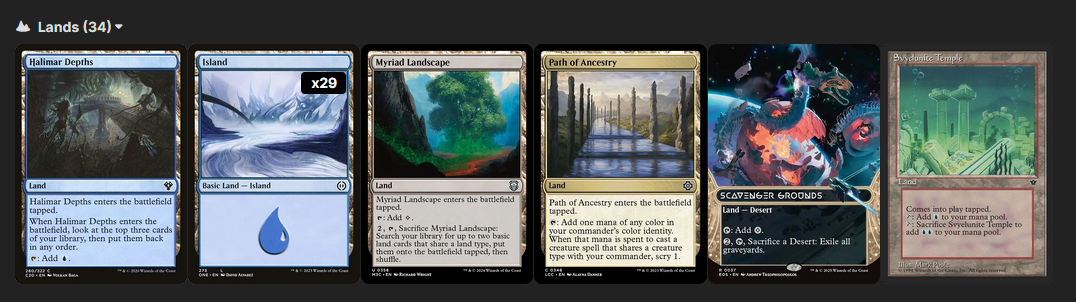
Mana production is supported by Sol Ring, Arcane Signet, Fellwar Stone, Mind Stone, Ornithopter of Paradise, Heraldic Banner, Midnight Clock, and Coveted Jewel, while a heavily Island-based mana base keeps blue sequencing dependable. Utility lands including Halimar Depths, Path of Ancestry, Scavenger Grounds, Myriad Landscape, and Svyelunite Temple add functionality without unnecessarily complicating the deck's mono-blue requirements.
Every major package contributes toward the same central objective: cast useful blue spells, create Merfolk while doing so, preserve control of the game, and convert the resulting battlefield into sustained pressure.
Technical Details
100-card singleton Commander deck, legal for EDH
All cards in Near Mint to Lightly Played condition
Professionally sleeved and ready to play
Built for consistent performance and strategic depth
Ideal For Players Who:
Enjoy Merfolk strategies that combine tribal development with reactive blue gameplay
Prefer Commander decks where interaction and board development are integrated into the same engine
Appreciate cohesive, professionally constructed decks with strong mechanical and thematic identity
The Ur-Sphinx leads an Esper (White, Blue, Black) Commander deck built around Sphinx tribal synergy, strategic milling, and the ability to turn opponents' libraries into a source of additional spells. Combining evasive creatures, efficient removal, artifact acceleration, and graveyard recursion, this build establishes a controlled battlefield before converting repeated Sphinx attacks into substantial card advantage.
The deck emphasizes deliberate sequencing and sustained resource management. Its combination of tribal support, defensive interaction, and high-impact finishers creates a flexible control strategy capable of adapting to different multiplayer environments.
Deck Overview
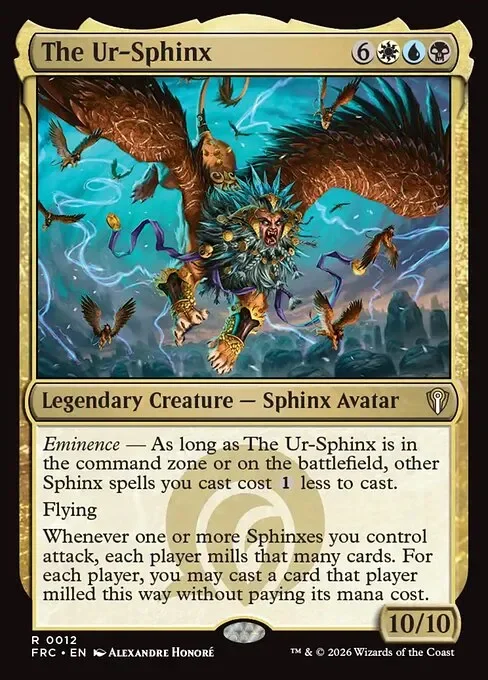
The Ur-Sphinx functions as both a tribal cost reducer and a repeatable source of offensive card advantage. Its Eminence ability reduces the cost of other Sphinx spells while it remains in the command zone or on the battlefield, allowing the deck to develop its creature presence more efficiently.
Once deployed, The Ur-Sphinx rewards attacking with Sphinxes by milling each player according to the number of attacking Sphinxes. For each player, its controller may then cast a card that player milled this way without paying its mana cost. This transforms an established flying board into an engine for accessing additional spells, disrupting opposing resources, and generating value beyond the deck's own library.
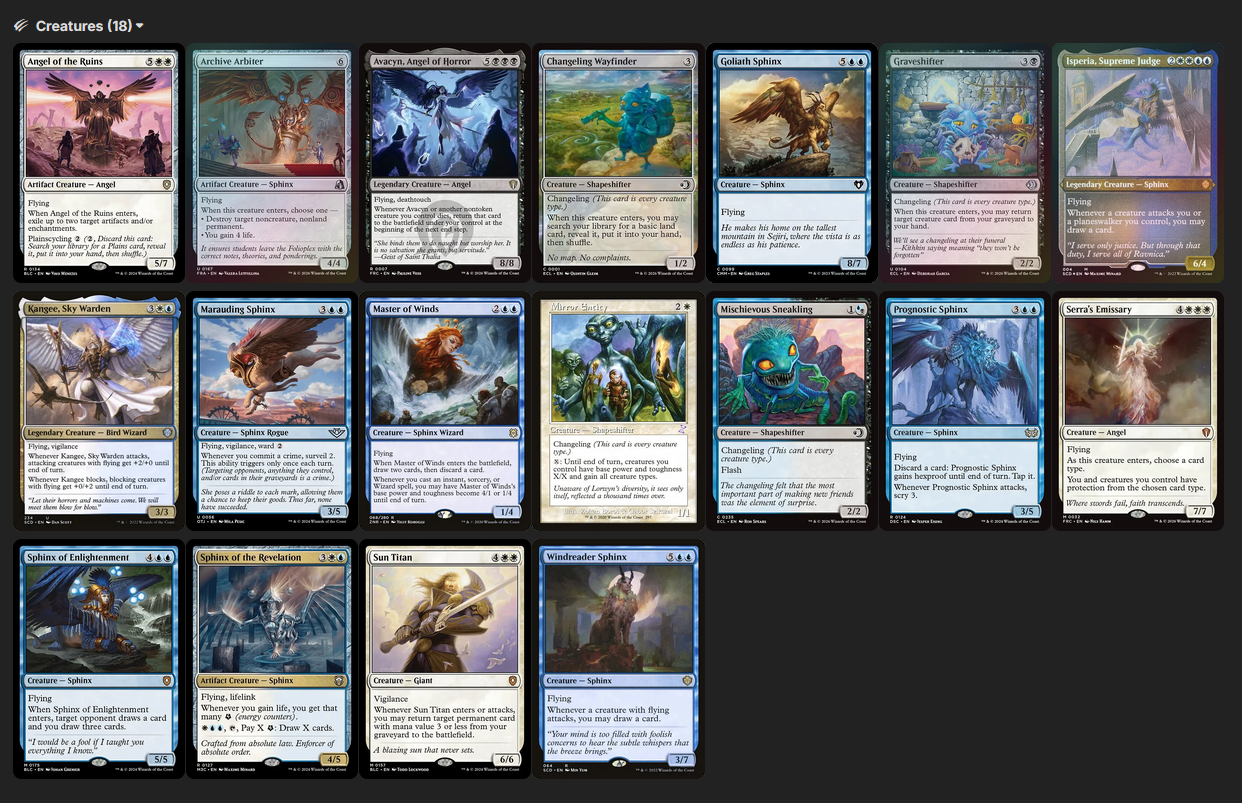
Archive Arbiter, Marauding Sphinx, Prognostic Sphinx, Sphinx of Enlightenment, and Windreader Sphinx provide the tribal foundation, while changelings such as Mirror Entity and Mischievous Sneakling increase the number of creatures capable of benefiting from Sphinx-related effects.
The surrounding Esper control package supports this strategy through selective removal, board wipes, recursion, and artifact-based value engines.
Key Strategic Elements
Sphinx Tribal Synergy and Aerial Pressure
The deck establishes its primary battlefield presence through flying creatures that contribute both combat pressure and additional utility.
Windreader Sphinx converts attacks by flying creatures into card draw, while Sphinx of Enlightenment provides card advantage and interacts with opposing creatures through its enter-the-battlefield ability. Prognostic Sphinx supplies repeatable card selection through its attack trigger, improving the consistency of subsequent draws.
Isperia, Supreme Judge discourages opposing aggression by drawing cards when creatures attack its controller or their planeswalkers. Goliath Sphinx provides a substantial evasive threat, while Kangee, Sky Warden reinforces the deck's flying creatures during combat.
Changelings such as Changeling Wayfinder, Graveshifter, Mirror Entity, and Mischievous Sneakling broaden the tribal creature base without sacrificing utility. Mirror Entity is particularly effective at converting an established board into a coordinated offensive threat.
Together, these creatures establish the aerial presence necessary to activate The Ur-Sphinx's primary ability consistently.
Milling, Card Advantage, and Opponent Resource Utilization
The Ur-Sphinx introduces a distinctive approach to milling by treating opponents' libraries as potential extensions of the deck's available resources.
Each Sphinx attack can reveal additional opportunities to cast opposing spells without paying their mana costs. Multiple attacking Sphinxes increase the number of cards milled from each player, expanding the selection of spells that may be accessed.
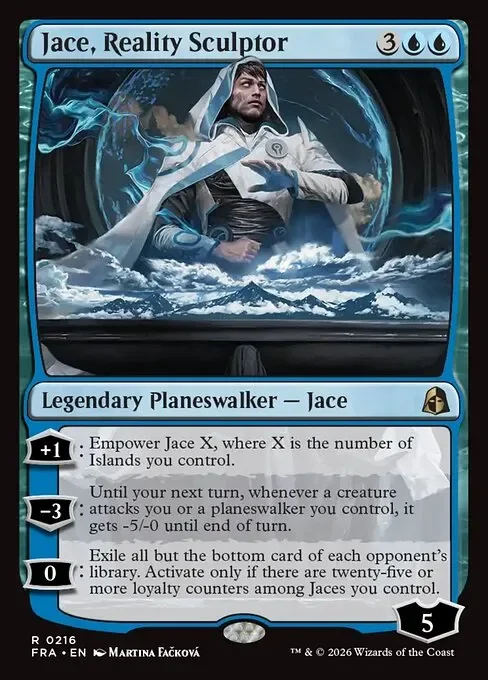
Jace, Reality Sculptor complements this strategy as a secondary control-oriented threat. His loyalty abilities provide scalable loyalty development based on controlled Islands, defensive protection against attacking creatures, and a potentially decisive library-exiling effect when sufficient loyalty has been accumulated.
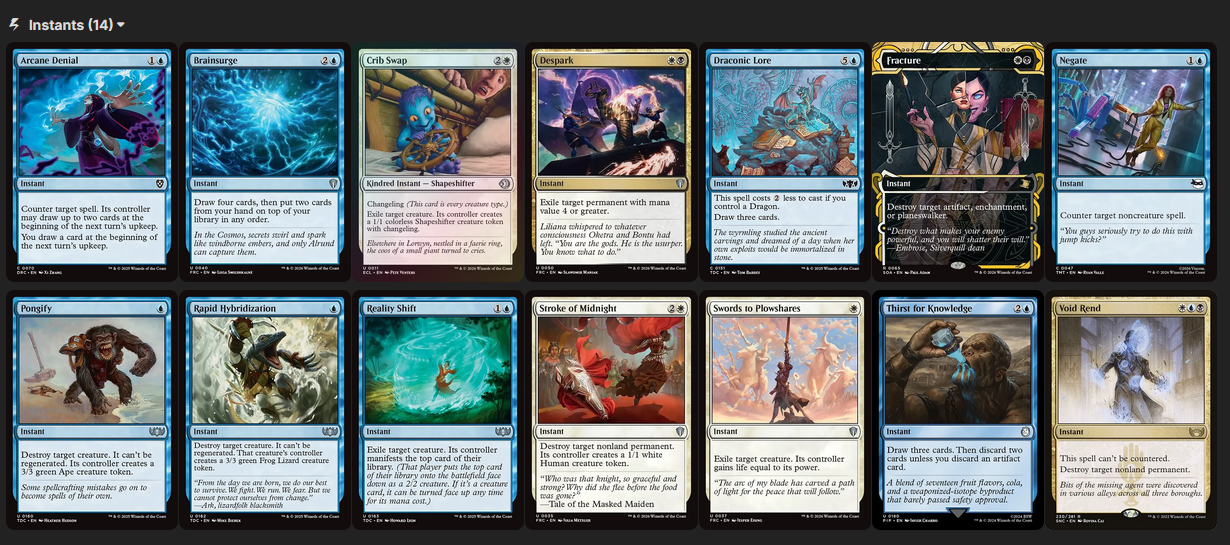
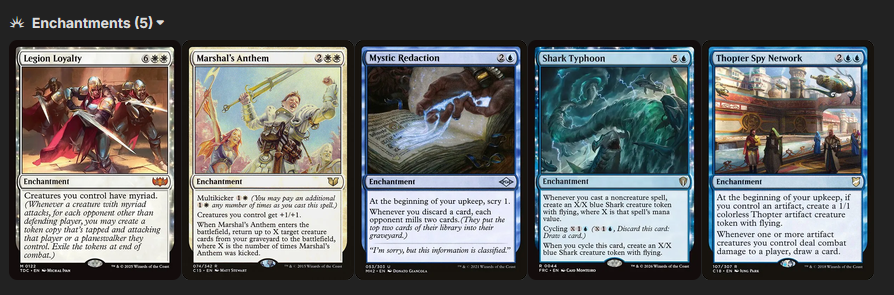
Brainsurge, Thirst for Knowledge, and Draconic Lore support card flow, while Mystic Redaction supplies additional card selection and incremental milling.
This combination allows the deck to generate advantage through both conventional card draw and the unconventional use of opponents' resources.
Board Control and Resilience
The deck employs a comprehensive Esper removal package designed to manage opposing threats while preserving the flexibility to rebuild.
Swords to Plowshares, Pongify, Rapid Hybridization, Reality Shift, Despark, and Void Rend provide targeted answers to creatures and other problematic permanents. Arcane Denial and Negate protect important turns and interrupt opposing strategies.
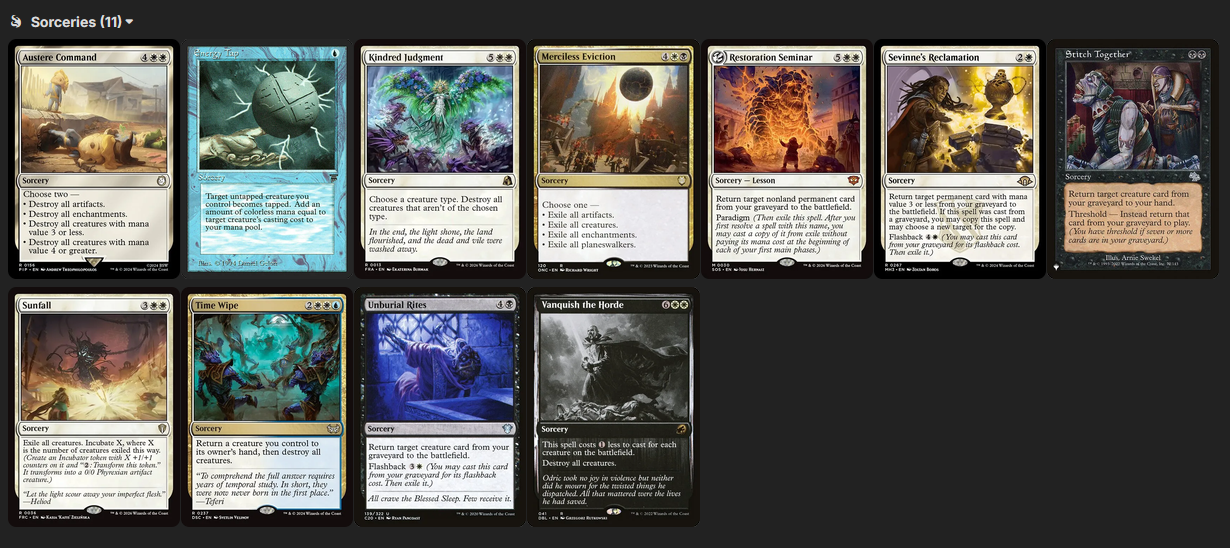
For broader battlefield management, Austere Command, Merciless Eviction, Sunfall, Vanquish the Horde, and Time Wipe offer several forms of mass removal. Their differing effects allow the deck to address creature-heavy boards, artifacts, enchantments, and other developed positions.
Kindred Judgment provides particularly relevant tribal interaction by allowing the deck to preserve a chosen creature type while removing competing creature types.
Serra's Emissary adds another defensive layer through protection from a selected card type, helping secure an established battlefield or create an opening for a decisive attack.
Artifact Acceleration, Recursion, and Utility
The Ur-Sphinx's substantial mana requirement makes acceleration and reliable color access important elements of the deck's construction.
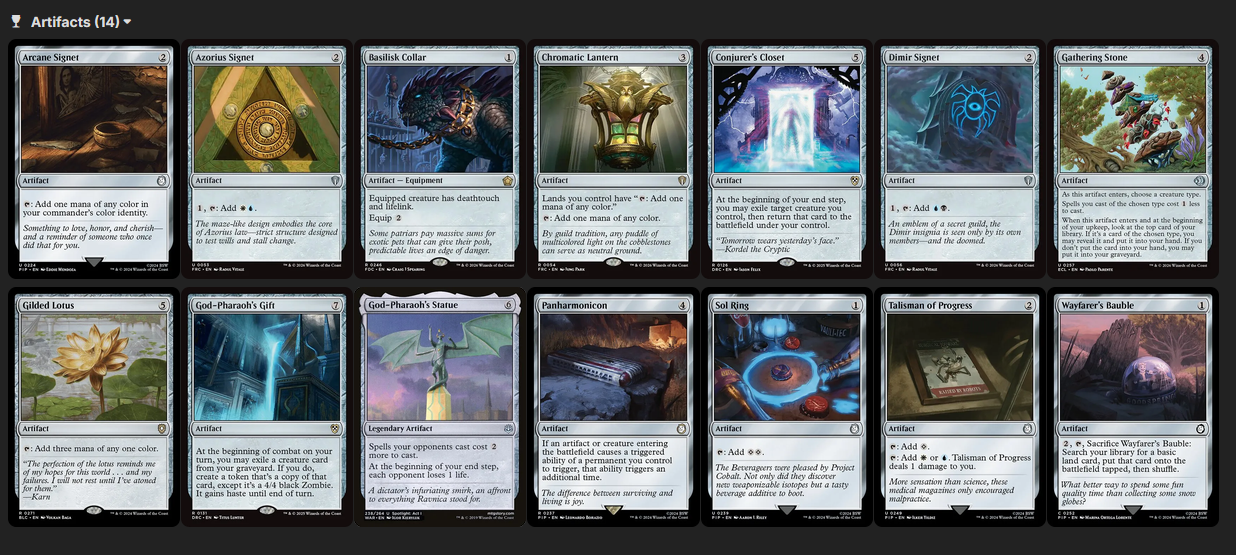
Sol Ring, Arcane Signet, Azorius Signet, Dimir Signet, Talisman of Progress, Chromatic Lantern, and Gilded Lotus support mana development and the casting of expensive threats. Wayfarer's Bauble provides additional land-based acceleration.
Gathering Stone contributes creature-type-focused cost reduction and card selection, reinforcing the tribal structure alongside The Ur-Sphinx's Eminence ability.
The deck also incorporates several complementary value engines. Panharmonicon increases the effectiveness of triggered abilities from artifacts and creatures entering the battlefield, while Conjurer's Closet allows important enter-the-battlefield abilities to be reused over successive turns.
Sun Titan, Sevinne's Reclamation, Restoration Seminar, Stitch Together, Unburial Rites, and God-Pharaoh's Gift provide multiple avenues for recovering permanents or returning creatures to the battlefield.
These recursion effects help the deck recover from removal while extracting additional value from creatures that have already served their initial purpose.
Closing the Game
The deck is designed to transition from controlled board development into sustained aerial pressure and resource advantage.
With multiple Sphinxes established, each attack can simultaneously threaten combat damage, mill opposing libraries, and provide access to additional spells through The Ur-Sphinx. This creates increasing pressure on opponents to answer the commander or the supporting creature base.
Mirror Entity can turn smaller creatures into meaningful combat threats, while Kangee, Sky Warden supports coordinated attacks by flying creatures. Legion Loyalty introduces a separate high-impact combat option, allowing attacking creatures to generate additional copies through myriad and potentially multiply relevant attack and enter-the-battlefield effects.
Marshal's Anthem strengthens the creature base while providing a means of returning creatures from the graveyard. God-Pharaoh's Statue imposes additional costs on opposing spells, potentially limiting opponents' ability to respond as the deck establishes its finishing position.
The result is a control-oriented tribal strategy with several routes to victory: evasive combat damage, accumulated value from opposing libraries, and overwhelming battlefield development.
Build Philosophy
This deck is constructed around the interaction between The Ur-Sphinx's tribal cost reduction and its ability to generate spells through combat-triggered milling.
The creature selection emphasizes flying threats with relevant secondary abilities rather than relying exclusively on creature size. Changelings expand the tribal base, while targeted interaction and flexible sweepers provide the control necessary to support a higher-mana creature strategy.
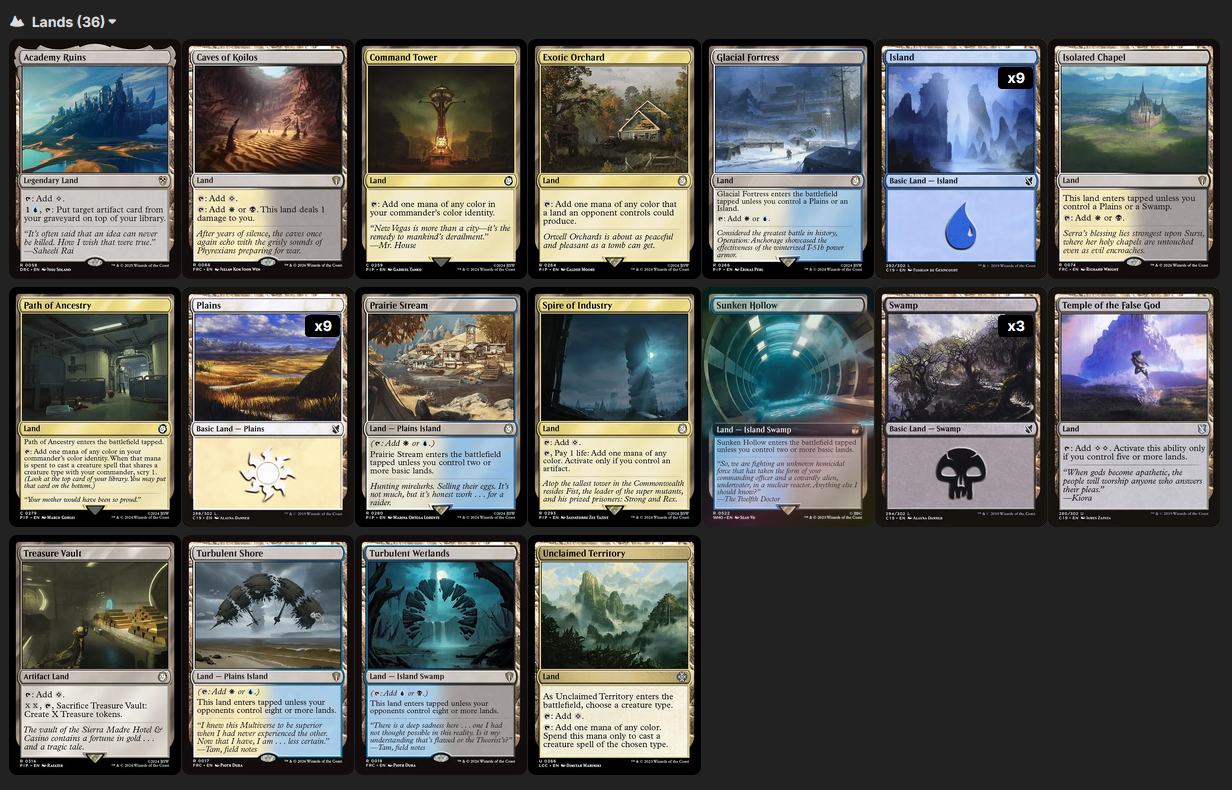
Artifact acceleration, color fixing, and recursion are distributed throughout the list to support reliable sequencing and recovery. The Esper mana base incorporates multicolor lands, utility lands, and basic lands to accommodate the deck's varied casting requirements.
Each major component contributes to a cohesive play pattern: develop mana, establish flying threats, control opposing permanents, and convert Sphinx attacks into a sustained advantage.
Technical Details
100-card singleton Commander deck, legal for EDH
All cards in Near Mint to Lightly Played condition
Professionally sleeved and ready to play
Built for consistent performance and strategic depth
Ideal For Players Who:
Enjoy Esper control strategies built around Sphinx tribal synergy, milling, and unconventional card advantage.
Prefer interactive Commander decks that combine evasive combat threats with removal, recursion, and resource management.
Appreciate cohesive, professionally constructed decks with multiple avenues for establishing and maintaining battlefield control.
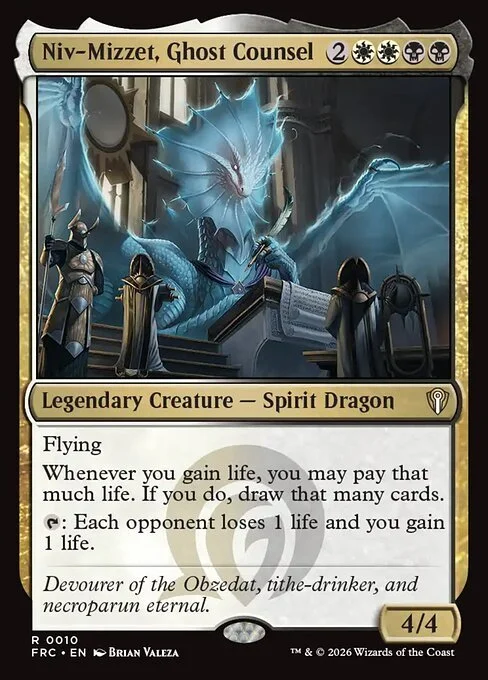
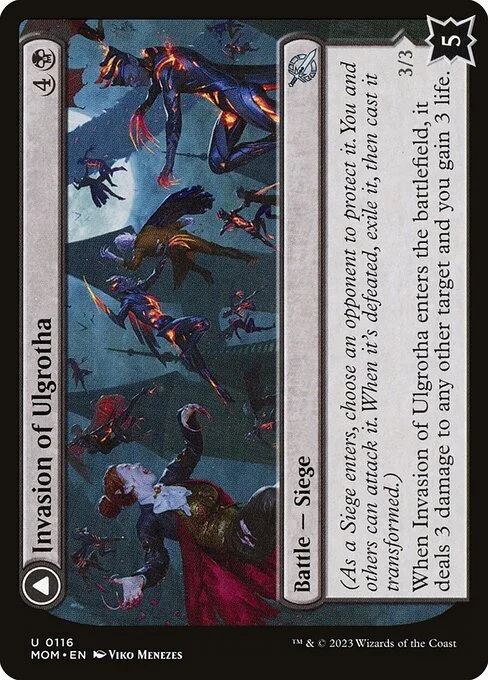
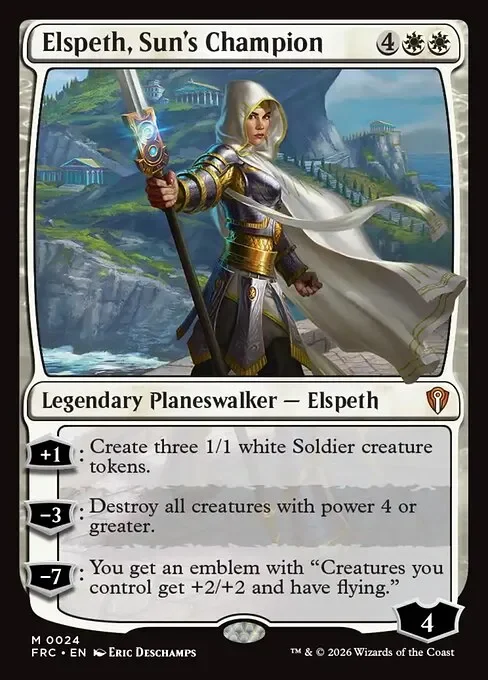
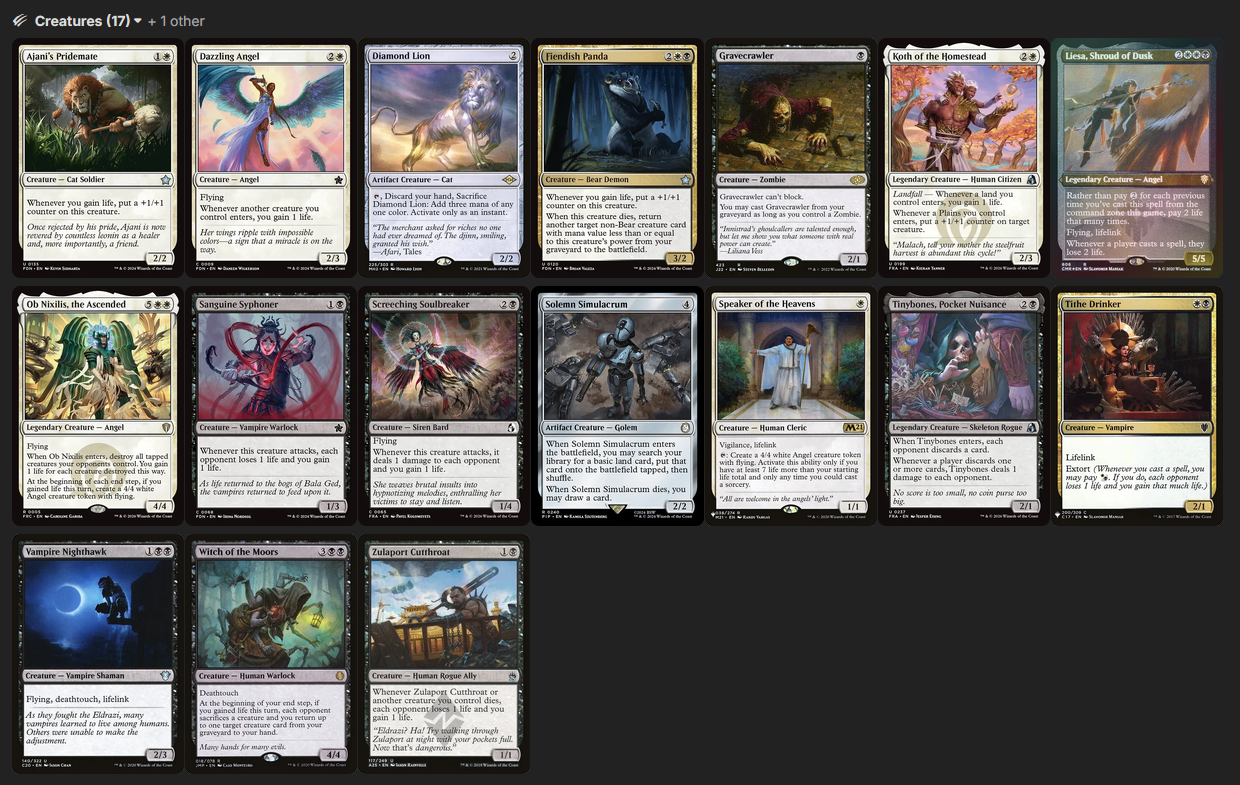
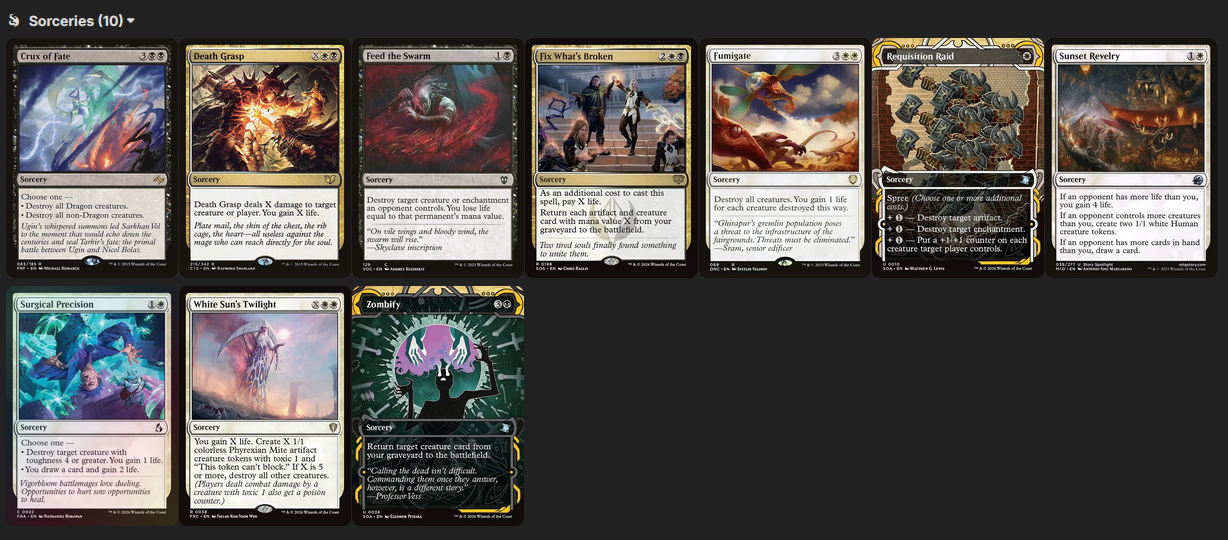
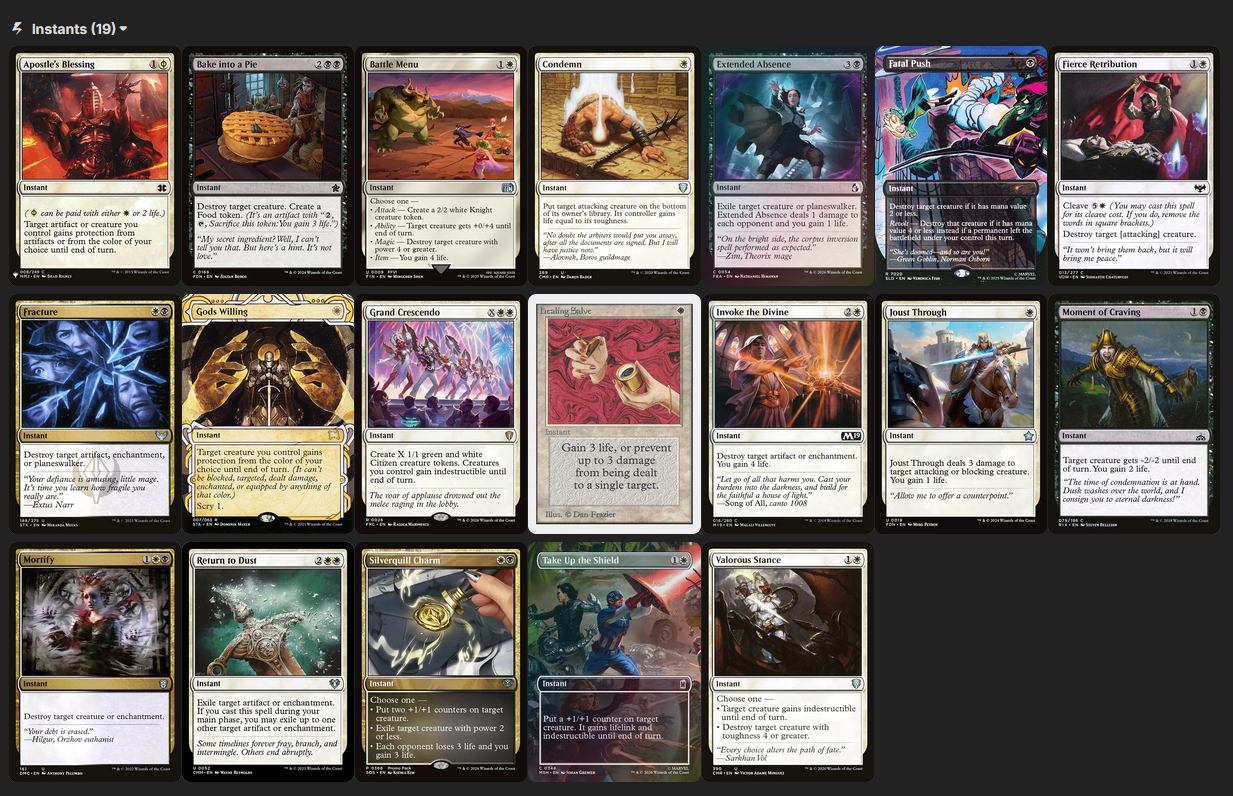
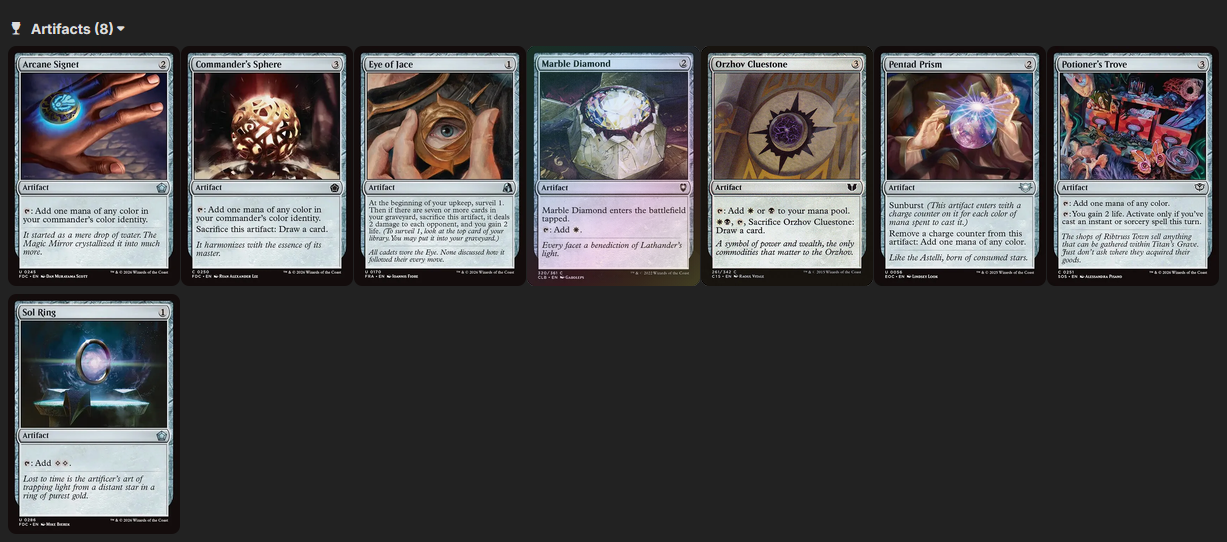
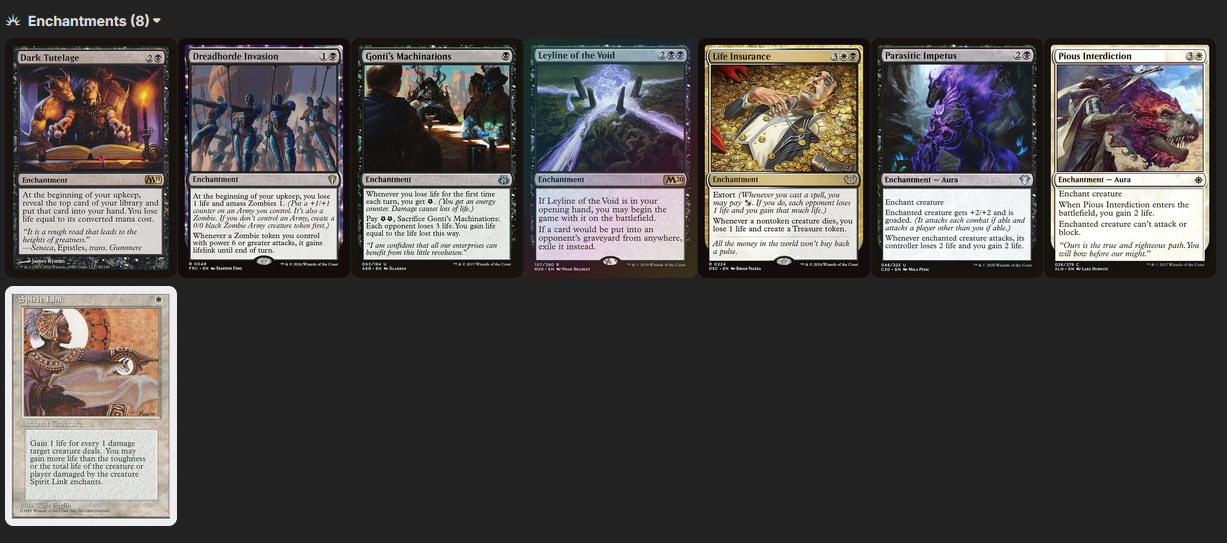
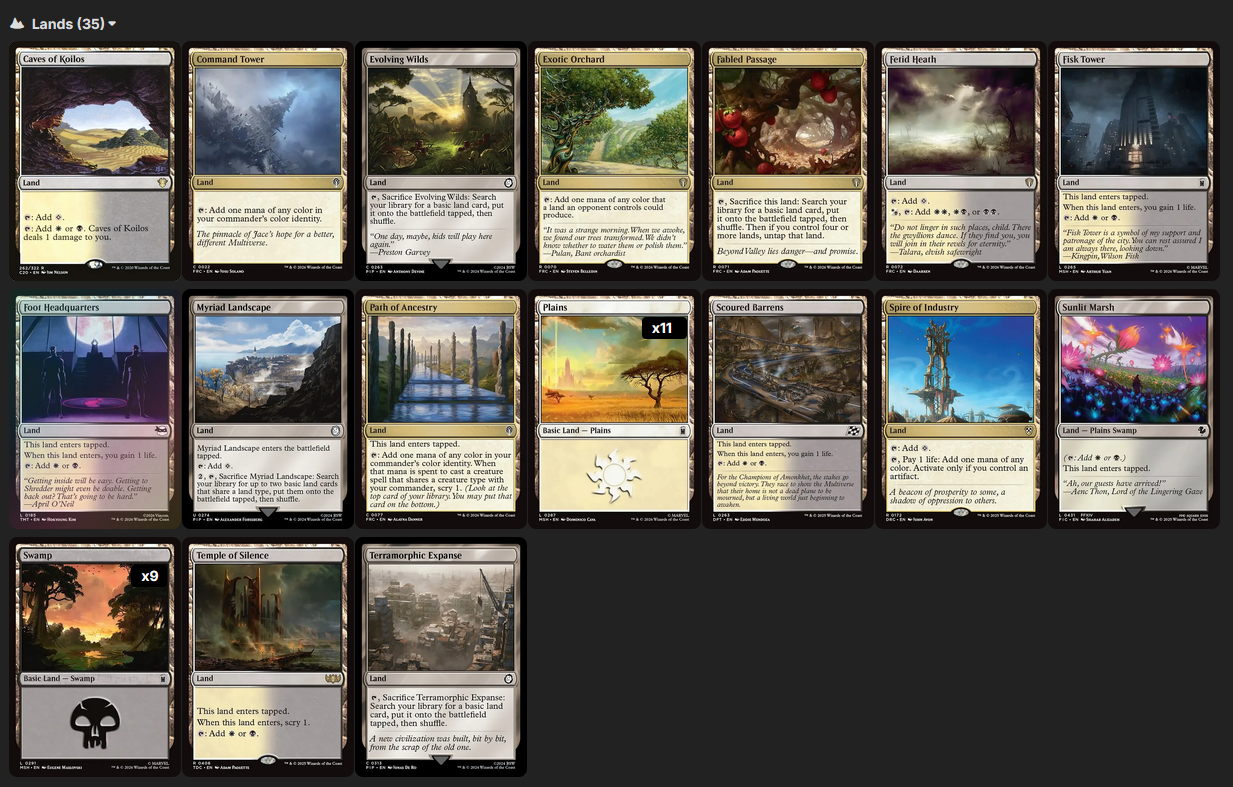
Niv-Mizzet, Ghost Council leads an Orzhov Commander deck built around life-total manipulation, incremental resource advantage, and sustained battlefield control. The commander transforms lifegain into card draw while providing a repeatable source of life drain, allowing the deck to convert defensive stability into consistent offensive pressure. Supported by lifelink creatures, removal, life-triggered abilities, and token generation, the deck emphasizes deliberate sequencing and long-term resource management.
Deck Overview
This build combines Orzhov Lifegain Control with elements of aristocrats, token production, and attrition-based midrange play. Rather than relying on a single explosive combination, the deck establishes overlapping sources of lifegain and opponent life loss, gradually building advantages in cards, battlefield presence, and life totals.
Niv-Mizzet's activated ability provides repeatable life drain, while cards such as Tithe Drinker, Sanguine Syphoner, Koth of the Homestead, and Gonti's Machinations reinforce the deck's life-total strategy. Liesa, Shroud of Dusk introduces additional pressure on spellcasting, and Elspeth, Sun's Champion supplies a recurring token engine alongside substantial battlefield control.
The result is a methodical Commander deck designed to manage opposing threats, preserve resources, and capitalize on extended multiplayer games.
Key Strategic Elements
1. Lifegain and Card Advantage
The deck's central engine revolves around Niv-Mizzet's ability to exchange gained life for additional cards. This creates a flexible resource system in which lifegain can support either survival or continued access to interaction and threats.
Tithe Drinker and Vampire Nighthawk provide reliable lifelink opportunities, while Sanguine Syphoner and Koth of the Homestead reward life-total changes with additional battlefield value. Fiendish Panda further benefits from repeated lifegain triggers, creating a growing creature threat.
Dark Tutelage offers supplemental card advantage, while Eye of Jace provides selection through surveil. Together, these effects help maintain access to removal, utility pieces, and late-game threats.
2. Board Control and Resilience
A substantial removal package allows the deck to answer creatures, artifacts, enchantments, and other problematic permanents across different stages of the game.
Fatal Push, Mortify, Fracture, Feed the Swarm, and Valorous Stance provide targeted interaction, while Fumigate, Crux of Fate, and Elspeth, Sun's Champion offer broader battlefield management.
Fumigate is particularly relevant to the deck's primary engine, converting destroyed creatures into lifegain that can subsequently support Niv-Mizzet's card-draw ability.
Zombify and Witch of the Moors provide creature recovery, while Solemn Simulacrum contributes mana development and card replacement. These elements help the deck recover resources after extended exchanges.
3. Token Generation and Utility Synergies
Token generation provides a secondary route to battlefield development without requiring the deck to commit heavily to individual creatures.
Elspeth, Sun's Champion creates three Soldier tokens through her loyalty ability, while Grand Crescendo produces Citizen tokens and can protect existing creatures with indestructibility.
White Sun's Twilight combines lifegain with Phyrexian Mite token generation, offering a scalable late-game play. Sunset Revelry supplies conditional tokens, lifegain, or card draw depending on the battlefield.
Zulaport Cutthroat gives creature deaths additional significance, converting lost creatures into opponent life loss and incremental lifegain. This creates useful overlap between token production, attrition, and Niv-Mizzet's card advantage engine.
4. Tempo, Disruption, and Resource Management
The deck employs a combination of direct interaction and persistent effects to restrict opposing development.
Liesa, Shroud of Dusk imposes a life payment on spellcasting, increasing the pressure on opponents attempting to develop multiple spells in a turn. Leyline of the Void interferes with graveyard-based strategies, while Parasitic Impetus redirects an opposing creature toward other players.
Invasion of Ulgrotha provides removal and lifegain on entry, with its transformed side offering an additional source of combat pressure.
The mana infrastructure includes Sol Ring, Arcane Signet, Marble Diamond, Pentad Prism, and Commander's Sphere, supported by lands such as Command Tower, Fetid Heath, Caves of Koilos, and Temple of Silence. This combination supports early development and access to the deck's more demanding midgame spells.
5. Closing the Game
The deck can establish a winning position through several complementary avenues.
Repeated activations of Niv-Mizzet, Ghost Council steadily reduce opposing life totals while sustaining the controller's life total. Liesa, Shroud of Dusk increases the impact of prolonged games by taxing spell-heavy opponents.
Elspeth, Sun's Champion can develop a substantial Soldier presence, eventually converting that board into an evasive offensive force through her emblem. Ob Nixilis, the Ascended provides another substantial flying threat that rewards life loss and can generate additional resources.
Death Grasp offers a scalable source of direct damage and lifegain, functioning as either removal or a finishing spell. Meanwhile, Zulaport Cutthroat provides reach through creature deaths, allowing the deck to pressure opponents even when combat becomes difficult.
These overlapping conditions allow the deck to transition from defensive control into sustained offensive pressure without depending on a single win condition.
Build Philosophy
This Niv-Mizzet build emphasizes mechanical cohesion between lifegain, card advantage, removal, and incremental damage. Its primary strategy uses life as a renewable resource, with supporting cards selected to create useful interactions across multiple stages of play.
The removal suite balances efficient single-target answers with larger reset effects, while the token package provides battlefield development and additional value from creature deaths. Mana acceleration and dual-color fixing support a deliberate progression toward the deck's more impactful midgame and late-game cards.
The construction favors flexible decision-making, layered synergies, and sustained performance in multiplayer Commander environments.
Technical Details
100-card singleton Commander deck, legal for EDH
All cards in Near Mint to Lightly Played condition
Professionally sleeved and ready to play
Built for consistent performance and strategic depth
Ideal For Players Who:
Enjoy Orzhov lifegain strategies that convert life-total advantages into card draw and battlefield control.
Prefer interactive Commander decks built around removal, attrition, and incremental resource generation.
Appreciate cohesive builds with multiple complementary win conditions and deliberate strategic sequencing.
Golgari (Black/Green) | Elf Tribal | Token Generation | Life Drain | Combat Synergy
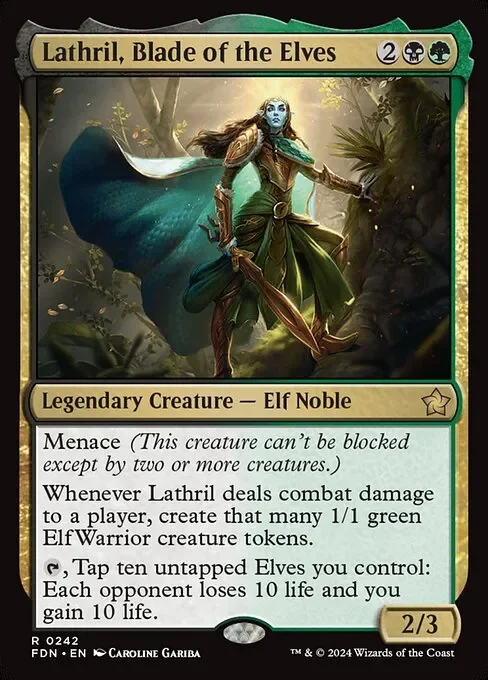
Built around Lathril, Blade of the Elves, this Golgari Commander deck combines Elf tribal development, creature-based mana acceleration, and token generation with targeted removal and multiple finishing options. Lathril rewards successful combat by creating Elf Warrior tokens, gradually establishing the board presence necessary to activate her ability and drain each opponent for 10 life. The deck supports this strategy through tribal enhancements, combat protection, and efficient creature deployment, creating a cohesive play experience centered on sustained board development.
Deck Overview
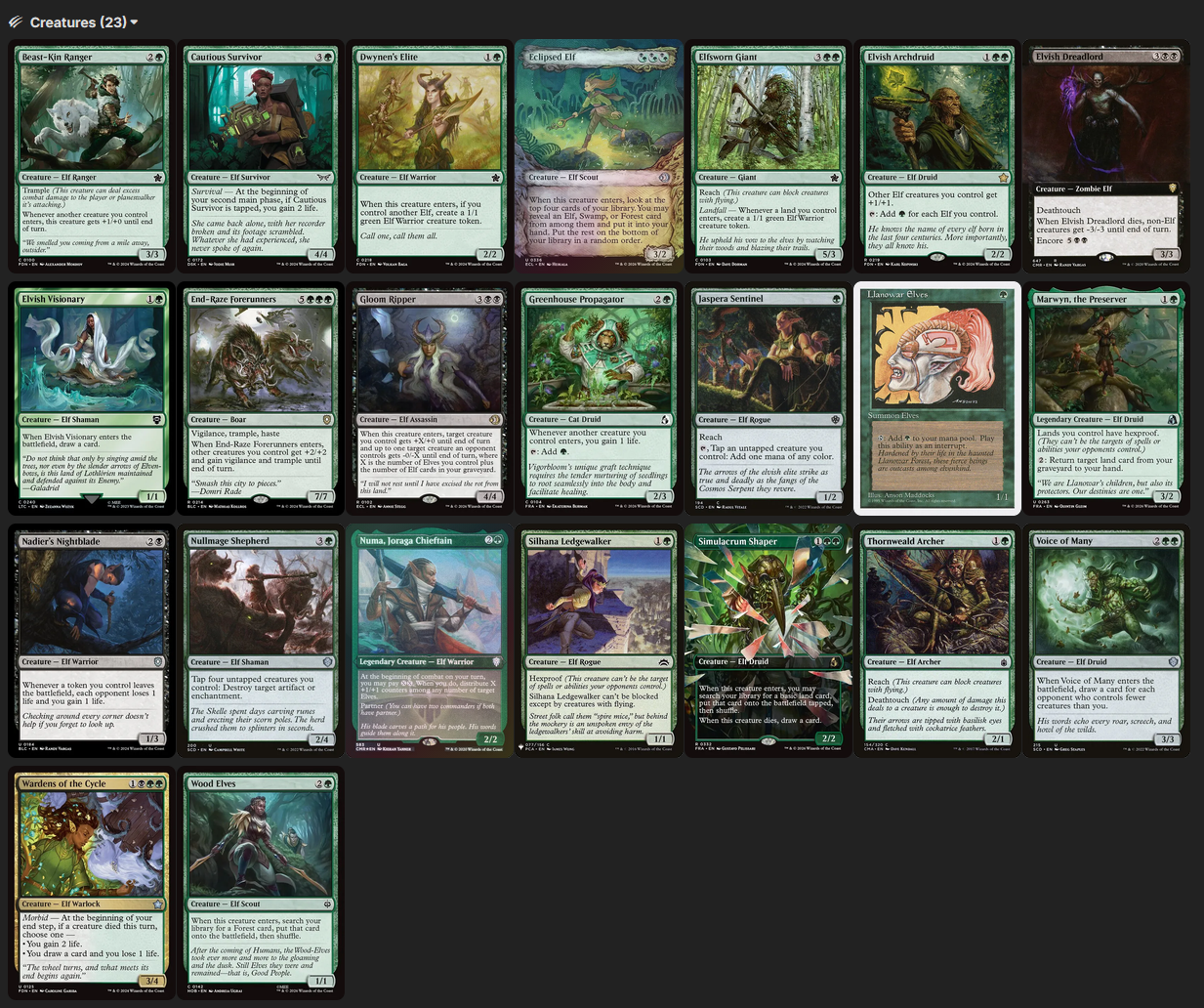
This build follows an Elf Tribal and Token-Based Midrange strategy, using early mana-producing creatures and tribal support to establish a growing battlefield. Cards such as Elvish Archdruid, Marwyn, the Preserver, Dwynen's Elite, and Numa, Joraga Chieftain reinforce the deck's Elf synergies while supporting both aggressive combat and Lathril's activated ability.
The deck also incorporates a secondary combat-focused approach, using equipment, Auras, and protective effects to help Lathril connect with opponents. This allows the deck to develop its token engine while maintaining access to direct combat damage and alternative finishing threats.
Key Strategic Elements
Elf Tribal Development and Token Generation
Lathril serves as the central token engine, producing 1/1 Elf Warriors whenever she deals combat damage to a player. Dwynen's Elite provides additional Elf bodies, while Elfsworn Giant creates further token support through its landfall ability.
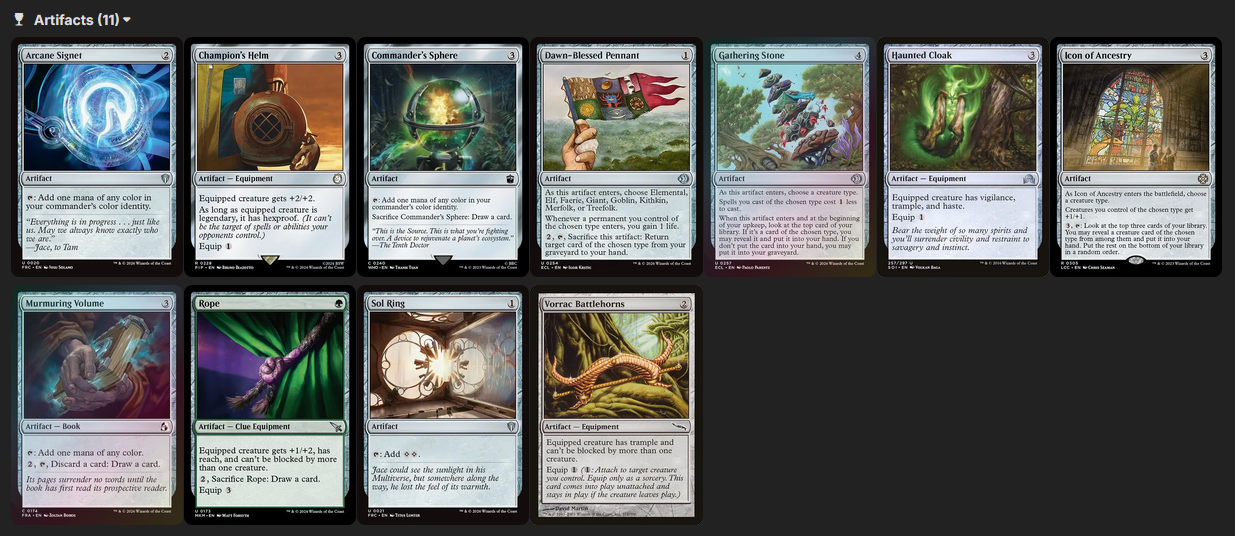
Elvish Archdruid strengthens the entire Elf army and converts an established tribal board into substantial green mana production. Numa, Joraga Chieftain provides additional scaling through +1/+1 counters, while Icon of Ancestry enhances Elf combat effectiveness and helps locate additional creatures.
Together, these effects allow individual creatures to contribute toward a larger, interconnected tribal strategy.
Mana Acceleration and Card Advantage
The deck uses Llanowar Elves, Jaspera Sentinel, Wood Elves, Cultivate, Sol Ring, and Arcane Signet to support early development and consistent access to its two colors.
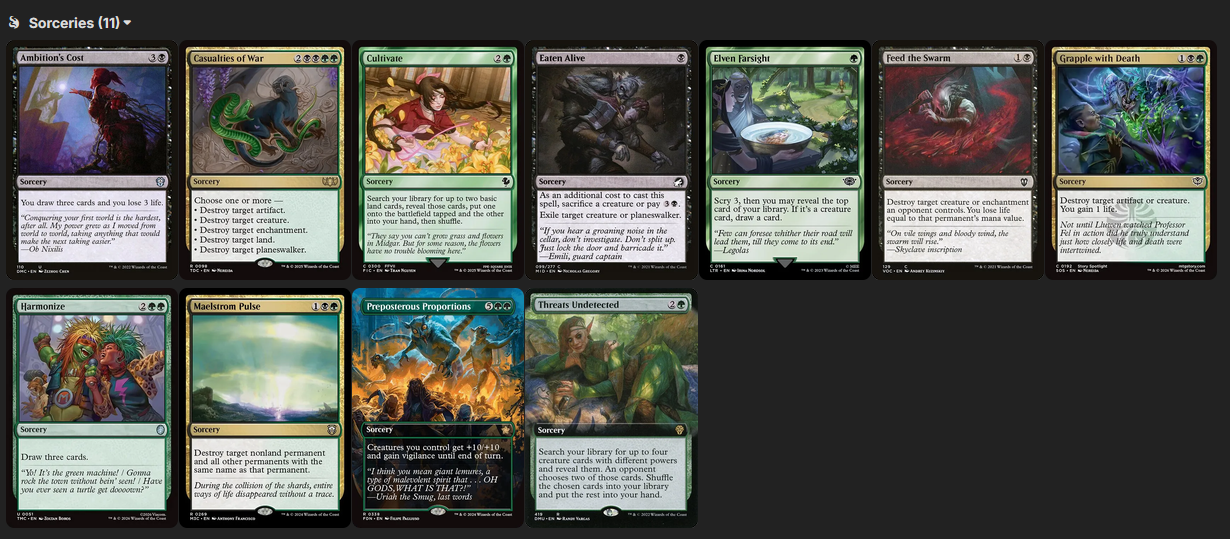
Elvish Visionary, Voice of Many, Harmonize, and Ambition's Cost provide card advantage, helping maintain momentum as creatures and support spells enter the battlefield.
Murmuring Volume and Commander's Sphere offer additional mana utility, while Elven Farsight provides card selection and potential creature access.
This combination supports a measured progression from early mana development into larger tribal threats and repeated token production.
Combat Enhancement and Commander Protection
Lathril's combat damage trigger becomes increasingly valuable when supported by evasion and power enhancements.
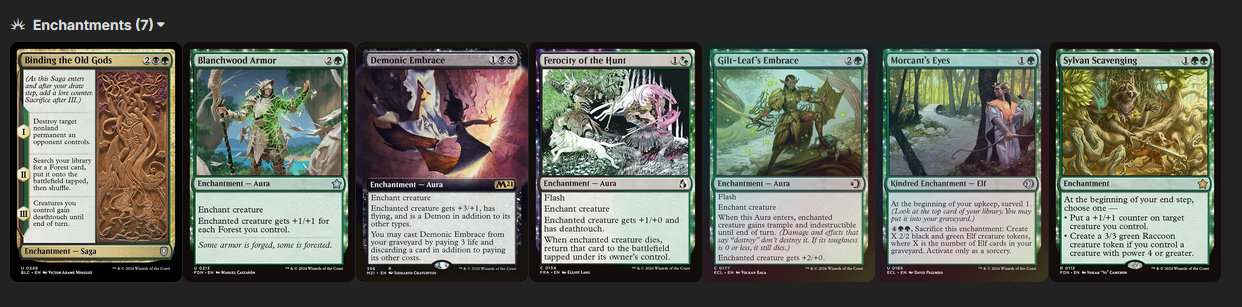
Blanchwood Armor, Demonic Embrace, Gilt-Leaf's Embrace, and Preposterous Proportions increase offensive pressure, allowing Lathril or another established creature to threaten significant combat damage.
Vorrac Battlehorns provides trample and restricts multi-creature blocking, interacting favorably with Lathril's natural menace. Haunted Cloak adds haste, vigilance, and trample, while Champion's Helm offers protection and additional power.
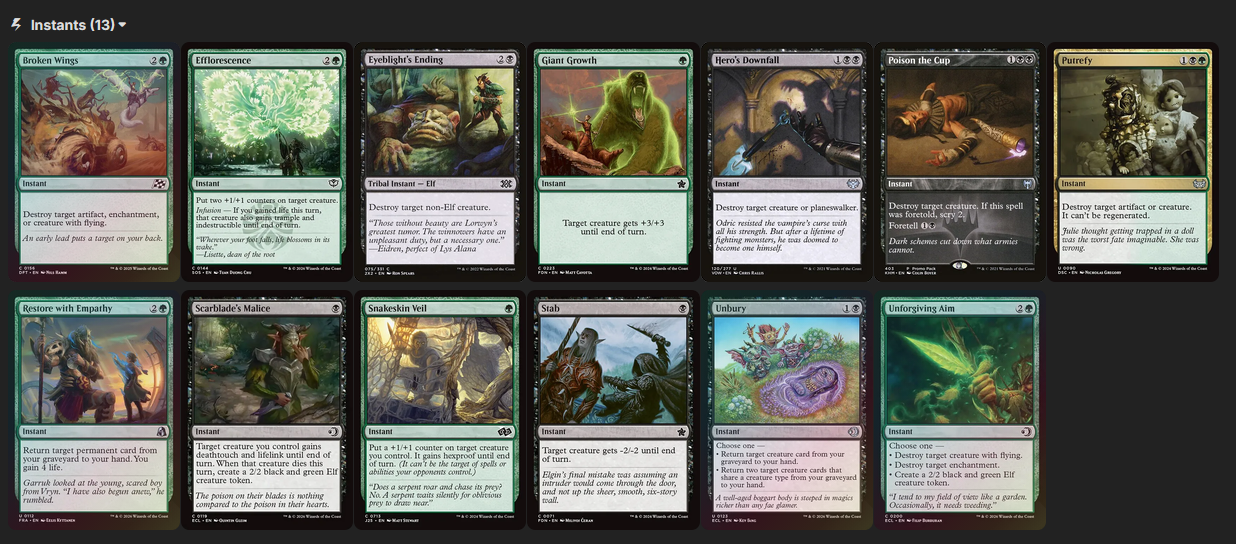
Snakeskin Veil and Efflorescence supply further defensive flexibility, helping preserve important creatures against targeted interaction.
Removal, Disruption, and Resilience
The deck incorporates a substantial Golgari interaction package to address opposing creatures, artifacts, enchantments, and other problematic permanents.
Putrefy, Maelstrom Pulse, Casualties of War, Binding the Old Gods, and Feed the Swarm provide flexible answers to opposing board states. Hero's Downfall, Poison the Cup, and Eyeblight's Ending offer additional creature-focused removal.
Nullmage Shepherd converts an established creature presence into repeatable artifact and enchantment removal, giving the deck another use for its growing Elf population.
For longer games, Memorial to Folly, Unbury, Restore with Empathy, and Sylvan Scavenging provide ways to recover or reuse resources, helping maintain pressure after opposing interaction.
Closing the Game
The deck features several complementary finishing strategies.
Lathril's activated ability is the primary tribal payoff, allowing ten untapped Elves to drain every opponent for 10 life while gaining 10 life for their controller. This creates a route to victory that does not depend on combat damage once the necessary board presence has been established.
End-Raze Forerunners provides an alternative combat finisher, granting the creature army trample, vigilance, and a substantial power increase. Elvish Archdruid, Numa, Joraga Chieftain, and Icon of Ancestry further support a creature-based victory through accumulated tribal advantages.
Nadier's Nightblade adds another source of life loss when tokens leave the battlefield, providing additional reach in games involving creature removal or token exchanges.
Build Philosophy
This Lathril deck is constructed around the relationship between Elf development, combat pressure, and resource management. Its creature package supports tribal growth, while the equipment and Aura selections give Lathril a more direct role in generating the tokens needed for her activated ability.
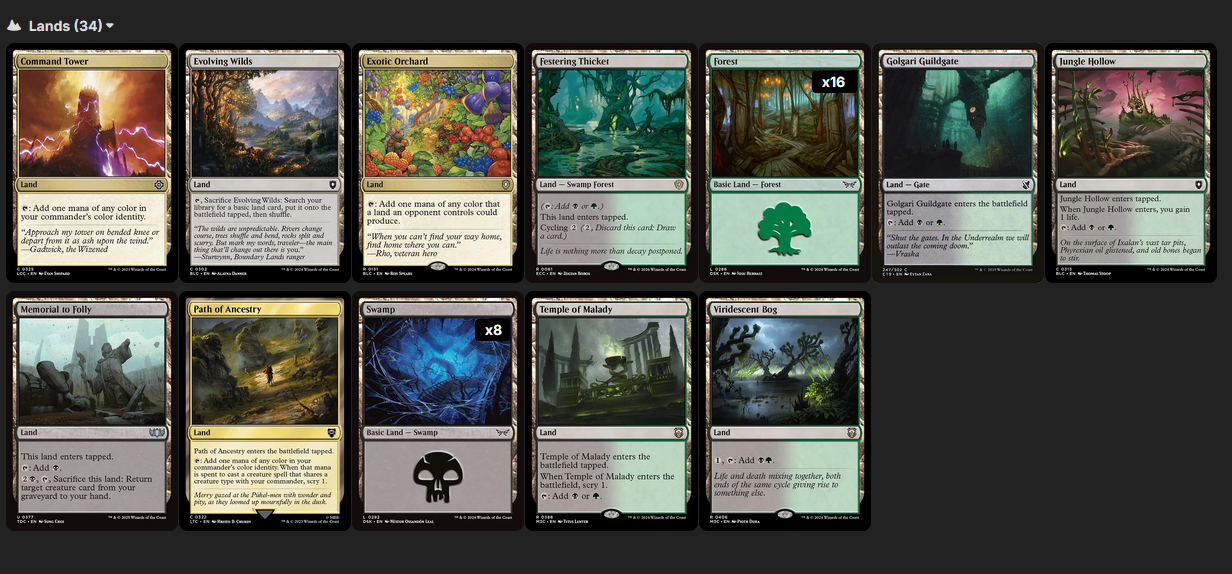
The black-green mana base supports the deck's dual-color requirements through lands such as Command Tower, Exotic Orchard, Temple of Malady, Path of Ancestry, and Jungle Hollow, complemented by green acceleration and mana-producing artifacts.
Rather than relying on a single finishing sequence, the build balances incremental tribal advantages, selective interaction, commander-based combat, and late-game finishing threats. Its construction emphasizes purposeful card roles, flexible sequencing, and multiple ways to translate battlefield development into a win condition.
Technical Details
100-card singleton Commander deck, legal for EDH
All cards in Near Mint to Lightly Played condition
Professionally sleeved and ready to play
Built for consistent performance and strategic depth
Ideal For Players Who:
Enjoy Golgari Elf tribal strategies built around token generation, creature synergies, and life drain.
Prefer creature-focused Commander decks with meaningful combat decisions and versatile removal.
Appreciate cohesive tribal builds with multiple paths to victory and sustained midrange development.
No results found
No results match your search. Try removing a few filters.