Disa the Restless leads a Jund graveyard deck built around Lhurgoyfs, self-mill, creature recursion, and combat-driven value. The deck deliberately fills graveyards to increase the size of its primary threats while using Disa to convert milled or discarded Lhurgoyfs directly into battlefield presence.
The result is a layered graveyard strategy that can develop through conventional casting, recursive value, or explosive sequences that place multiple creatures directly onto the battlefield. Combat is equally important: every opponent reached in combat can produce another Tarmogoyf token, allowing the deck to turn early graveyard development into a steadily expanding board.
Deck Overview
This build combines Lhurgoyf typal synergy, graveyard value, self-mill, and Jund midrange interaction. Cards such as Lhurgoyf, Mortivore, Necrogoyf, Cosmogoyf, Polygoyf, and Pyrogoyf reward the deck for stocking graveyards, while Stitcher's Supplier, Satyr Wayfinder, Grisly Salvage, Buried Alive, Faithless Looting, and Stinkweed Imp provide efficient ways to establish that resource.
Conspiracy is one of the deck's most significant synergy pieces. Naming Lhurgoyf causes creature cards outside the battlefield to carry the relevant creature type, allowing Disa to turn future milling and discard effects into a much broader deployment engine. This interaction is supported by a separate recursion package for creatures that actually die from the battlefield, where Disa's first ability does not apply.
Key Strategic Elements
Graveyard Setup and Lhurgoyf Engines
The deck actively develops its graveyard rather than waiting for normal game actions to fill it. Stitcher's Supplier, Satyr Wayfinder, Grisly Salvage, Grapple with the Past, Faithless Looting, Thrill of Possibility, Shigeki, Jukai Visionary, and Stinkweed Imp create a steady flow of cards into the graveyard while maintaining card selection or additional utility.
That setup directly improves threats such as Lhurgoyf, Mortivore, Necrogoyf, Cosmogoyf, and Pyrogoyf, allowing the deck's creatures to scale naturally as the game progresses.
Disa, Conspiracy, and Typal Synergy
Disa immediately returns a Lhurgoyf permanent card that reaches the graveyard from somewhere other than the battlefield. Natural Lhurgoyfs and changelings such as Graveshifter and Realmwalker therefore interact especially well with the deck's milling and discard effects.
Conspiracy expands that interaction substantially by naming Lhurgoyf and applying the type to the deck's creature cards outside the battlefield. Once established, effects such as Buried Alive and the deck's self-mill package can function as direct deployment tools rather than simply graveyard setup.
Combat Pressure and Token Production
Disa's second ability rewards connecting with opponents by creating Tarmogoyf tokens, giving the deck a repeatable way to translate combat into additional threats. Polygoyf is particularly well suited to this plan because myriad can pressure multiple opponents during the same combat.
Anger and Brawn reward being placed into the graveyard by granting haste and trample respectively, while Garruk's Uprising, Kessig Wolf Run, and Rogue's Passage help large creatures convert their size into meaningful combat damage. Professional Face-Breaker and The Reaver Cleaver further reward successful attacks by producing Treasure and extending the deck's ability to develop after combat.
Recursion, Control, and Resilience
Because Disa does not trigger when a Lhurgoyf dies from the battlefield, the deck includes independent recursion through Dread Return, Victimize, Oversold Cemetery, Deadbridge Chant, Graveshifter, and Shigeki, Jukai Visionary. This allows important creatures to remain relevant after removal and gives the deck additional ways to rebuild.
Interaction is spread across several permanent types. Assassin's Trophy, Terminate, Maelstrom Pulse, Haywire Mite, Blasphemous Act, Culling Ritual, and Final Act address opposing boards, while Red Elemental Blast and Veil of Summer provide efficient protection or disruption in common Commander exchanges. Grist, the Hunger Tide reinforces the graveyard plan while providing repeatable creature production and removal.
Closing the Game
The deck is designed to win through accumulated graveyard advantage rather than depending on a single line. Large Tarmogoyf tokens, Mortivore, Necrogoyf, Lhurgoyf, Cosmogoyf, and Polygoyf create substantial combat pressure as graveyards grow.
Pyrogoyf converts additional Lhurgoyf entries into direct damage, while Grist, the Hunger Tide can turn a heavily stocked creature graveyard into life loss across the entire table. Trample from Brawn, Garruk's Uprising, Altar of the Goyf, and Kessig Wolf Run ensures that increasing creature size remains relevant even against developed boards.
Build Philosophy
This Disa build is structured so that graveyard development, creature scaling, and combat progression reinforce one another. Self-mill is not included solely as setup: it can generate immediate Disa triggers, improve Lhurgoyf statistics, enable recursion, and place utility cards such as Anger and Brawn where their abilities become active.
The mana base combines efficient fixing, land-based utility, and artifact acceleration through Sol Ring, Arcane Signet, Fellwar Stone, the three Jund Talismans, Cultivate, Farseek, Rampant Growth, Sakura-Tribe Elder, and Llanowar Elves. The overall construction maintains a balance between proactive graveyard development, interaction, recovery, and methods of converting an established board into a finish.
Technical Details
100-card singleton Commander deck, legal for EDH
All cards in Near Mint to Lightly Played condition
Professionally sleeved and ready to play
Built for consistent performance and strategic depth
Ideal For Players Who:
Enjoy Jund graveyard decks built around self-mill, recursion, and scalable creatures
Prefer typal strategies with interactions extending beyond conventional tribal support
Appreciate Commander decks that combine graveyard engines with midrange combat and flexible interaction
Disa the Restless leads a Jund graveyard deck built around Lhurgoyfs, self-mill, creature recursion, and combat-driven value. The deck deliberately fills graveyards to increase the size of its primary threats while using Disa to convert milled or discarded Lhurgoyfs directly into battlefield presence.
The result is a layered graveyard strategy that can develop through conventional casting, recursive value, or explosive sequences that place multiple creatures directly onto the battlefield. Combat is equally important: every opponent reached in combat can produce another Tarmogoyf token, allowing the deck to turn early graveyard development into a steadily expanding board.
Deck Overview
This build combines Lhurgoyf typal synergy, graveyard value, self-mill, and Jund midrange interaction. Cards such as Lhurgoyf, Mortivore, Necrogoyf, Cosmogoyf, Polygoyf, and Pyrogoyf reward the deck for stocking graveyards, while Stitcher's Supplier, Satyr Wayfinder, Grisly Salvage, Buried Alive, Faithless Looting, and Stinkweed Imp provide efficient ways to establish that resource.
Conspiracy is one of the deck's most significant synergy pieces. Naming Lhurgoyf causes creature cards outside the battlefield to carry the relevant creature type, allowing Disa to turn future milling and discard effects into a much broader deployment engine. This interaction is supported by a separate recursion package for creatures that actually die from the battlefield, where Disa's first ability does not apply.
Key Strategic Elements
Graveyard Setup and Lhurgoyf Engines
The deck actively develops its graveyard rather than waiting for normal game actions to fill it. Stitcher's Supplier, Satyr Wayfinder, Grisly Salvage, Grapple with the Past, Faithless Looting, Thrill of Possibility, Shigeki, Jukai Visionary, and Stinkweed Imp create a steady flow of cards into the graveyard while maintaining card selection or additional utility.
That setup directly improves threats such as Lhurgoyf, Mortivore, Necrogoyf, Cosmogoyf, and Pyrogoyf, allowing the deck's creatures to scale naturally as the game progresses.
Disa, Conspiracy, and Typal Synergy
Disa immediately returns a Lhurgoyf permanent card that reaches the graveyard from somewhere other than the battlefield. Natural Lhurgoyfs and changelings such as Graveshifter and Realmwalker therefore interact especially well with the deck's milling and discard effects.
Conspiracy expands that interaction substantially by naming Lhurgoyf and applying the type to the deck's creature cards outside the battlefield. Once established, effects such as Buried Alive and the deck's self-mill package can function as direct deployment tools rather than simply graveyard setup.
Combat Pressure and Token Production
Disa's second ability rewards connecting with opponents by creating Tarmogoyf tokens, giving the deck a repeatable way to translate combat into additional threats. Polygoyf is particularly well suited to this plan because myriad can pressure multiple opponents during the same combat.
Anger and Brawn reward being placed into the graveyard by granting haste and trample respectively, while Garruk's Uprising, Kessig Wolf Run, and Rogue's Passage help large creatures convert their size into meaningful combat damage. Professional Face-Breaker and The Reaver Cleaver further reward successful attacks by producing Treasure and extending the deck's ability to develop after combat.
Recursion, Control, and Resilience
Because Disa does not trigger when a Lhurgoyf dies from the battlefield, the deck includes independent recursion through Dread Return, Victimize, Oversold Cemetery, Deadbridge Chant, Graveshifter, and Shigeki, Jukai Visionary. This allows important creatures to remain relevant after removal and gives the deck additional ways to rebuild.
Interaction is spread across several permanent types. Assassin's Trophy, Terminate, Maelstrom Pulse, Haywire Mite, Blasphemous Act, Culling Ritual, and Final Act address opposing boards, while Red Elemental Blast and Veil of Summer provide efficient protection or disruption in common Commander exchanges. Grist, the Hunger Tide reinforces the graveyard plan while providing repeatable creature production and removal.
Closing the Game
The deck is designed to win through accumulated graveyard advantage rather than depending on a single line. Large Tarmogoyf tokens, Mortivore, Necrogoyf, Lhurgoyf, Cosmogoyf, and Polygoyf create substantial combat pressure as graveyards grow.
Pyrogoyf converts additional Lhurgoyf entries into direct damage, while Grist, the Hunger Tide can turn a heavily stocked creature graveyard into life loss across the entire table. Trample from Brawn, Garruk's Uprising, Altar of the Goyf, and Kessig Wolf Run ensures that increasing creature size remains relevant even against developed boards.
Build Philosophy
This Disa build is structured so that graveyard development, creature scaling, and combat progression reinforce one another. Self-mill is not included solely as setup: it can generate immediate Disa triggers, improve Lhurgoyf statistics, enable recursion, and place utility cards such as Anger and Brawn where their abilities become active.
The mana base combines efficient fixing, land-based utility, and artifact acceleration through Sol Ring, Arcane Signet, Fellwar Stone, the three Jund Talismans, Cultivate, Farseek, Rampant Growth, Sakura-Tribe Elder, and Llanowar Elves. The overall construction maintains a balance between proactive graveyard development, interaction, recovery, and methods of converting an established board into a finish.
Technical Details
100-card singleton Commander deck, legal for EDH
All cards in Near Mint to Lightly Played condition
Professionally sleeved and ready to play
Built for consistent performance and strategic depth
Ideal For Players Who:
Enjoy Jund graveyard decks built around self-mill, recursion, and scalable creatures
Prefer typal strategies with interactions extending beyond conventional tribal support
Appreciate Commander decks that combine graveyard engines with midrange combat and flexible interaction


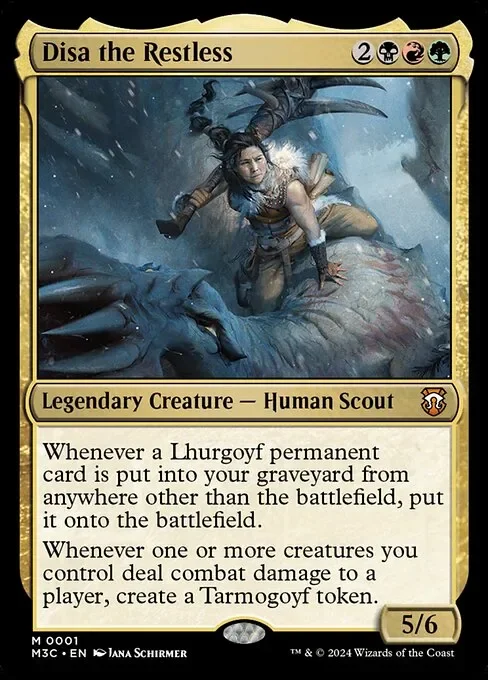 Image 1 of 9
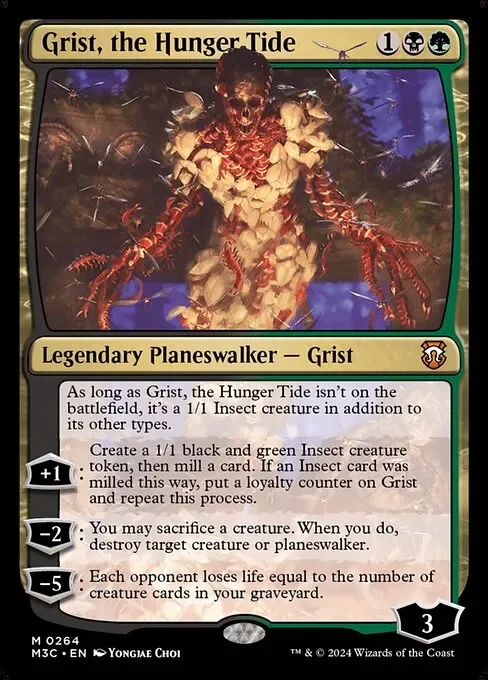 Image 2 of 9
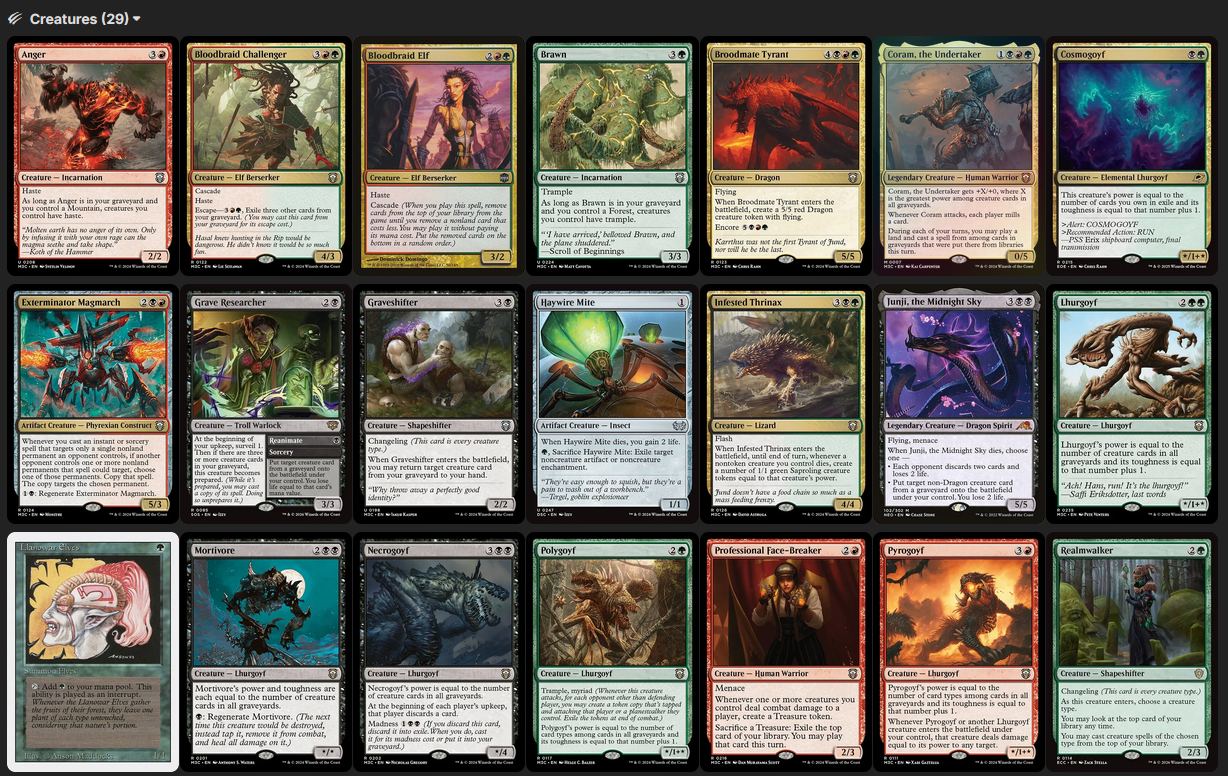 Image 3 of 9
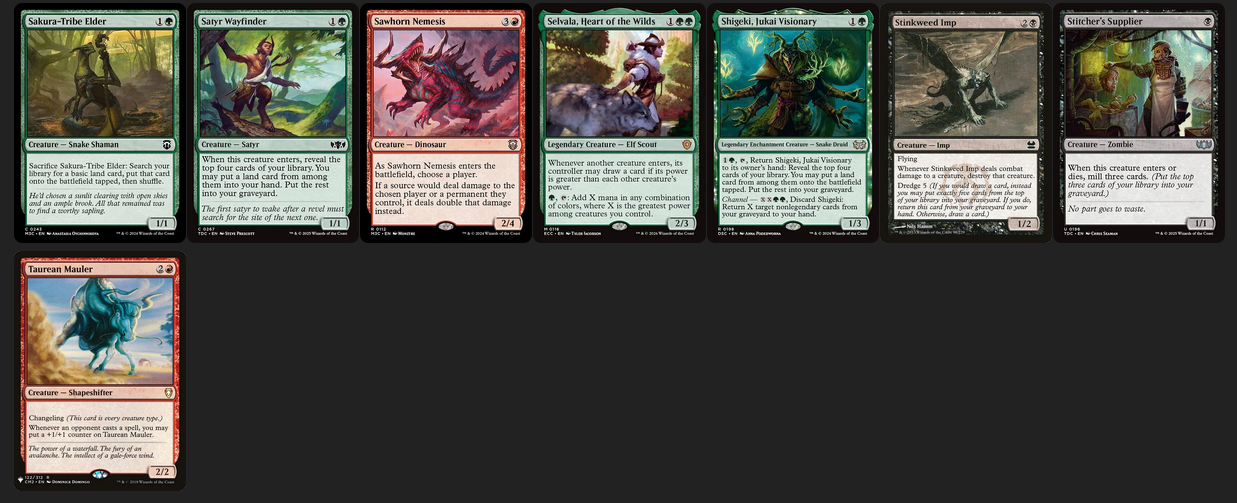 Image 4 of 9
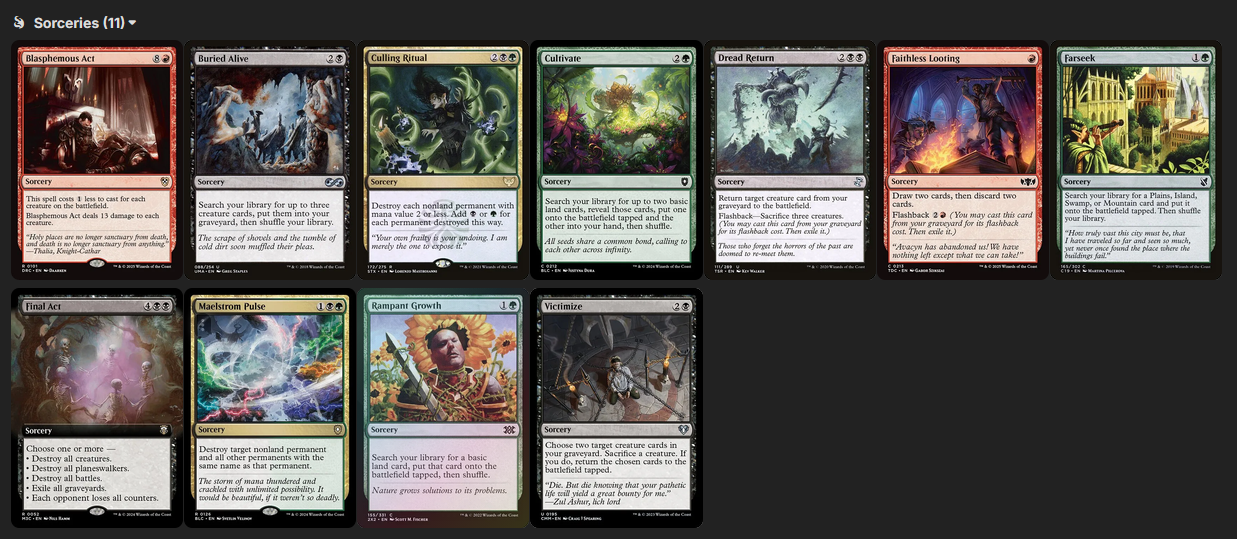 Image 5 of 9
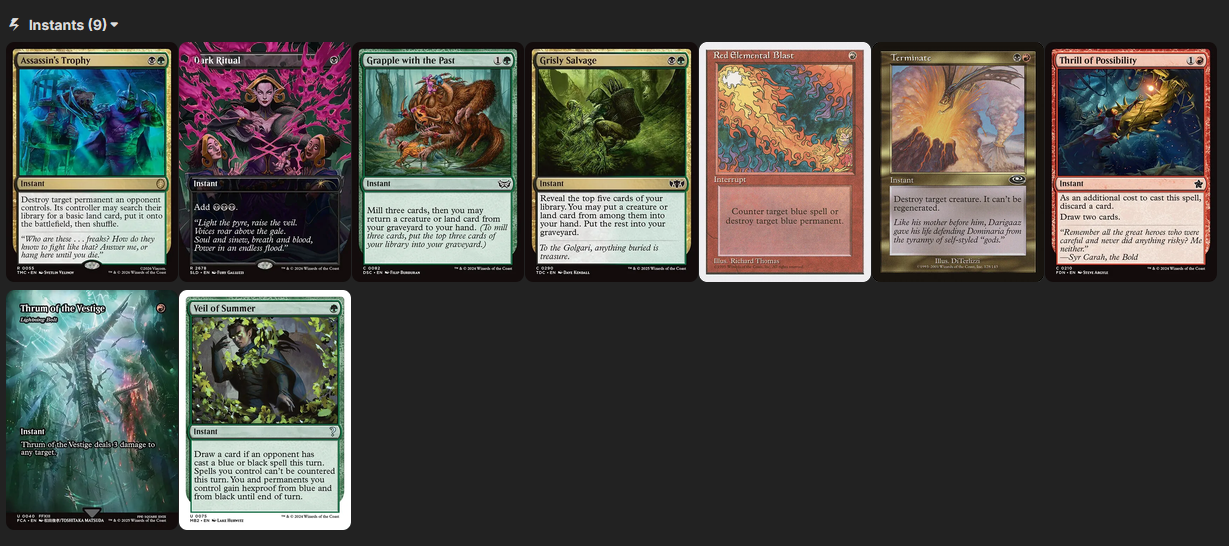 Image 6 of 9
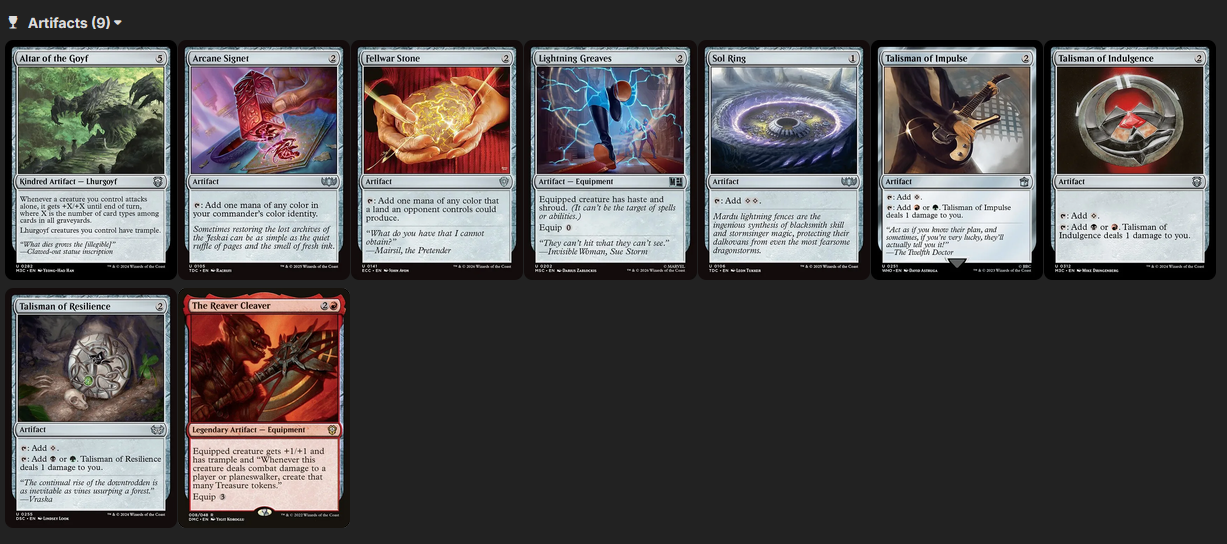 Image 7 of 9
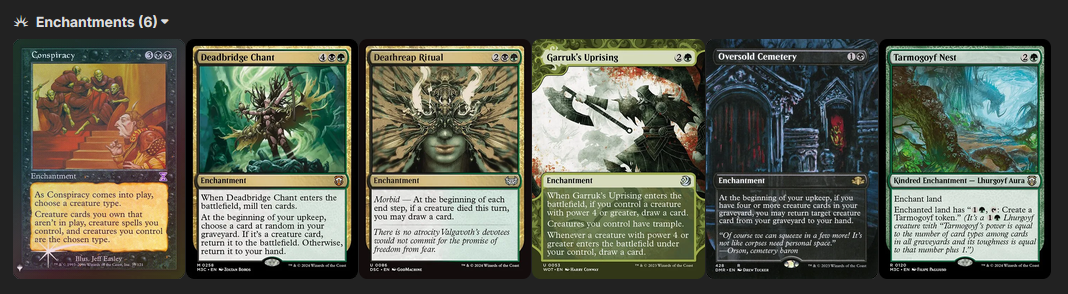 Image 8 of 9
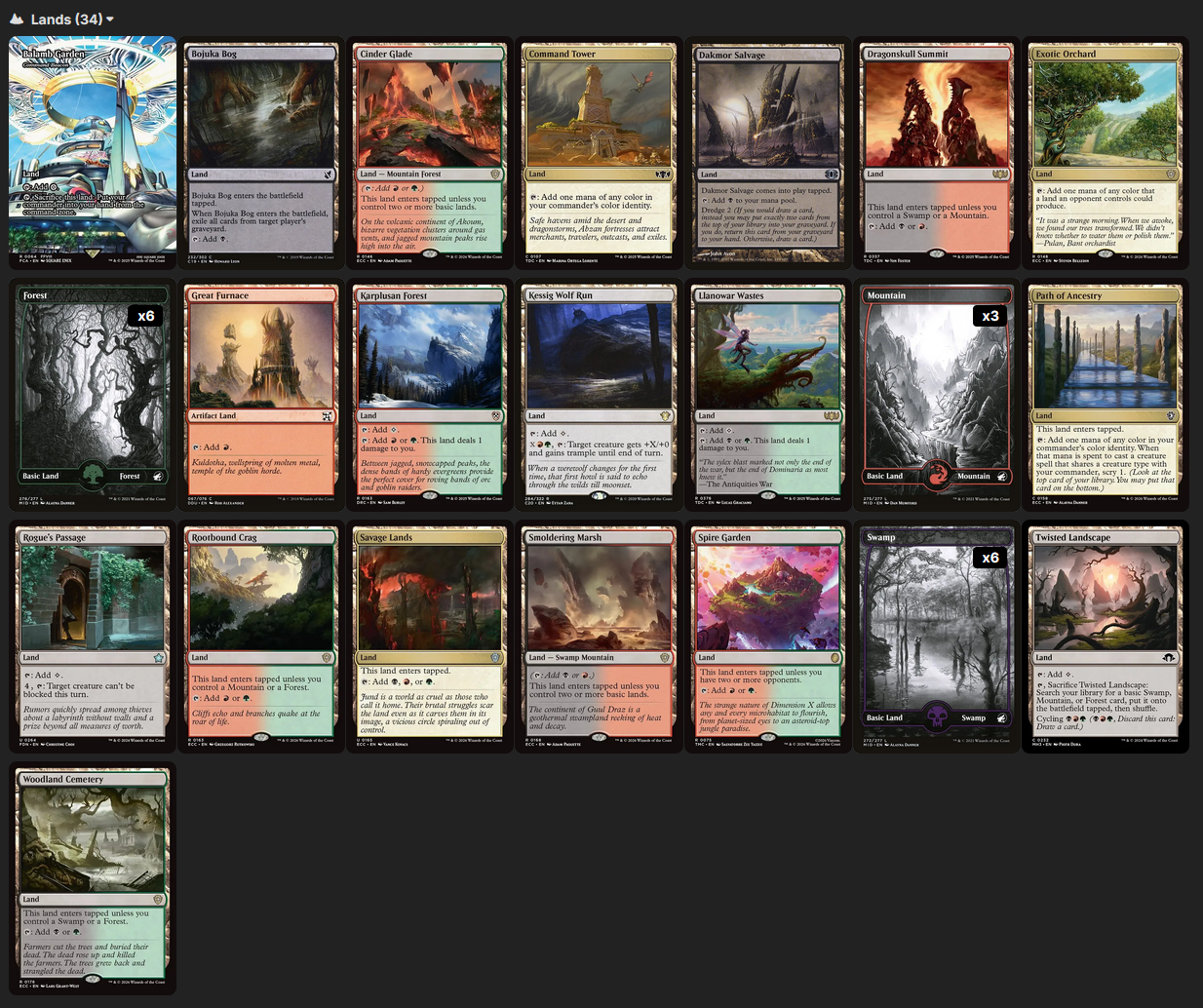 Image 9 of 9