Yuma, Proud Protector leads a Naya land-based strategy built around placing Deserts and other lands into the graveyard, recurring them for value, and converting those exchanges into a steady supply of 4/2 Plant Warrior tokens. Self-mill, land sacrifice, and land recursion operate as interconnected resources, allowing the deck to build pressure while maintaining access to cards from both the library and graveyard.
The deck combines a Desert-focused engine with landfall payoffs, token support, and resilient graveyard play. Rather than relying on a single explosive sequence, it develops through repeatable land interactions that continually advance the board.
Deck Overview
Yuma functions as both the deck’s primary token engine and an efficient late-game threat. Cards such as Eccentric Farmer, Satyr Wayfinder, Perpetual Timepiece, and Crawling Sensation stock the graveyard, helping reduce Yuma’s casting cost while placing lands where they can generate additional value.
The deck’s broader land package supports several complementary threats. Titania, Protector of Argoth rewards land sacrifice with Elemental tokens, Omnath, Locus of Rage converts landfall into additional creatures and removal pressure, and Nesting Dragon creates a growing reserve of Dragon Egg tokens. Multani, Yavimaya’s Avatar provides a scalable recurring threat that benefits from the deck’s high land density.
Key Strategic Elements
Graveyard and Desert Development
The deck deliberately moves lands into the graveyard through self-mill, cycling, sacrifice effects, and discard. Shefet Monitor, Grasping Dunes, Harrow, Myriad Landscape, and the fetch-land package naturally place lands into the graveyard, while Cathartic Reunion, Grapple with the Past, and Midnight Tilling provide additional selection and setup.
Each Desert entering the graveyard can trigger Yuma’s Plant Warrior production, turning routine resource exchanges into meaningful board development.
Land Recursion and Reuse
A substantial recursion package allows sacrificed or milled lands to remain active resources. Scaretiller returns lands whenever it becomes tapped, while Rite of Renewal, Rapid Rescue, and Sun Titan recover important permanents. Gaea’s Will offers a broader recovery turn, enabling the deck to replay lands and spells from the graveyard.
Kirri, Talented Sprout supports both the Plant token plan and the graveyard engine by strengthening Plant creatures and returning lands or Plants during combat.
Landfall and Token Production
The deck produces threats through several overlapping engines. Yuma creates 4/2 Plant Warriors, Titania creates 5/3 Elementals, Omnath produces 5/5 Elementals, and Nesting Dragon turns landfall triggers into delayed flying threats.
Crawling Sensation adds Insect production when lands enter the graveyard, while Formless Genesis can create a creature whose size reflects the deck’s developed graveyard. This variety makes the board difficult to contain with single-target interaction.
Token Support and Board Pressure
Intangible Virtue grants the deck’s creature tokens additional power and vigilance, allowing them to attack without fully surrendering defensive positioning. Hammer of Purphoros gives creatures haste and can convert excess lands into additional threats, while Marshal’s Anthem strengthens the board and returns creatures from the graveyard.
Annie Joins Up enhances the deck’s legendary permanent triggers, increasing the value generated by Yuma, Titania, Omnath, and other central pieces.
Control and Resilience
The interaction suite covers creatures, artifacts, enchantments, and wide boards. Abrade, Bovine Intervention, Requisition Raid, and Wreck and Rebuild provide efficient targeted answers, while Decimate can remove several permanent types at once.
Austere Command offers flexible battlefield management, and Descend upon the Sinful provides a full creature reset when opposing boards become unmanageable. Because much of the deck’s value is stored in lands, graveyard resources, and repeatable token engines, it can rebuild effectively after removal.
Closing the Game
The deck closes games by accumulating multiple large tokens and scalable land-based threats. Haste from Hammer of Purphoros or Anger reduces the time opponents have to respond, while Intangible Virtue and Marshal’s Anthem increase the combat efficiency of a developed token board.
Yuma’s Plant Warriors provide consistent pressure, and the secondary engines ensure that the deck can continue producing threats even when the commander is removed.
Build Philosophy
This build is structured around the principle that lands remain useful at every stage of the game. They provide early mana development, become graveyard resources through sacrifice and self-mill, and later return through recursion effects to trigger landfall or support another round of value generation.
Ramp, self-mill, recursion, token production, and interaction are distributed throughout the list to create consistent sequencing. The Naya mana base includes fixing, fetch lands, cycling lands, bounce lands, and utility Deserts, ensuring that its lands contribute directly to the deck’s central strategy rather than functioning solely as mana sources.
Technical Details
100-card singleton Commander deck, legal for EDH
All cards in Near Mint to Lightly Played condition
Professionally sleeved and ready to play
Built for consistent performance and strategic depth
Ideal For Players Who:
Enjoy land-focused decks built around graveyard value and resource recursion
Prefer token strategies with multiple overlapping production engines
Appreciate Commander builds that turn land sacrifice and self-mill into sustained board advantage
Yuma, Proud Protector leads a Naya land-based strategy built around placing Deserts and other lands into the graveyard, recurring them for value, and converting those exchanges into a steady supply of 4/2 Plant Warrior tokens. Self-mill, land sacrifice, and land recursion operate as interconnected resources, allowing the deck to build pressure while maintaining access to cards from both the library and graveyard.
The deck combines a Desert-focused engine with landfall payoffs, token support, and resilient graveyard play. Rather than relying on a single explosive sequence, it develops through repeatable land interactions that continually advance the board.
Deck Overview
Yuma functions as both the deck’s primary token engine and an efficient late-game threat. Cards such as Eccentric Farmer, Satyr Wayfinder, Perpetual Timepiece, and Crawling Sensation stock the graveyard, helping reduce Yuma’s casting cost while placing lands where they can generate additional value.
The deck’s broader land package supports several complementary threats. Titania, Protector of Argoth rewards land sacrifice with Elemental tokens, Omnath, Locus of Rage converts landfall into additional creatures and removal pressure, and Nesting Dragon creates a growing reserve of Dragon Egg tokens. Multani, Yavimaya’s Avatar provides a scalable recurring threat that benefits from the deck’s high land density.
Key Strategic Elements
Graveyard and Desert Development
The deck deliberately moves lands into the graveyard through self-mill, cycling, sacrifice effects, and discard. Shefet Monitor, Grasping Dunes, Harrow, Myriad Landscape, and the fetch-land package naturally place lands into the graveyard, while Cathartic Reunion, Grapple with the Past, and Midnight Tilling provide additional selection and setup.
Each Desert entering the graveyard can trigger Yuma’s Plant Warrior production, turning routine resource exchanges into meaningful board development.
Land Recursion and Reuse
A substantial recursion package allows sacrificed or milled lands to remain active resources. Scaretiller returns lands whenever it becomes tapped, while Rite of Renewal, Rapid Rescue, and Sun Titan recover important permanents. Gaea’s Will offers a broader recovery turn, enabling the deck to replay lands and spells from the graveyard.
Kirri, Talented Sprout supports both the Plant token plan and the graveyard engine by strengthening Plant creatures and returning lands or Plants during combat.
Landfall and Token Production
The deck produces threats through several overlapping engines. Yuma creates 4/2 Plant Warriors, Titania creates 5/3 Elementals, Omnath produces 5/5 Elementals, and Nesting Dragon turns landfall triggers into delayed flying threats.
Crawling Sensation adds Insect production when lands enter the graveyard, while Formless Genesis can create a creature whose size reflects the deck’s developed graveyard. This variety makes the board difficult to contain with single-target interaction.
Token Support and Board Pressure
Intangible Virtue grants the deck’s creature tokens additional power and vigilance, allowing them to attack without fully surrendering defensive positioning. Hammer of Purphoros gives creatures haste and can convert excess lands into additional threats, while Marshal’s Anthem strengthens the board and returns creatures from the graveyard.
Annie Joins Up enhances the deck’s legendary permanent triggers, increasing the value generated by Yuma, Titania, Omnath, and other central pieces.
Control and Resilience
The interaction suite covers creatures, artifacts, enchantments, and wide boards. Abrade, Bovine Intervention, Requisition Raid, and Wreck and Rebuild provide efficient targeted answers, while Decimate can remove several permanent types at once.
Austere Command offers flexible battlefield management, and Descend upon the Sinful provides a full creature reset when opposing boards become unmanageable. Because much of the deck’s value is stored in lands, graveyard resources, and repeatable token engines, it can rebuild effectively after removal.
Closing the Game
The deck closes games by accumulating multiple large tokens and scalable land-based threats. Haste from Hammer of Purphoros or Anger reduces the time opponents have to respond, while Intangible Virtue and Marshal’s Anthem increase the combat efficiency of a developed token board.
Yuma’s Plant Warriors provide consistent pressure, and the secondary engines ensure that the deck can continue producing threats even when the commander is removed.
Build Philosophy
This build is structured around the principle that lands remain useful at every stage of the game. They provide early mana development, become graveyard resources through sacrifice and self-mill, and later return through recursion effects to trigger landfall or support another round of value generation.
Ramp, self-mill, recursion, token production, and interaction are distributed throughout the list to create consistent sequencing. The Naya mana base includes fixing, fetch lands, cycling lands, bounce lands, and utility Deserts, ensuring that its lands contribute directly to the deck’s central strategy rather than functioning solely as mana sources.
Technical Details
100-card singleton Commander deck, legal for EDH
All cards in Near Mint to Lightly Played condition
Professionally sleeved and ready to play
Built for consistent performance and strategic depth
Ideal For Players Who:
Enjoy land-focused decks built around graveyard value and resource recursion
Prefer token strategies with multiple overlapping production engines
Appreciate Commander builds that turn land sacrifice and self-mill into sustained board advantage


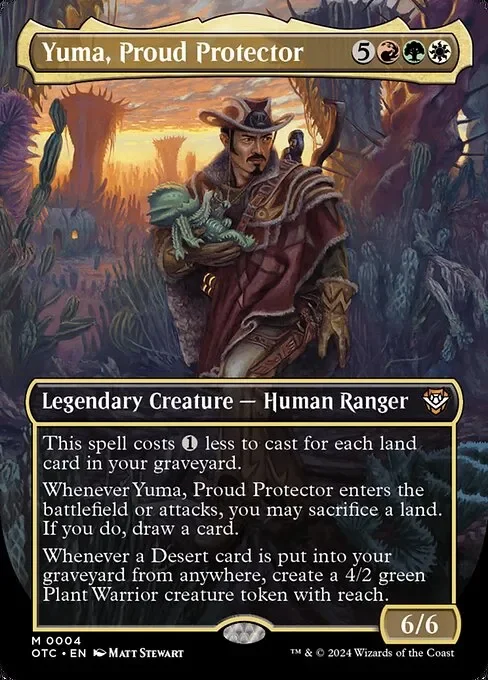 Image 1 of 7
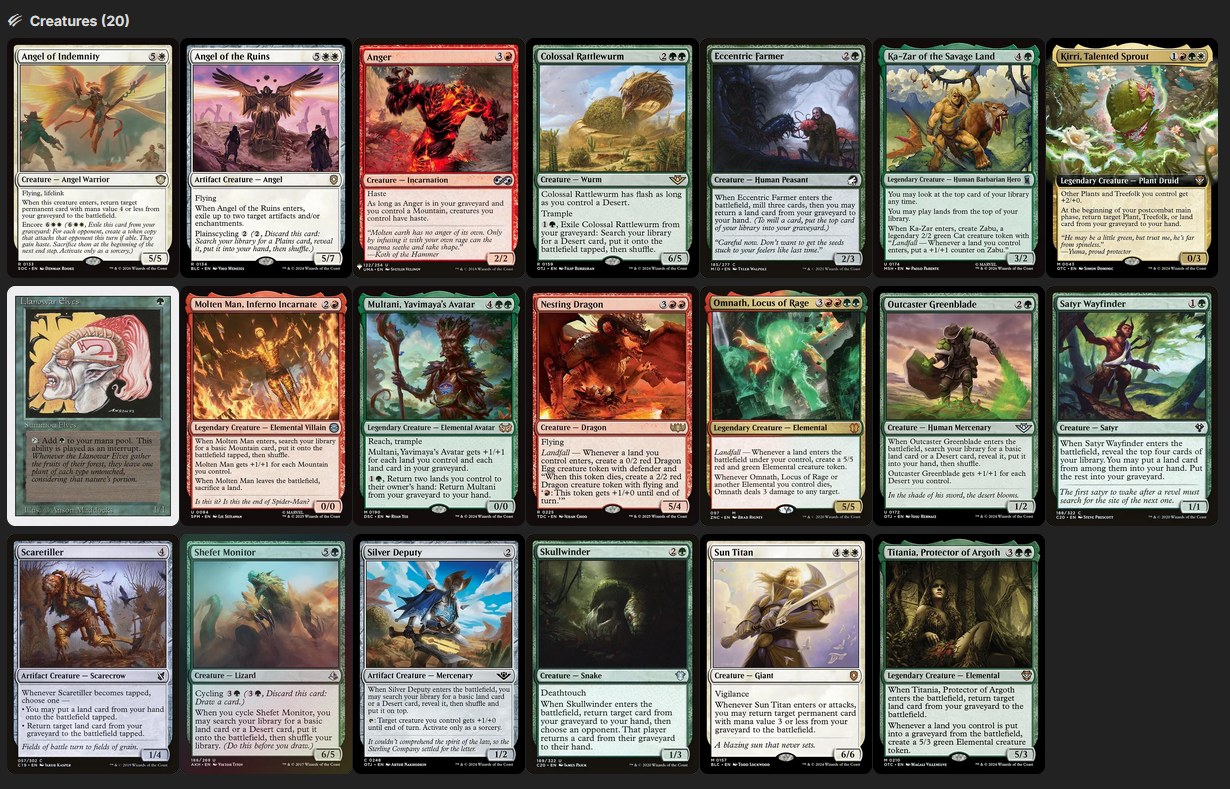 Image 2 of 7
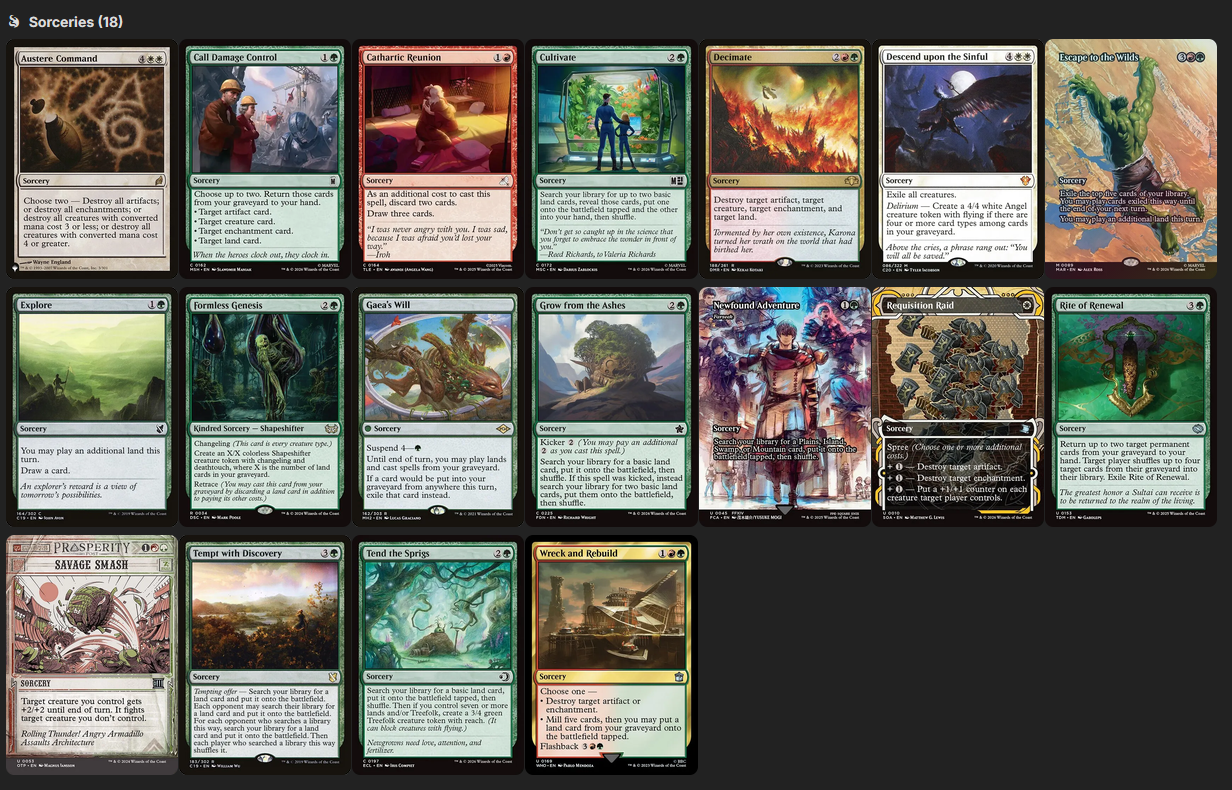 Image 3 of 7
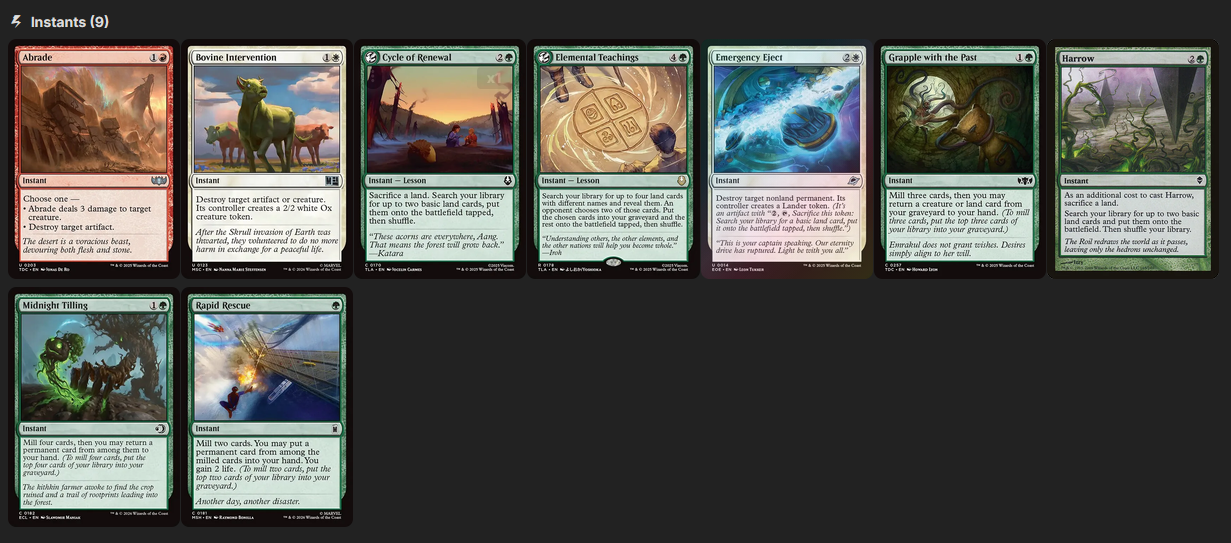 Image 4 of 7
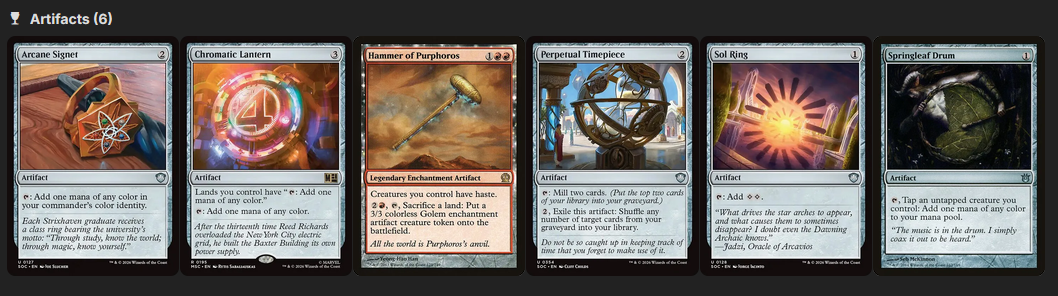 Image 5 of 7
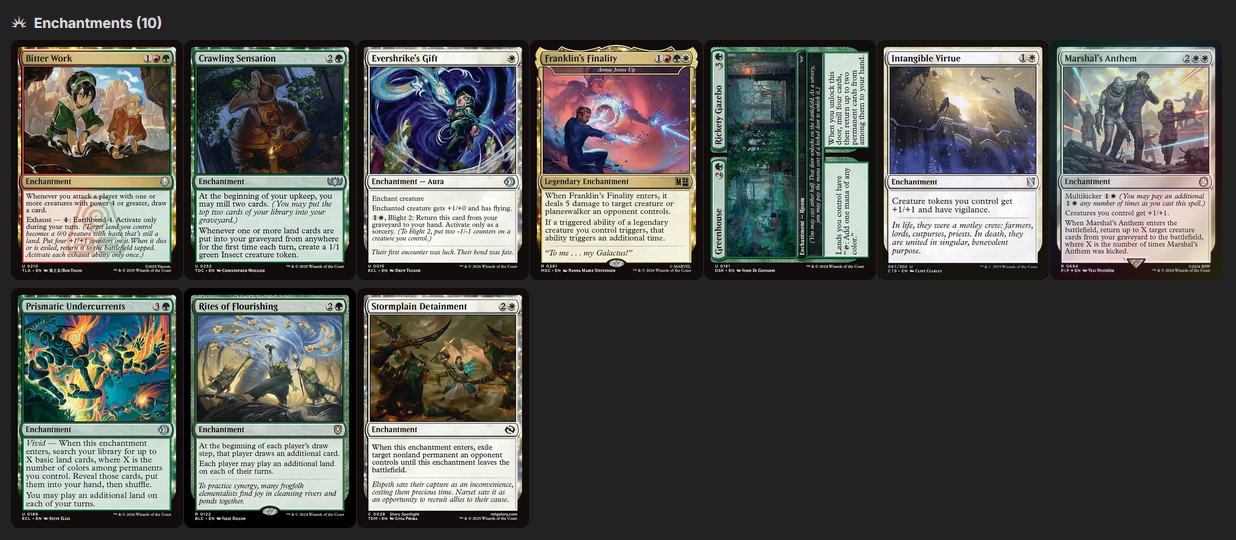 Image 6 of 7
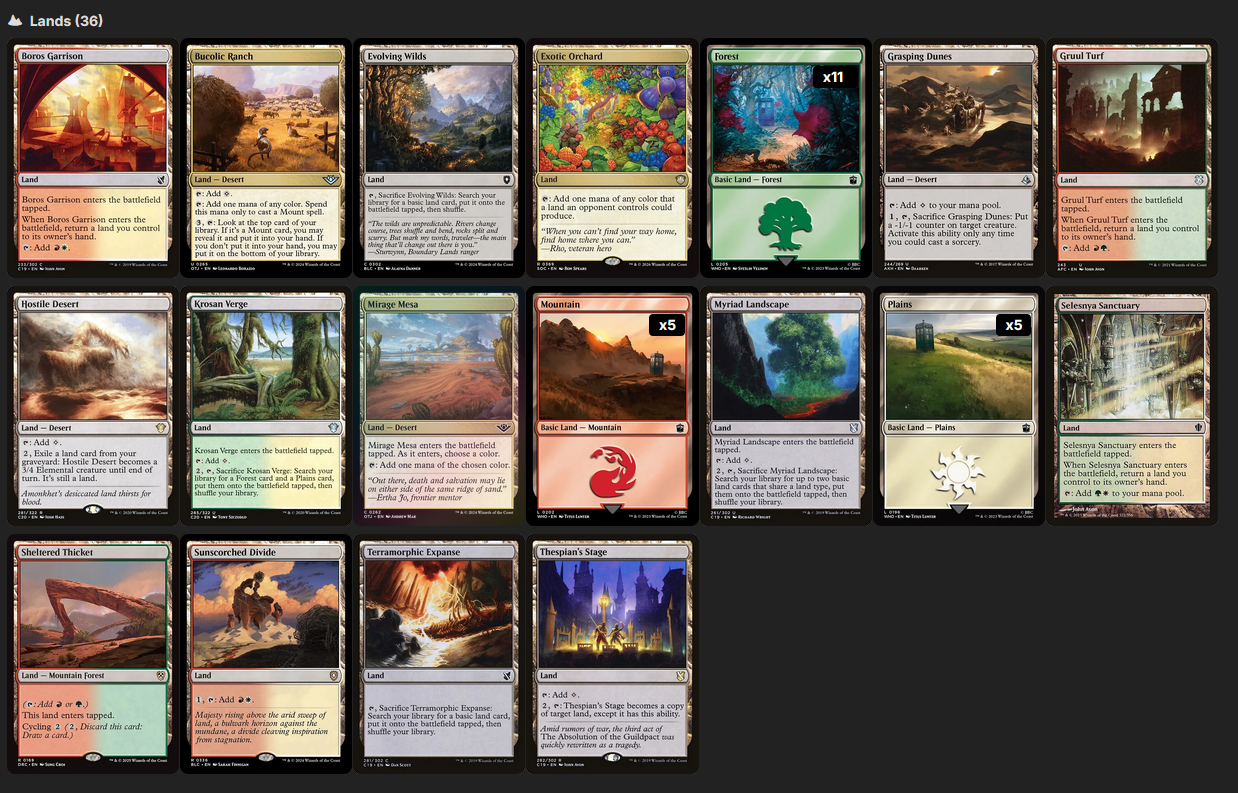 Image 7 of 7