

 Image 1 of 8
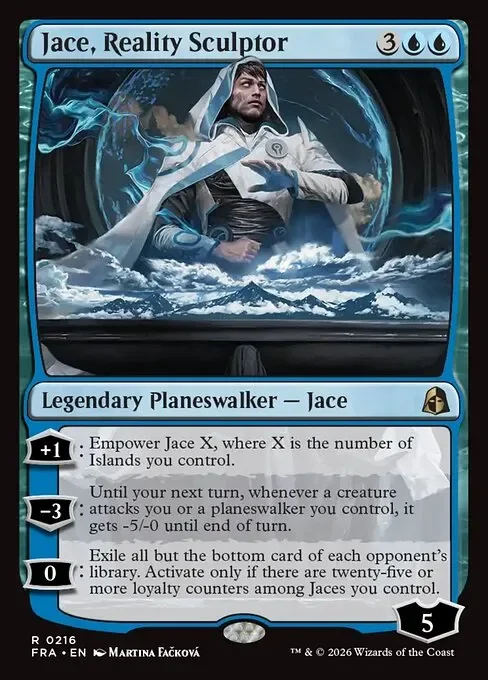 Image 2 of 8
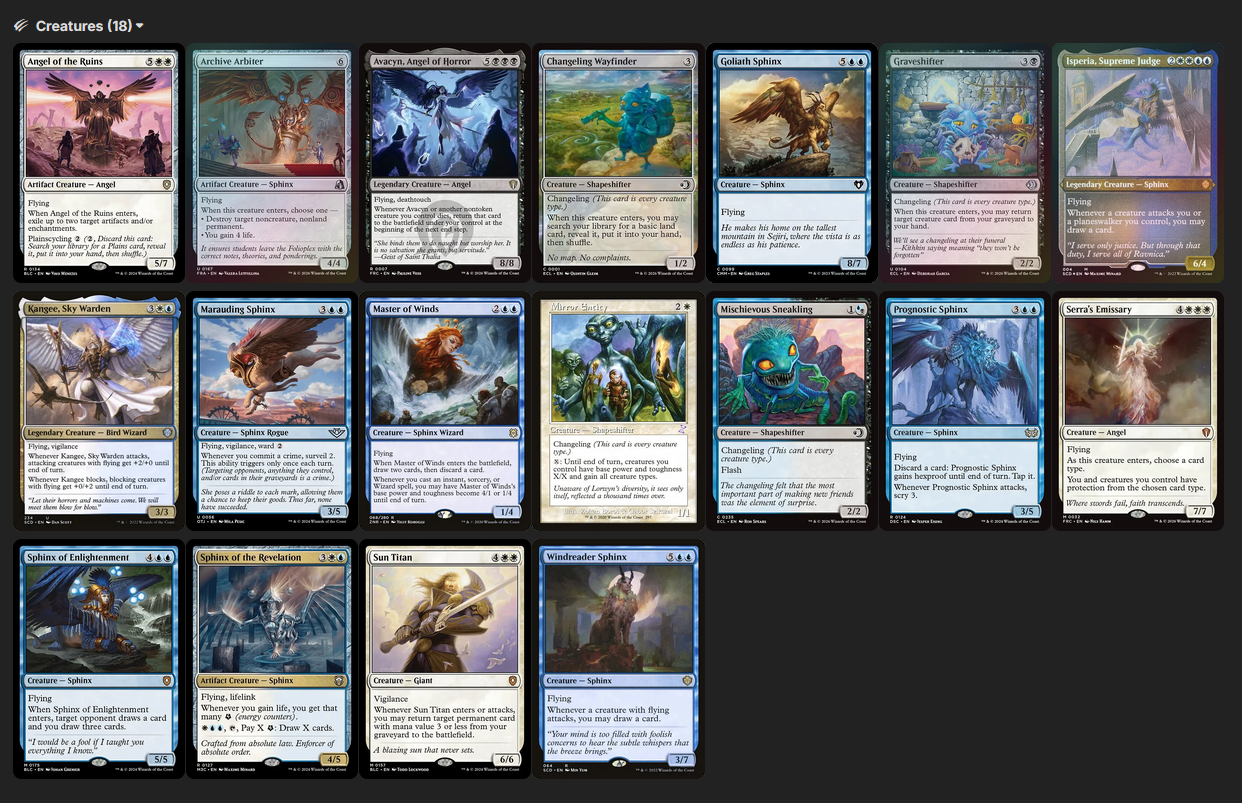 Image 3 of 8
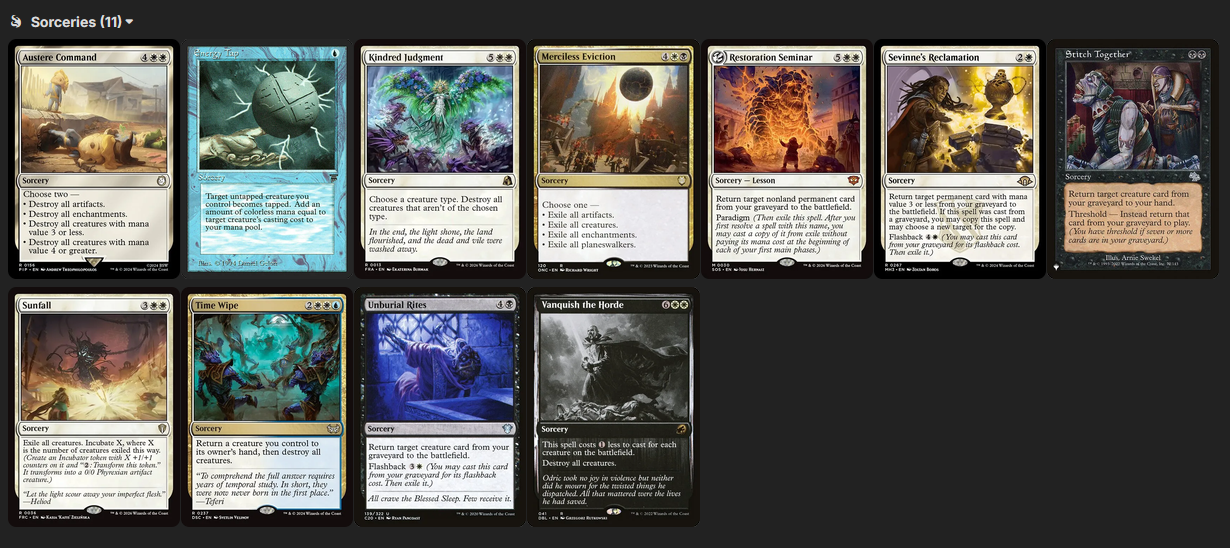 Image 4 of 8
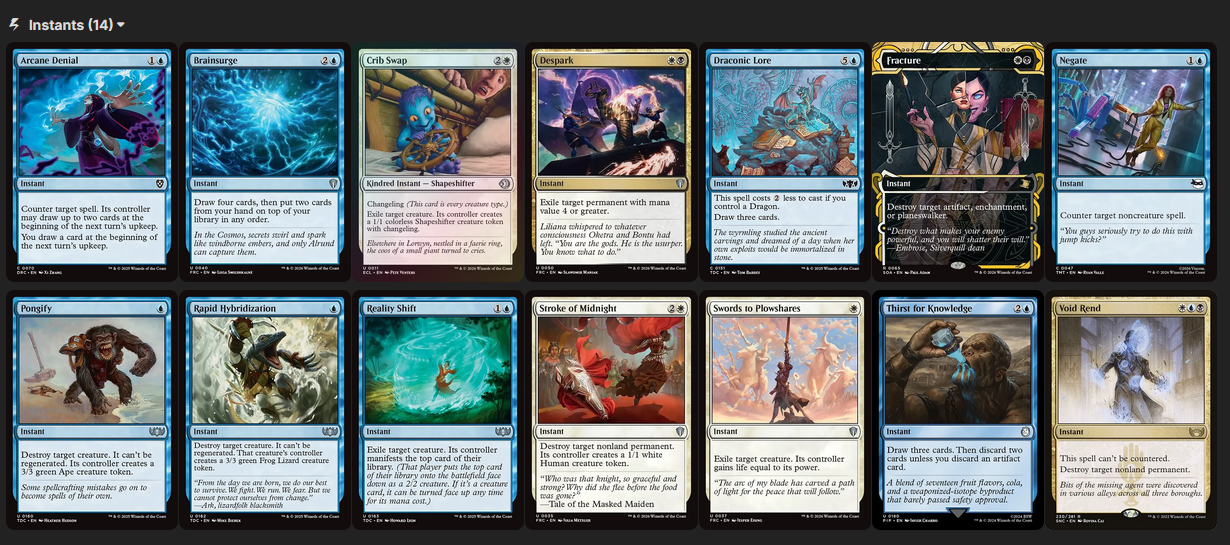 Image 5 of 8
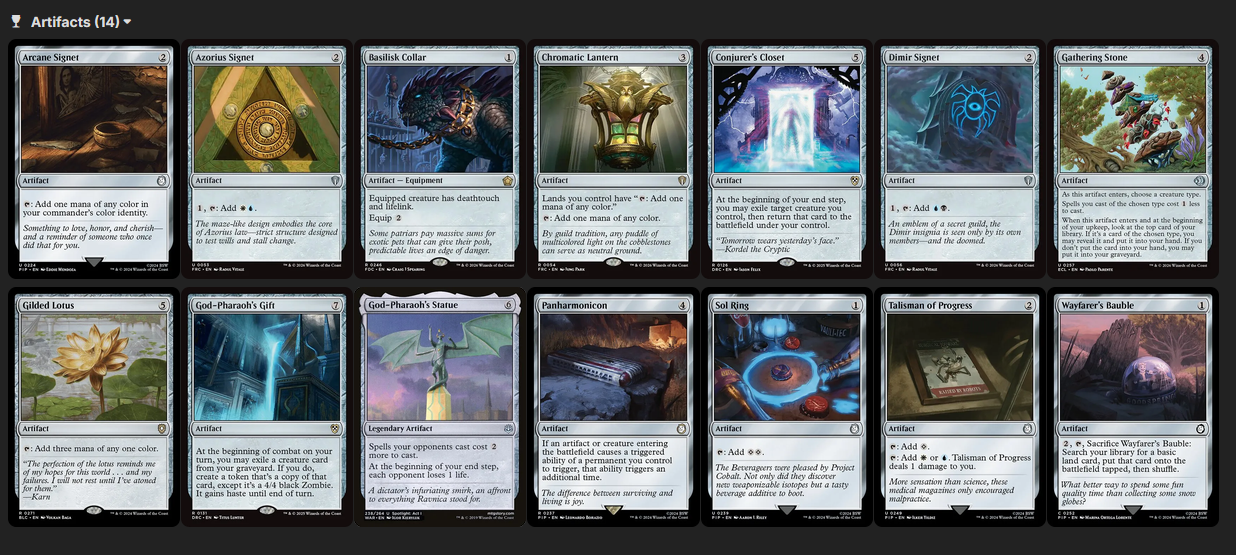 Image 6 of 8
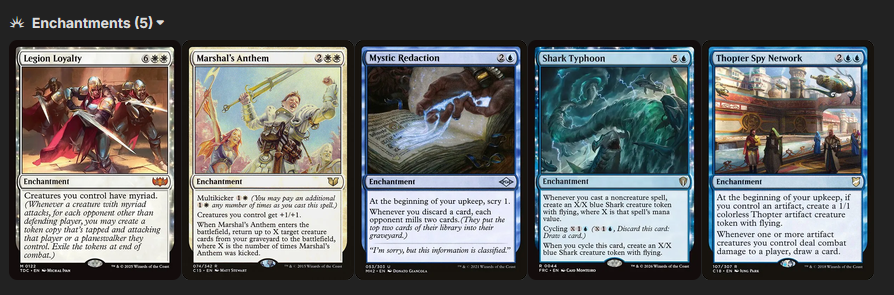 Image 7 of 8
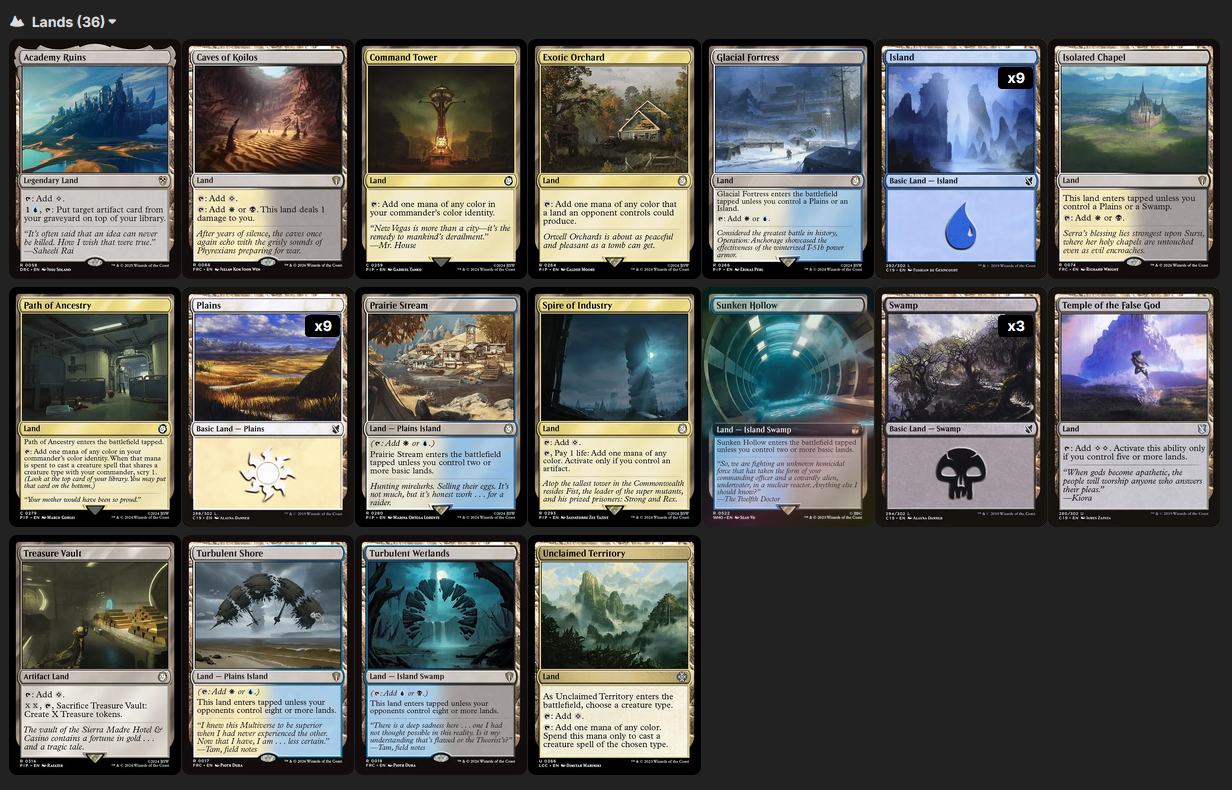 Image 8 of 8
The Ur-Sphinx – Esper Sphinx Tribal Mill & Control EDH Commander Deck MTG
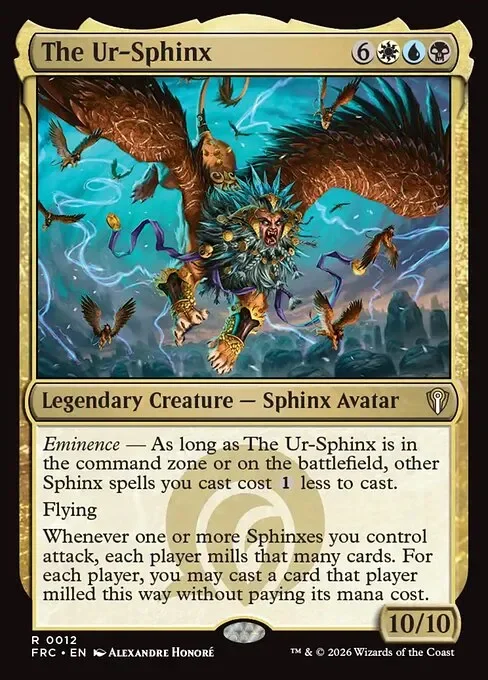
The Ur-Sphinx leads an Esper (White, Blue, Black) Commander deck built around Sphinx tribal synergy, strategic milling, and the ability to turn opponents' libraries into a source of additional spells. Combining evasive creatures, efficient removal, artifact acceleration, and graveyard recursion, this build establishes a controlled battlefield before converting repeated Sphinx attacks into substantial card advantage.
The deck emphasizes deliberate sequencing and sustained resource management. Its combination of tribal support, defensive interaction, and high-impact finishers creates a flexible control strategy capable of adapting to different multiplayer environments.
Deck Overview
The Ur-Sphinx functions as both a tribal cost reducer and a repeatable source of offensive card advantage. Its Eminence ability reduces the cost of other Sphinx spells while it remains in the command zone or on the battlefield, allowing the deck to develop its creature presence more efficiently.
Once deployed, The Ur-Sphinx rewards attacking with Sphinxes by milling each player according to the number of attacking Sphinxes. For each player, its controller may then cast a card that player milled this way without paying its mana cost. This transforms an established flying board into an engine for accessing additional spells, disrupting opposing resources, and generating value beyond the deck's own library.
Archive Arbiter, Marauding Sphinx, Prognostic Sphinx, Sphinx of Enlightenment, and Windreader Sphinx provide the tribal foundation, while changelings such as Mirror Entity and Mischievous Sneakling increase the number of creatures capable of benefiting from Sphinx-related effects.
The surrounding Esper control package supports this strategy through selective removal, board wipes, recursion, and artifact-based value engines.
Key Strategic Elements
Sphinx Tribal Synergy and Aerial Pressure
The deck establishes its primary battlefield presence through flying creatures that contribute both combat pressure and additional utility.
Windreader Sphinx converts attacks by flying creatures into card draw, while Sphinx of Enlightenment provides card advantage and interacts with opposing creatures through its enter-the-battlefield ability. Prognostic Sphinx supplies repeatable card selection through its attack trigger, improving the consistency of subsequent draws.
Isperia, Supreme Judge discourages opposing aggression by drawing cards when creatures attack its controller or their planeswalkers. Goliath Sphinx provides a substantial evasive threat, while Kangee, Sky Warden reinforces the deck's flying creatures during combat.
Changelings such as Changeling Wayfinder, Graveshifter, Mirror Entity, and Mischievous Sneakling broaden the tribal creature base without sacrificing utility. Mirror Entity is particularly effective at converting an established board into a coordinated offensive threat.
Together, these creatures establish the aerial presence necessary to activate The Ur-Sphinx's primary ability consistently.
Milling, Card Advantage, and Opponent Resource Utilization
The Ur-Sphinx introduces a distinctive approach to milling by treating opponents' libraries as potential extensions of the deck's available resources.
Each Sphinx attack can reveal additional opportunities to cast opposing spells without paying their mana costs. Multiple attacking Sphinxes increase the number of cards milled from each player, expanding the selection of spells that may be accessed.
Jace, Reality Sculptor complements this strategy as a secondary control-oriented threat. His loyalty abilities provide scalable loyalty development based on controlled Islands, defensive protection against attacking creatures, and a potentially decisive library-exiling effect when sufficient loyalty has been accumulated.
Brainsurge, Thirst for Knowledge, and Draconic Lore support card flow, while Mystic Redaction supplies additional card selection and incremental milling.
This combination allows the deck to generate advantage through both conventional card draw and the unconventional use of opponents' resources.
Board Control and Resilience
The deck employs a comprehensive Esper removal package designed to manage opposing threats while preserving the flexibility to rebuild.
Swords to Plowshares, Pongify, Rapid Hybridization, Reality Shift, Despark, and Void Rend provide targeted answers to creatures and other problematic permanents. Arcane Denial and Negate protect important turns and interrupt opposing strategies.
For broader battlefield management, Austere Command, Merciless Eviction, Sunfall, Vanquish the Horde, and Time Wipe offer several forms of mass removal. Their differing effects allow the deck to address creature-heavy boards, artifacts, enchantments, and other developed positions.
Kindred Judgment provides particularly relevant tribal interaction by allowing the deck to preserve a chosen creature type while removing competing creature types.
Serra's Emissary adds another defensive layer through protection from a selected card type, helping secure an established battlefield or create an opening for a decisive attack.
Artifact Acceleration, Recursion, and Utility
The Ur-Sphinx's substantial mana requirement makes acceleration and reliable color access important elements of the deck's construction.
Sol Ring, Arcane Signet, Azorius Signet, Dimir Signet, Talisman of Progress, Chromatic Lantern, and Gilded Lotus support mana development and the casting of expensive threats. Wayfarer's Bauble provides additional land-based acceleration.
Gathering Stone contributes creature-type-focused cost reduction and card selection, reinforcing the tribal structure alongside The Ur-Sphinx's Eminence ability.
The deck also incorporates several complementary value engines. Panharmonicon increases the effectiveness of triggered abilities from artifacts and creatures entering the battlefield, while Conjurer's Closet allows important enter-the-battlefield abilities to be reused over successive turns.
Sun Titan, Sevinne's Reclamation, Restoration Seminar, Stitch Together, Unburial Rites, and God-Pharaoh's Gift provide multiple avenues for recovering permanents or returning creatures to the battlefield.
These recursion effects help the deck recover from removal while extracting additional value from creatures that have already served their initial purpose.
Closing the Game
The deck is designed to transition from controlled board development into sustained aerial pressure and resource advantage.
With multiple Sphinxes established, each attack can simultaneously threaten combat damage, mill opposing libraries, and provide access to additional spells through The Ur-Sphinx. This creates increasing pressure on opponents to answer the commander or the supporting creature base.
Mirror Entity can turn smaller creatures into meaningful combat threats, while Kangee, Sky Warden supports coordinated attacks by flying creatures. Legion Loyalty introduces a separate high-impact combat option, allowing attacking creatures to generate additional copies through myriad and potentially multiply relevant attack and enter-the-battlefield effects.
Marshal's Anthem strengthens the creature base while providing a means of returning creatures from the graveyard. God-Pharaoh's Statue imposes additional costs on opposing spells, potentially limiting opponents' ability to respond as the deck establishes its finishing position.
The result is a control-oriented tribal strategy with several routes to victory: evasive combat damage, accumulated value from opposing libraries, and overwhelming battlefield development.
Build Philosophy
This deck is constructed around the interaction between The Ur-Sphinx's tribal cost reduction and its ability to generate spells through combat-triggered milling.
The creature selection emphasizes flying threats with relevant secondary abilities rather than relying exclusively on creature size. Changelings expand the tribal base, while targeted interaction and flexible sweepers provide the control necessary to support a higher-mana creature strategy.
Artifact acceleration, color fixing, and recursion are distributed throughout the list to support reliable sequencing and recovery. The Esper mana base incorporates multicolor lands, utility lands, and basic lands to accommodate the deck's varied casting requirements.
Each major component contributes to a cohesive play pattern: develop mana, establish flying threats, control opposing permanents, and convert Sphinx attacks into a sustained advantage.
Technical Details
100-card singleton Commander deck, legal for EDH
All cards in Near Mint to Lightly Played condition
Professionally sleeved and ready to play
Built for consistent performance and strategic depth
Ideal For Players Who:
Enjoy Esper control strategies built around Sphinx tribal synergy, milling, and unconventional card advantage.
Prefer interactive Commander decks that combine evasive combat threats with removal, recursion, and resource management.
Appreciate cohesive, professionally constructed decks with multiple avenues for establishing and maintaining battlefield control.