This Teval, the Balanced Scale Commander deck is a refined Sultai build centered on graveyard recursion, land recovery, and sustained value generation. Teval anchors the strategy by converting attacks into land recursion while rewarding cards leaving the graveyard with material advantage, allowing the deck to scale methodically and maintain pressure across extended games.
The deck is constructed as a layered engine where self-mill, recursion, and land-based development work together to produce consistent, repeatable advantage.
Deck Overview
This build functions as a graveyard value engine with integrated land recursion and reanimation elements. Early setup from Stitcher’s Supplier, Hedron Crab, Cephalid Coliseum, Buried Alive, and Diviner of Mist establishes a reliable graveyard. Recursion pieces such as Meren of Clan Nel Toth, Eternal Witness, Timeless Witness, Phyrexian Reclamation, and Animate Dead ensure continued access to key cards.
Land recovery through Teval, Life from the Loam, Afterlife from the Loam, Conduit of Worlds, and Lumra, Bellow of the Woods allows the deck to treat lands as a reusable resource, supporting consistent development and long-term stability.
Graveyard Engine and Value Conversion
The deck is built around controlled movement of cards through the graveyard. Teval generates Zombie Druids, while Kheru Goldkeeper converts that same movement into Treasure tokens and Kishla Skimmer provides steady card advantage. River Kelpie further reinforces this engine, rewarding recursion across multiple lines of play.
Delve and recursion effects such as Treasure Cruise, Victimize, Reanimate, Dread Return, and Living Death convert accumulated resources into meaningful board presence, allowing the deck to shift from incremental value into decisive turns.
Land Recursion and Scaling Pressure
Land recursion supports scalable threats that convert incremental advantage into pressure. Avenger of Zendikar, Scute Swarm, Ob Nixilis, the Fallen, and Multani, Yavimaya’s Avatar reward repeated land entry, while Aesi, Tyrant of Gyre Strait, Tatyova, Benthic Druid, and Tireless Provisioner provide additional cards and mana.
This structure allows the deck to develop steadily, with each land contributing to both resource growth and board impact.
Interaction and Resilience
A balanced suite of interaction maintains control while protecting the core engine. Abrupt Decay, Beast Within, Culling Ritual, Deadly Rollick, and Tear Asunder provide flexible removal, while Counterspell, Swan Song, and Fierce Guardianship ensure key turns resolve cleanly. Bojuka Bog offers targeted graveyard interaction without disrupting the deck’s own strategy.
Recursion elements allow the deck to recover efficiently from disruption, maintaining continuity through longer games.
Closing the Game
The deck closes through cumulative advantage and scalable board states. Token generation, recurring threats, and landfall pressure gradually overwhelm opposing boards, while Zulaport Cutthroat converts creature turnover into life drain. Larger recursion turns and mass reanimation effects enable decisive shifts without relying on fragile combos.
Build Philosophy
This deck is designed for cohesion, consistency, and strategic depth. Each inclusion reinforces the graveyard and land recursion engine, with layered redundancy ensuring reliable performance. The mana base supports smooth Sultai sequencing, and interaction is selected for flexibility within the broader system.
Technical Details
100-card singleton Commander deck, legal for EDH
All cards in Near Mint to Lightly Played condition
Professionally sleeved and ready to play
Built for consistent performance and strategic depth
Ideal For Players Who:
Enjoy graveyard-focused Commander decks with structured recursion
Prefer land-based scaling and incremental board development
Appreciate cohesive, professionally constructed builds
This Teval, the Balanced Scale Commander deck is a refined Sultai build centered on graveyard recursion, land recovery, and sustained value generation. Teval anchors the strategy by converting attacks into land recursion while rewarding cards leaving the graveyard with material advantage, allowing the deck to scale methodically and maintain pressure across extended games.
The deck is constructed as a layered engine where self-mill, recursion, and land-based development work together to produce consistent, repeatable advantage.
Deck Overview
This build functions as a graveyard value engine with integrated land recursion and reanimation elements. Early setup from Stitcher’s Supplier, Hedron Crab, Cephalid Coliseum, Buried Alive, and Diviner of Mist establishes a reliable graveyard. Recursion pieces such as Meren of Clan Nel Toth, Eternal Witness, Timeless Witness, Phyrexian Reclamation, and Animate Dead ensure continued access to key cards.
Land recovery through Teval, Life from the Loam, Afterlife from the Loam, Conduit of Worlds, and Lumra, Bellow of the Woods allows the deck to treat lands as a reusable resource, supporting consistent development and long-term stability.
Graveyard Engine and Value Conversion
The deck is built around controlled movement of cards through the graveyard. Teval generates Zombie Druids, while Kheru Goldkeeper converts that same movement into Treasure tokens and Kishla Skimmer provides steady card advantage. River Kelpie further reinforces this engine, rewarding recursion across multiple lines of play.
Delve and recursion effects such as Treasure Cruise, Victimize, Reanimate, Dread Return, and Living Death convert accumulated resources into meaningful board presence, allowing the deck to shift from incremental value into decisive turns.
Land Recursion and Scaling Pressure
Land recursion supports scalable threats that convert incremental advantage into pressure. Avenger of Zendikar, Scute Swarm, Ob Nixilis, the Fallen, and Multani, Yavimaya’s Avatar reward repeated land entry, while Aesi, Tyrant of Gyre Strait, Tatyova, Benthic Druid, and Tireless Provisioner provide additional cards and mana.
This structure allows the deck to develop steadily, with each land contributing to both resource growth and board impact.
Interaction and Resilience
A balanced suite of interaction maintains control while protecting the core engine. Abrupt Decay, Beast Within, Culling Ritual, Deadly Rollick, and Tear Asunder provide flexible removal, while Counterspell, Swan Song, and Fierce Guardianship ensure key turns resolve cleanly. Bojuka Bog offers targeted graveyard interaction without disrupting the deck’s own strategy.
Recursion elements allow the deck to recover efficiently from disruption, maintaining continuity through longer games.
Closing the Game
The deck closes through cumulative advantage and scalable board states. Token generation, recurring threats, and landfall pressure gradually overwhelm opposing boards, while Zulaport Cutthroat converts creature turnover into life drain. Larger recursion turns and mass reanimation effects enable decisive shifts without relying on fragile combos.
Build Philosophy
This deck is designed for cohesion, consistency, and strategic depth. Each inclusion reinforces the graveyard and land recursion engine, with layered redundancy ensuring reliable performance. The mana base supports smooth Sultai sequencing, and interaction is selected for flexibility within the broader system.
Technical Details
100-card singleton Commander deck, legal for EDH
All cards in Near Mint to Lightly Played condition
Professionally sleeved and ready to play
Built for consistent performance and strategic depth
Ideal For Players Who:
Enjoy graveyard-focused Commander decks with structured recursion
Prefer land-based scaling and incremental board development
Appreciate cohesive, professionally constructed builds


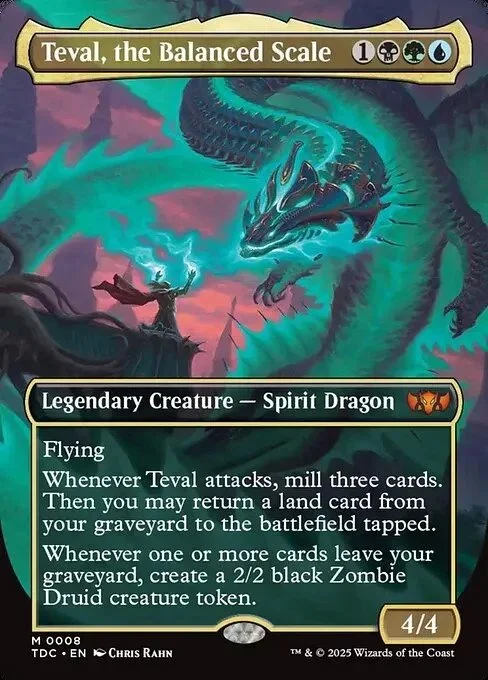 Image 1 of 8
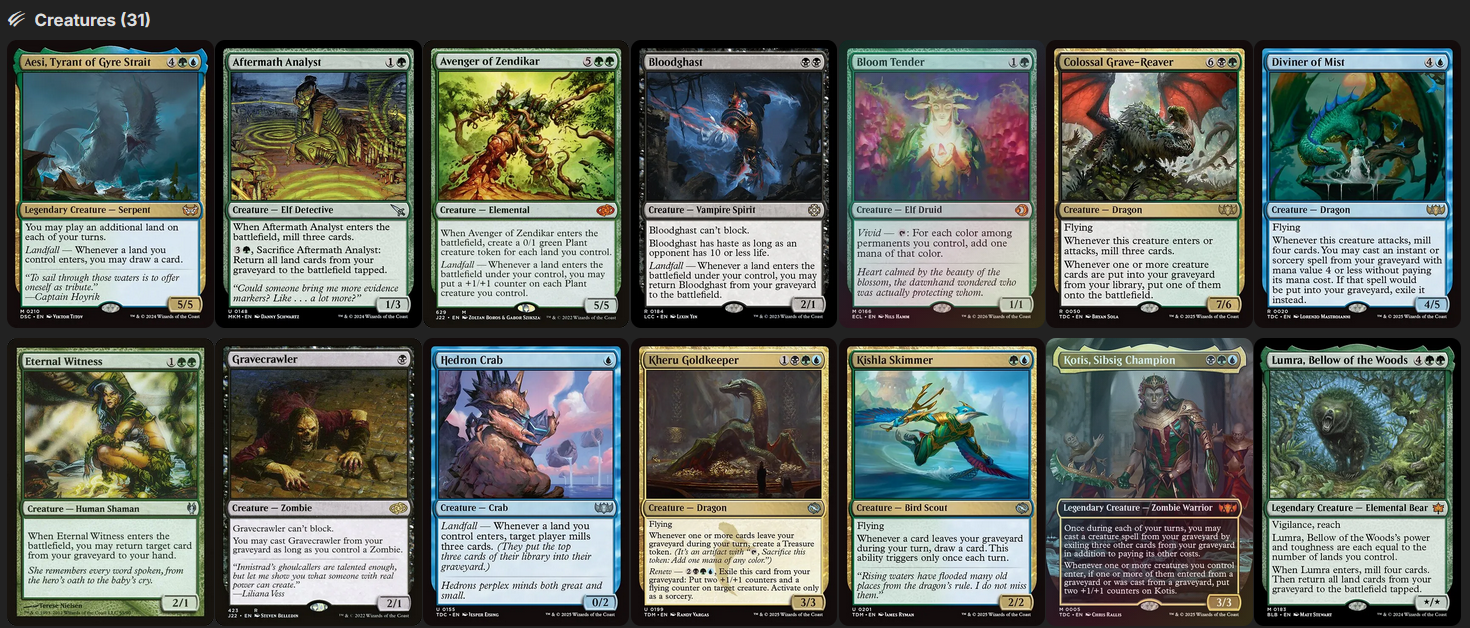 Image 2 of 8
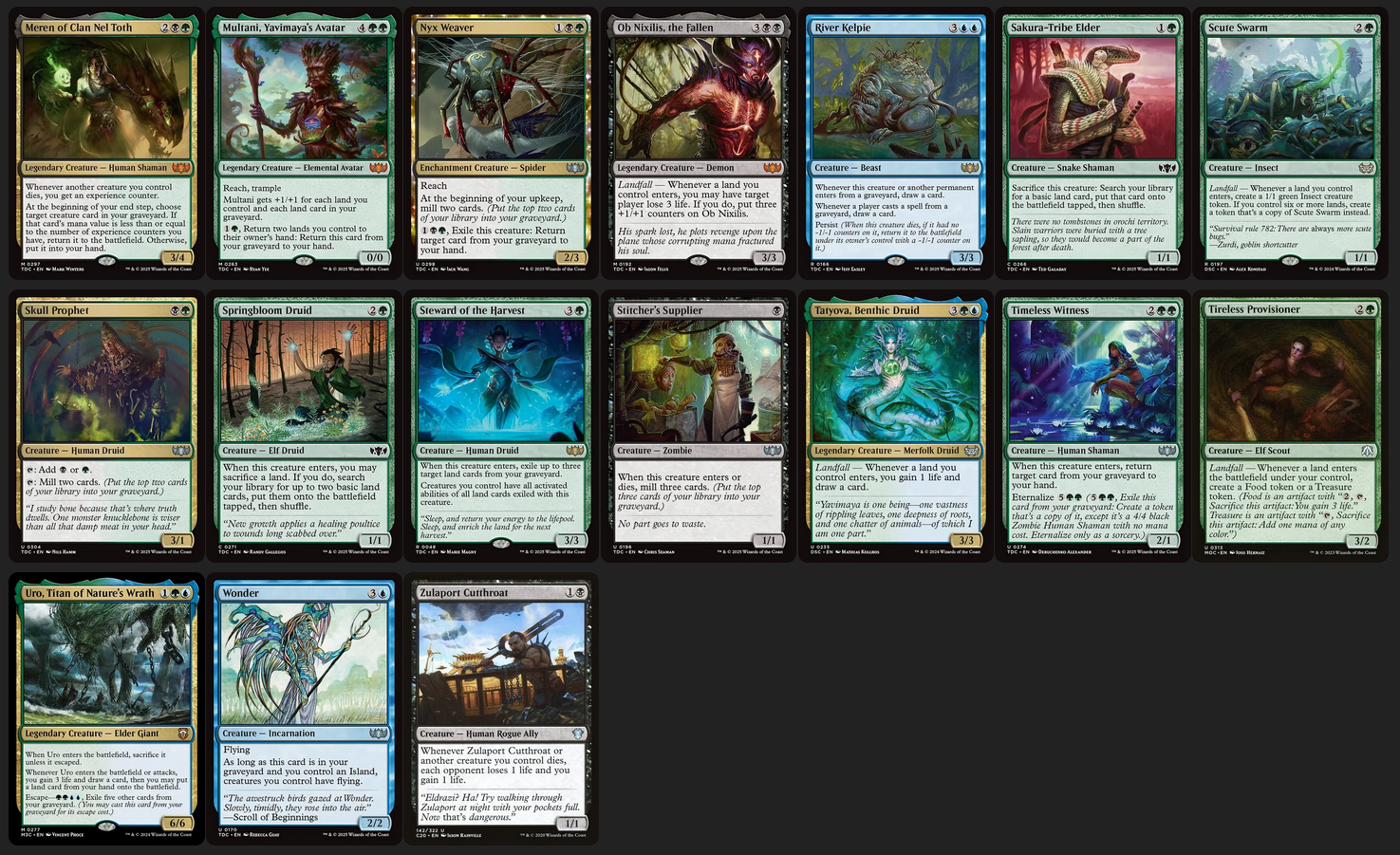 Image 3 of 8
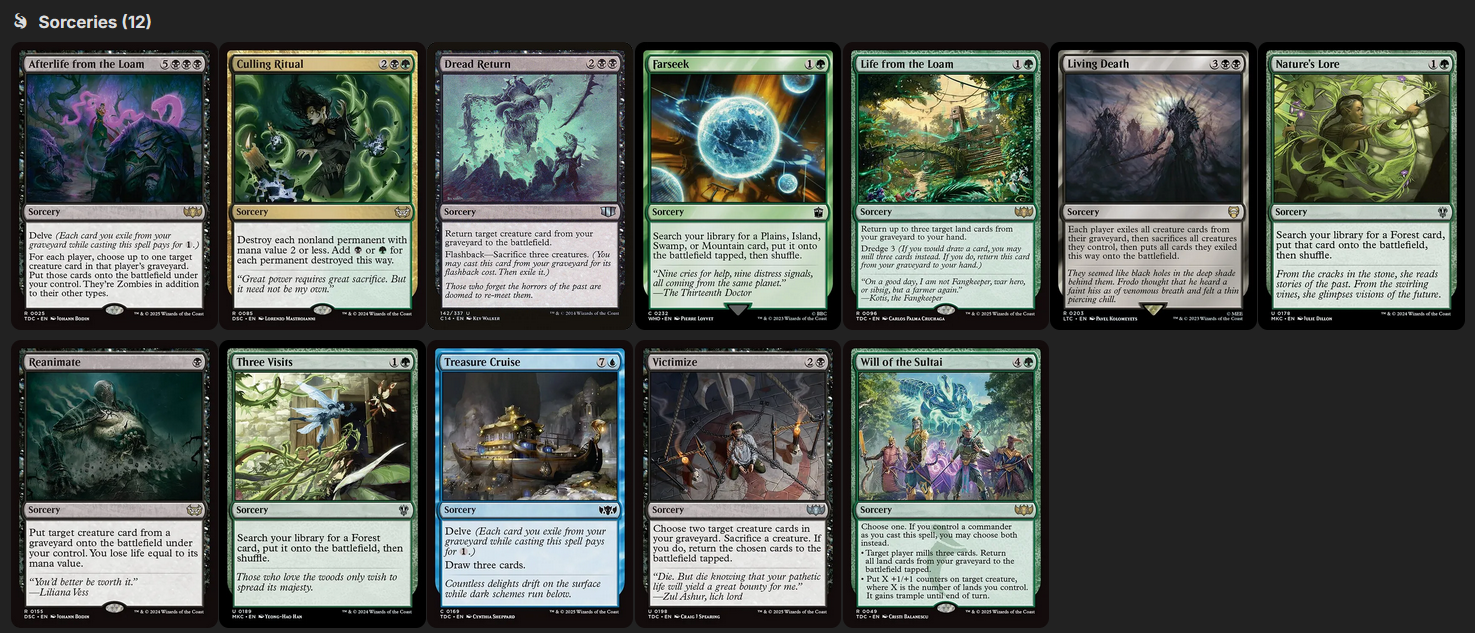 Image 4 of 8
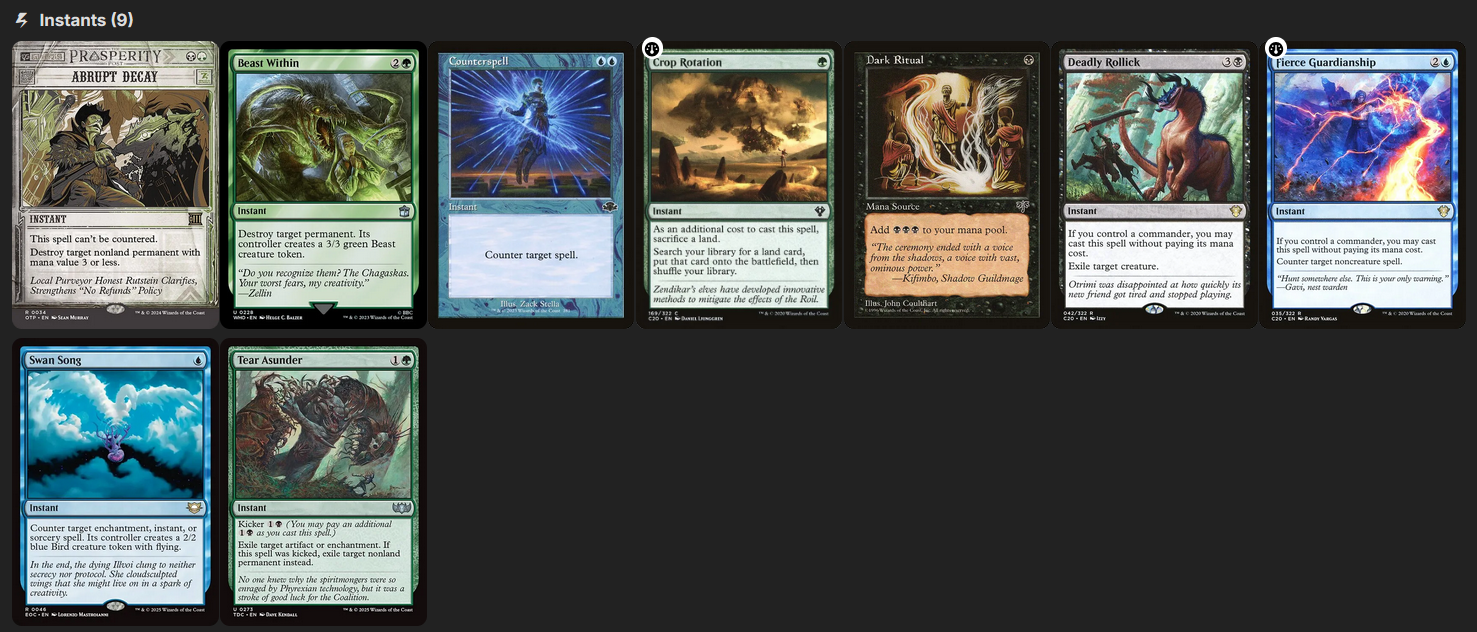 Image 5 of 8
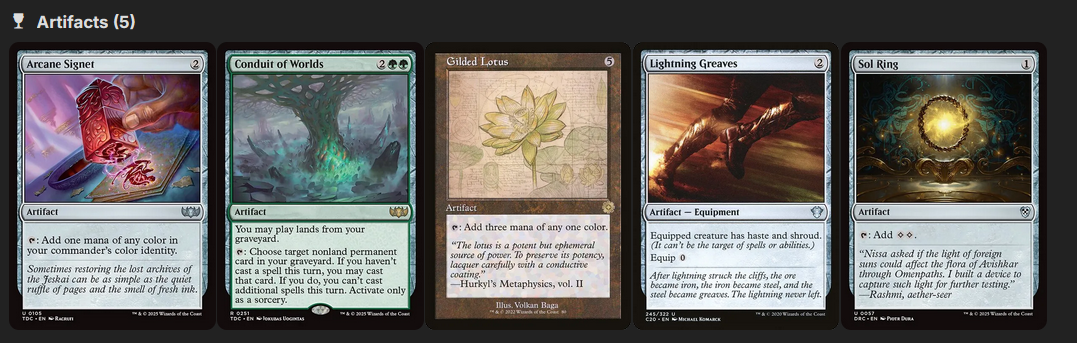 Image 6 of 8
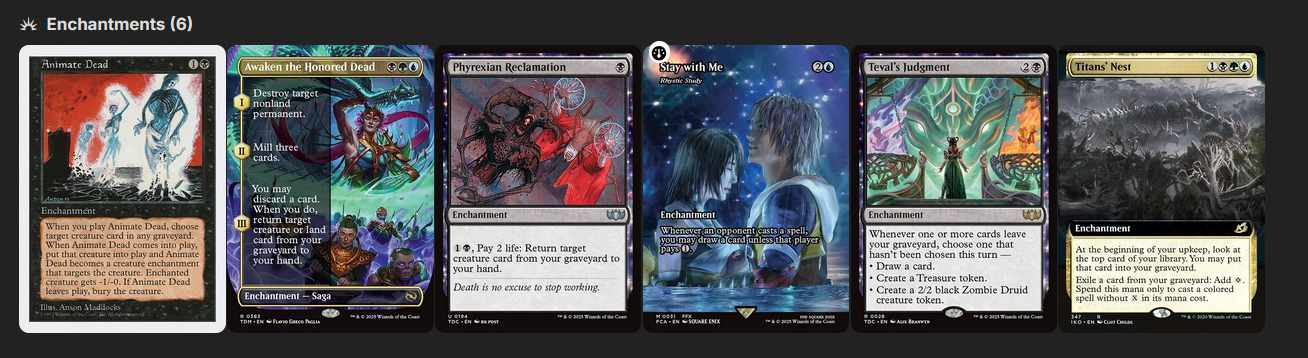 Image 7 of 8
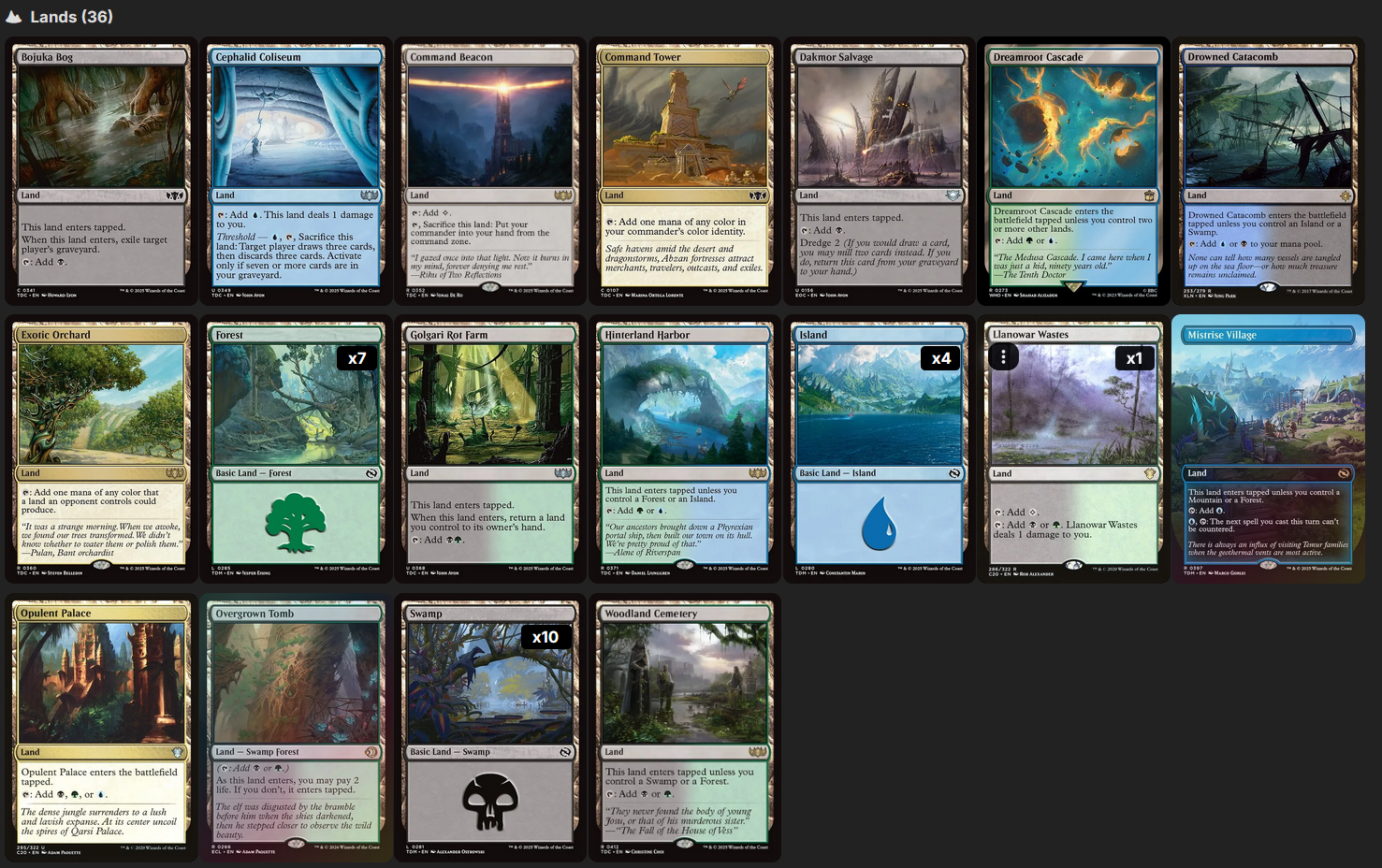 Image 8 of 8